


 CENTER FOR ART AND ARCHAEOLOGY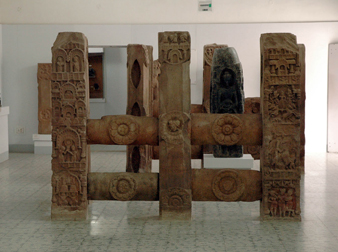
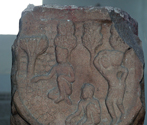
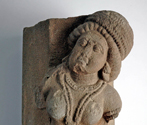
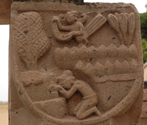
The museum was established in 1956 by the ASI and preserved sculptures from Bodhgaya and from nearby villages. Within the walls of the museum compound, the Bodhgaya stone railing has been reconstructed. The museum also consists of a large collection of Pala period sculptures (9th-12th centuries) carved in black stone.
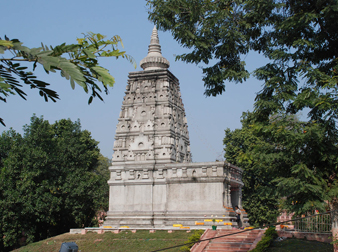
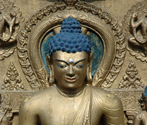
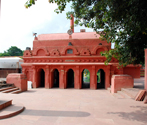
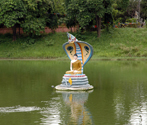
The Mahabodhi temple marks the site of Buddha’s enlightenment. The temple’s structure was rebuilt in several phases. The Kushan or Gupta period temple was the foundational structure and the most significant construction phase was during the Pala period. In early fourteenth century, the Burmese mission to Bodhgaya carried out repairs but the present structure is largely a product of the late 19th century. This collection covers the seven monuments that are said to be associated with Buddha’s first seven weeks after his enlightenment-The Bodhi Tree, Animeshalochana Chaitya, Ratanachankrama, Ratangraha Chiatya, Ajapala Nigrodha Tree, Muchilinda Lake and Rajayatana tree.
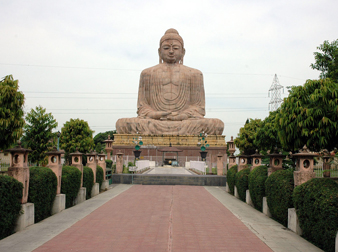
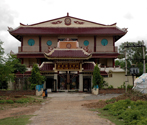
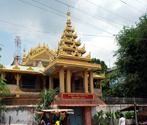
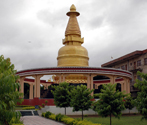
Inscriptions and travel accounts show that pilgrims from beyond India have been visiting Bodhgaya since long. Today Bodhgaya is home to over sixty monasteries. This collection includes documentation of monasteries from Thailand, Tibet, Japan and Myanmar. Interestingly, Prof. Asher also photographed souvenirs associated with Mahabodhi temple that are profusely sold around the temple complex and are often taken home by devotees to continue to enjoy the benefits of their visit and share them with those unable to make the journey.