


 CENTER FOR ART AND ARCHAEOLOGY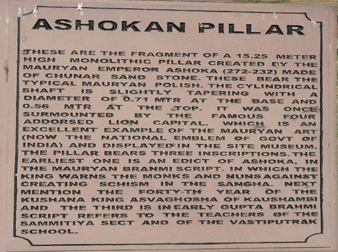
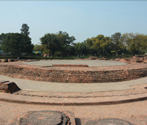
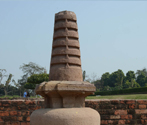
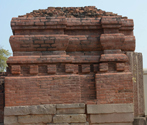
The site of Sarnath is identified as the place where Gautama Buddha delivered his first sermon. The excavated site has foundations of monastic dwellings, temples, and stupas. The collection covers structures within the excavated site. Excavations at Sarnath reveal that the oldest levels date to the Marurya period to the reign of Ashoka. The site contains the famous lion-capital memorial pillar from 3rd century BCE along with stupas from Gupta and Pala periods.
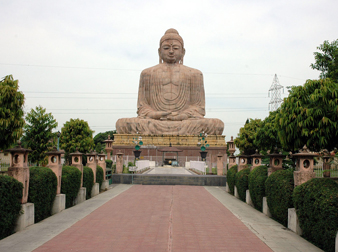
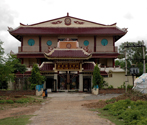
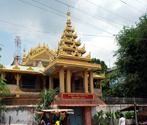
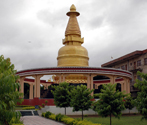
Inscriptions and travel accounts show that pilgrims from beyond India have been visiting Bodhgaya since long. Today Bodhgaya is home to over sixty monasteries. This collection includes documentation of monasteries from Thailand, Tibet, Japan and Myanmar. Interestingly, Prof. Asher also photographed souvenirs associated with Mahabodhi temple that are profusely sold around the temple complex and are often taken home by devotees to continue to enjoy the benefits of their visit and share them with those unable to make the journey.
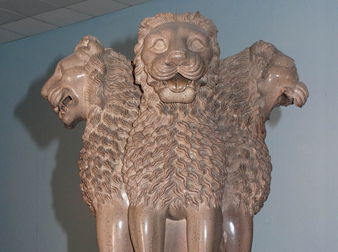
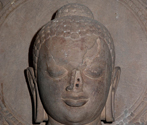
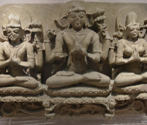
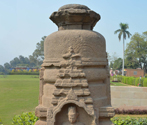
Along with the antiquities from Sarnath, Prof. Asher has also captured moments of interaction between visitors and religious objects placed in the museum showing the significance of religious objects as a cultural reflection.
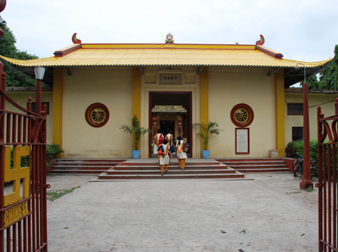
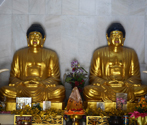
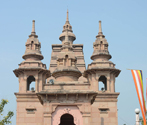
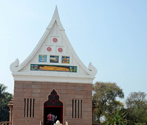
Sarnath attracted Buddhists from Burma all the way east to Japan who, over the twentieth century, established national monasteries on the periphery of the excavated site and developed educational institutions there. This collection of Prof. Asher includes Chinese, Vietnamese, Thai monasteries, Mulagandhakuti Vihara, Sarnath Railway station, Naya Tal and Sarangnatha Mahadev Temple-presumably the origin for the name ‘Sarnath’.