Galleries

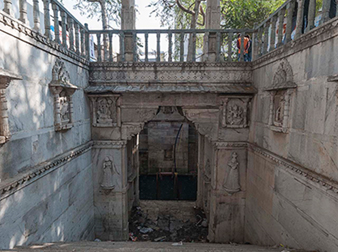
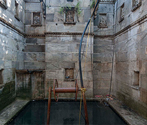
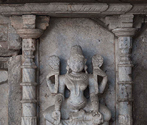
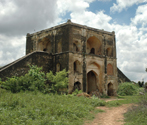
Toran Bawdi, Ahar, Rajasthan

The well is named after the carved archway (toran). The brackets are decorated with birds and flower motifs and kirtimukha. Two registers of niches line the interior of the well. Most of the carved deities survive intact. A pair of niches house the deities Shiva and Ganesha that are encased in foil.


Lautman, Victoria, The Vanishing Stepwells of India, 2017, 180-181.
Collection type:

Galleries

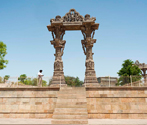
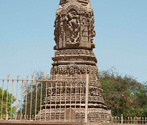
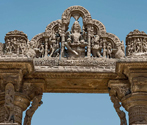
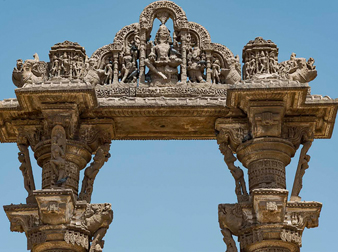
Torana, Vadnagar, Gujarat

Kiri Torana is one of the two toranas that is upright now; the fragments of the other one lie in the vicinity. The two toranas were identical in size and style and may have belonged to a very large temple complex at one point. The corbelled projections uphold maiden. There is an image of Shiva at the center of the pediment.

 
Dhar, Parul P. The Torana in Indian and Southeast Asian Architecture, 164, 166
Collection type:

Galleries

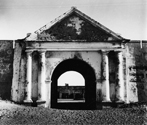
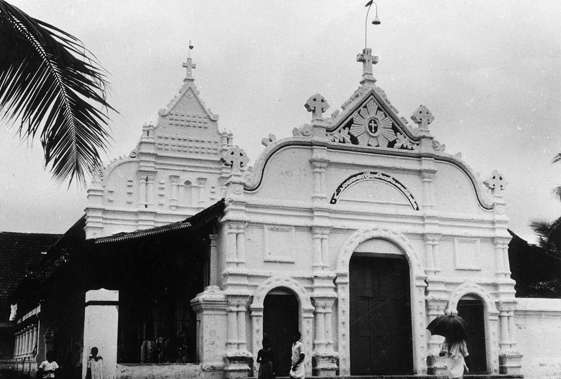
Tranguebar, Baroque Architecture, T...

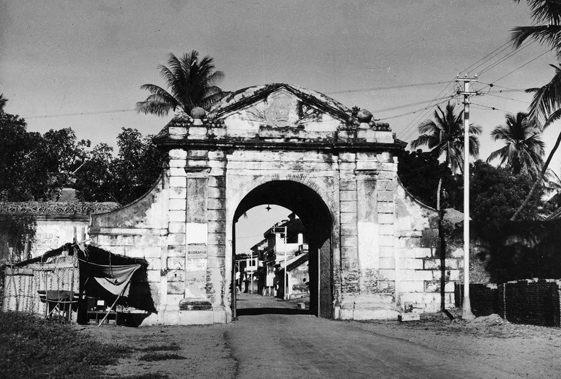
Tranguebar, Baroque Architecture, Tamil Nadu

Collection type:

Galleries

Trichur, Baroque Architecture, Kera...

Trichur, Baroque Architecture, Kerala

Collection type:

Galleries

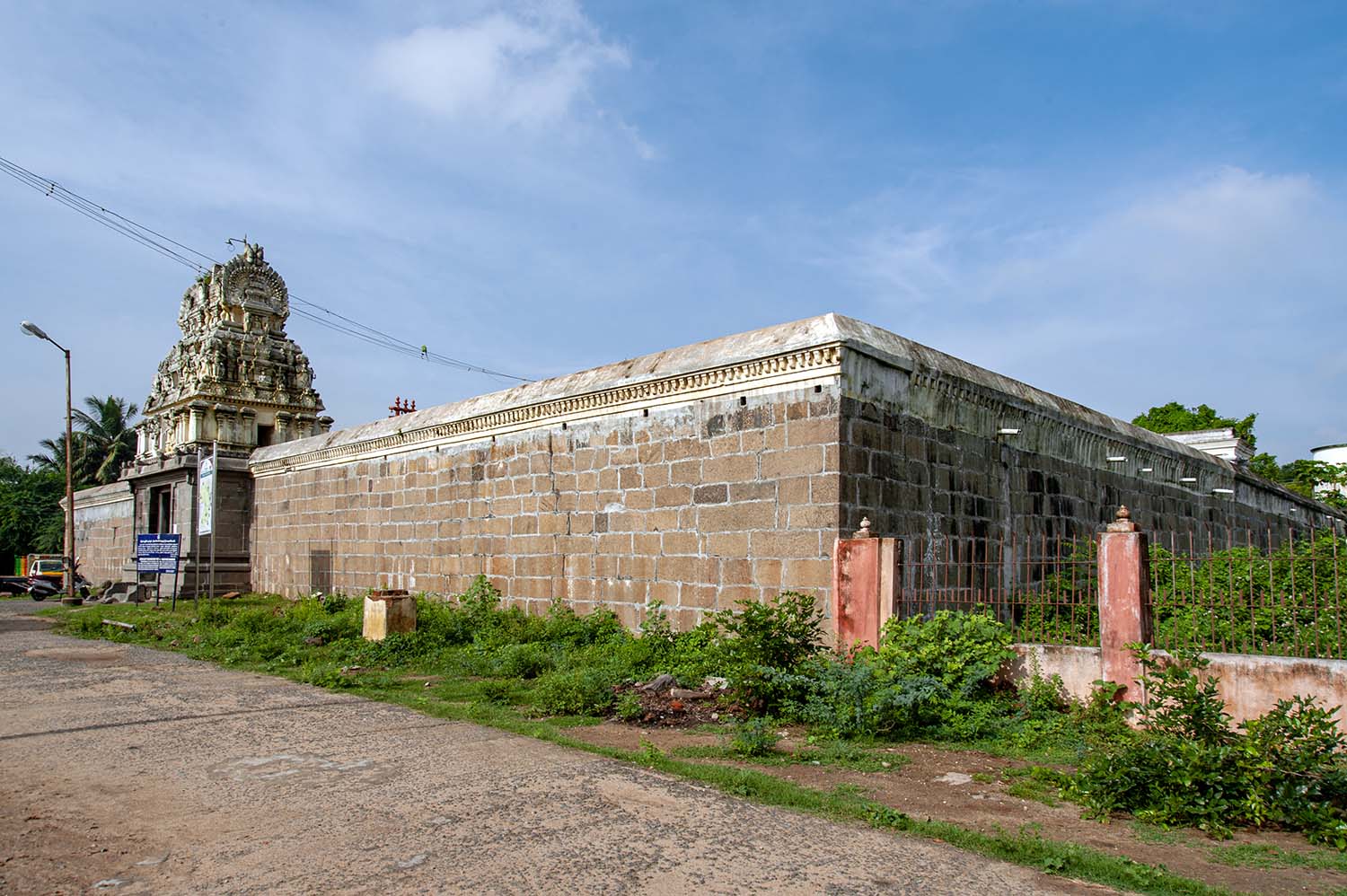
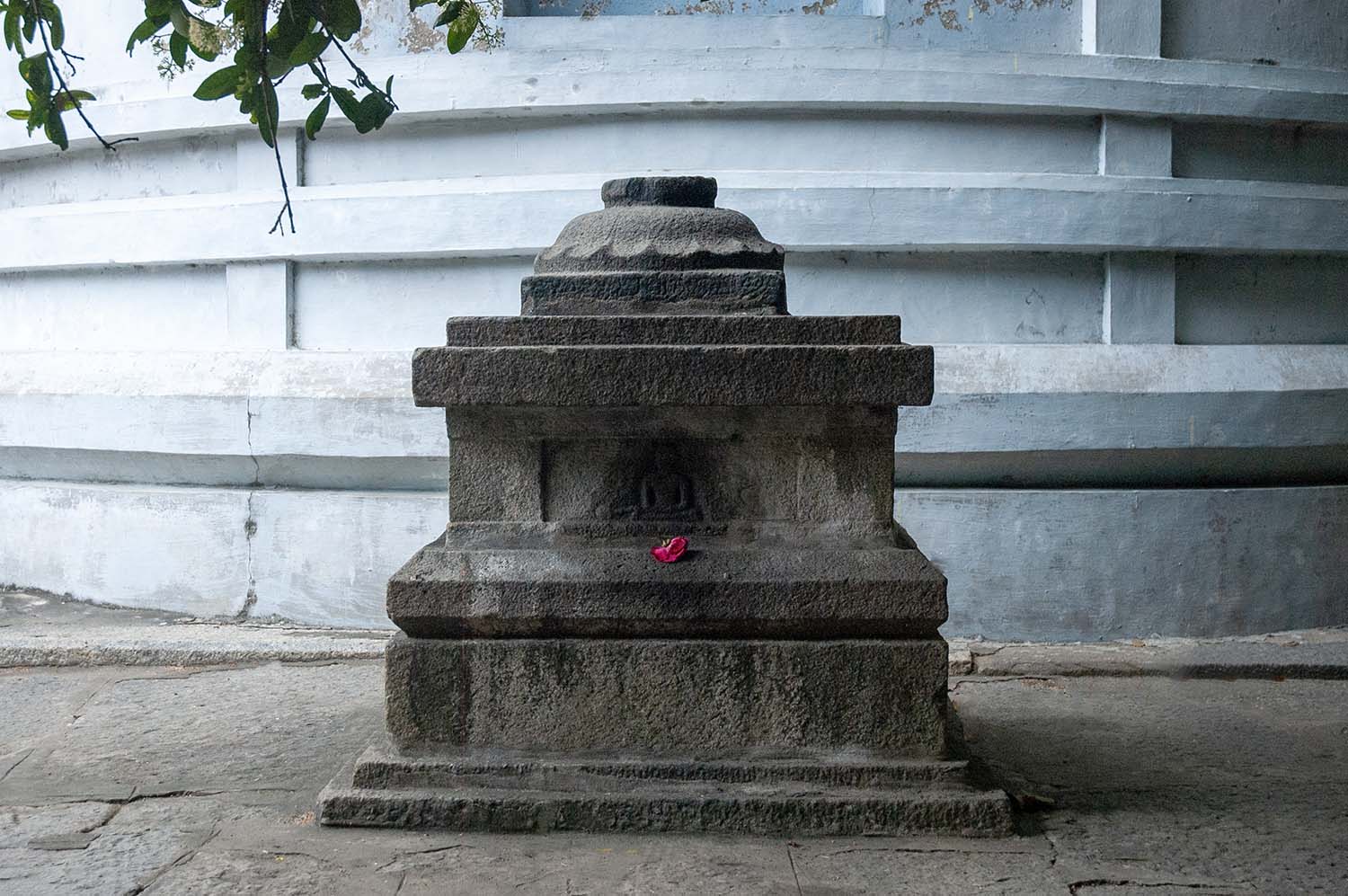
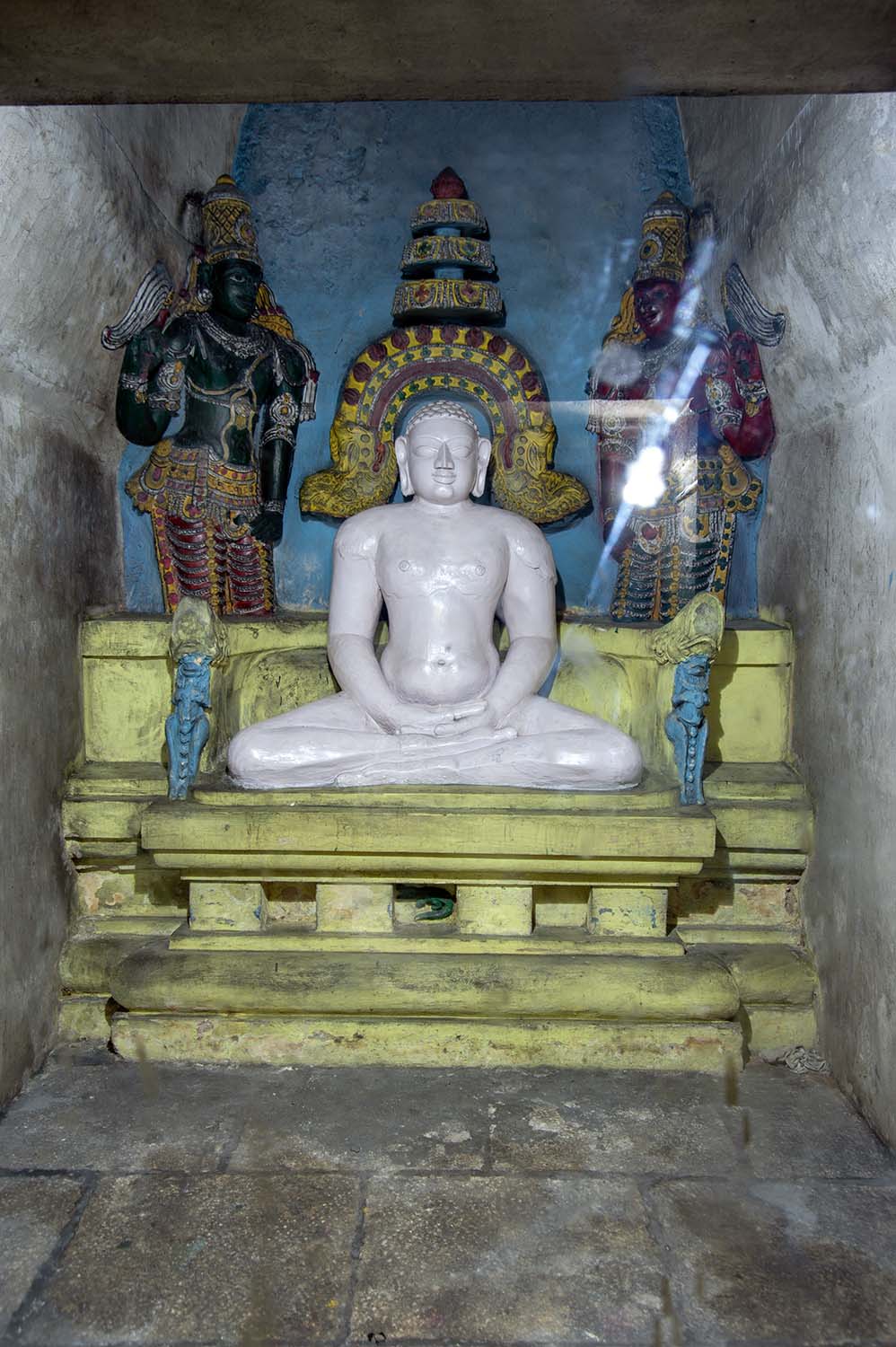
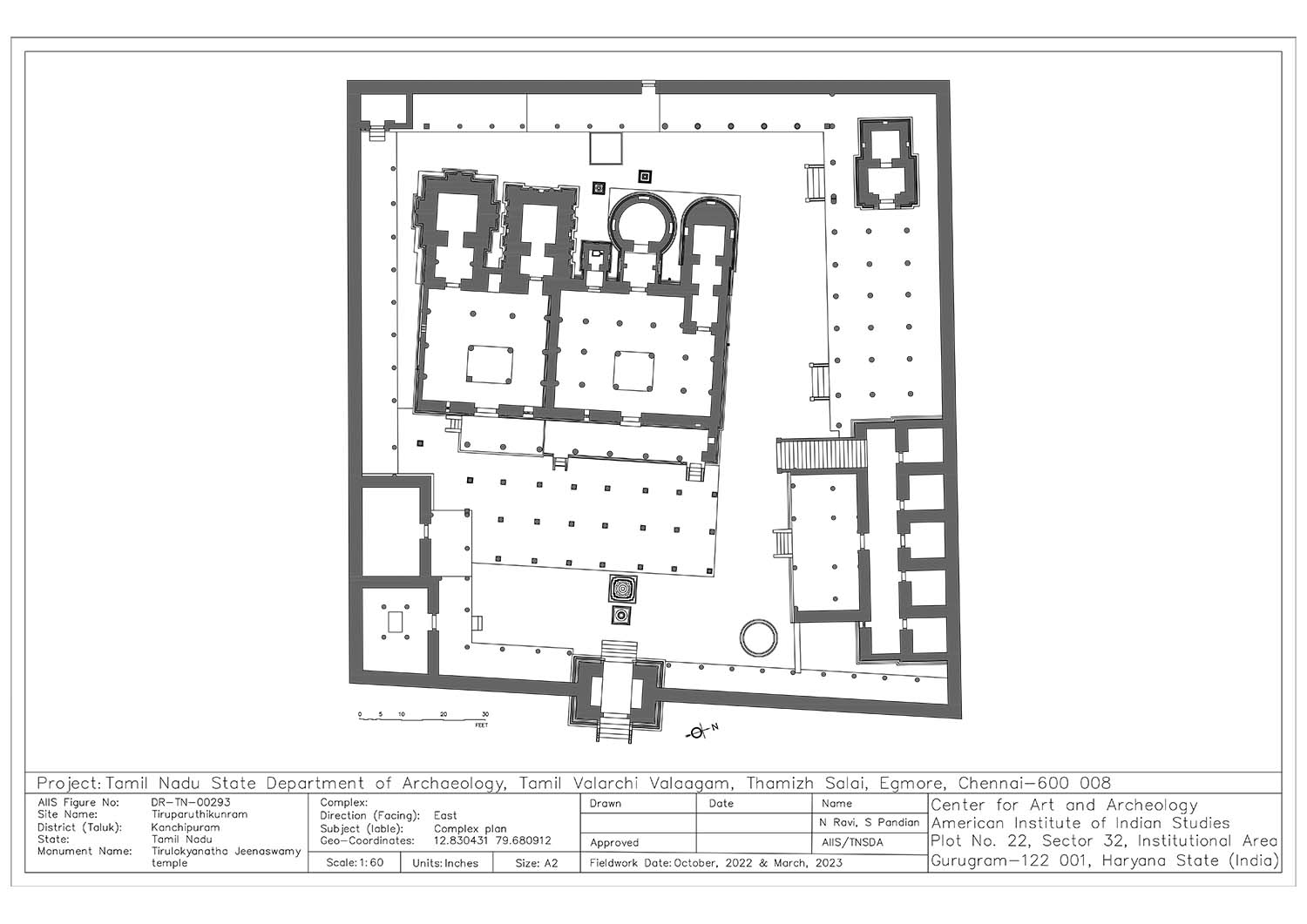
Trilokyanatha Jeenaswamy Temple, Ti...

Trilokyanatha Jeenaswamy Temple, Tiruparuthikundram, Kanchipuram, Tamil Nadu

Collection type:

Galleries

Tripolia darwaza, Narnaul

It was Shah Quli Khan’s first project as the Governor of Narnaul. He built a beautiful garden in the south-east of present Narnaul town in 1575 A.D. Unfortunately today only the enclosure walls an old well, an arched gateway known as “Tripolia Darwaza” leading to the Bagh from west side of the walled enclosure and his own beautiful tomb, are existent. Shah Quil Khan also constructed a beautiful mausoleum for him in 1574-75 AD which was built about 25 years before his own death. During the decline of the Mughals the Bagh, the subsequently built Jal Mahal and other monuments built during the Mughal reign were completely neglected. This garden became a dry patch of land. As the Bagh virtually did not exist anymore, the District Administration, with a view to utilise the land for profitable purposes, parcelled the open land into smaller plots and leased out a plot each to the local farmers. In 2007 the administration cancelled the agricultural licenses and initiated restoration processes.

Collection type: