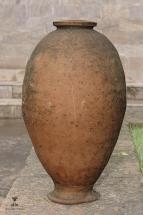
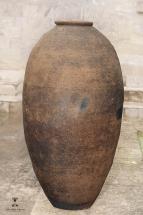
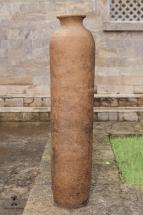
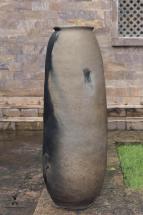
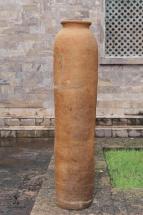
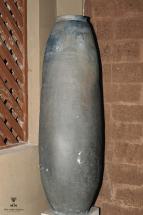
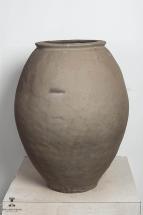
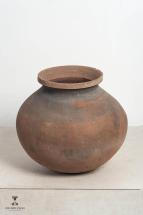
Subject: Ghuma (Grain Container). Large terracotta tumblers or vessels such as these are used for storing food grains by the villagers and are colloquially known as ghuma.
Site Name:
Date: 1900-1999
Subject: Ghuma (Grain Container). Large terracotta tumblers or vessels such as these are used for storing food grains by the villagers and are colloquially known as ghuma.
Site Name:
Date: 1900-1999
Subject: Ghuma (Grain Container). Large terracotta tumblers or vessels such as these are used for storing food grains by the villagers and are colloquially known as ghuma.
Site Name:
Date: 1900-1999
Subject: Ghuma (Grain Container). Large terracotta tumblers or vessels such as these are used for storing food grains by the villagers and are colloquially known as ghuma.
Site Name:
Date: 1900-1999
Subject: Ghuma (Grain Container). Large terracotta tumblers or vessels such as these are used for storing food grains by the villagers and are colloquially known as ghuma.
Site Name:
Date: 1900-1999
Subject: Ghuma (Grain Container). Large terracotta tumblers or vessels such as these are used for storing food grains by the villagers and are colloquially known as ghuma.
Site Name:
Date: 1800-1899
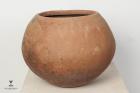
Subject: Bowl. Odisha is known for its lineage of skilled artisans of terracotta pottery. Terracotta crafts being water and weather proof are popular as indoor objects as well as outdoor decoration. Products range from those belonging to ritualistic ceremonies to artifacts of utilitarian and artistic significance. Earthen vessels and utensils such as this bowl are a basic requirement of rural life.
Site Name:
Date: 1800-1899
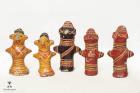
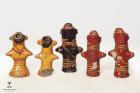
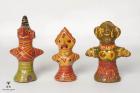
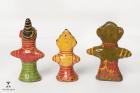
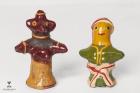
Subject: Dolls. Lac comes from an insect’s resinous secretion. Terracotta and wooden items are coated with lacquer to produce utility or decorative items. A pair comprising of male and female dolls known as joukandhei is a part of the tribal ritual of Mayurbhanj district in Odisha but now most such dolls continue on their traditional form and are used for decorative purposes rather than the original purpose for which they were meant.
Site Name:
Date: 1800-1899
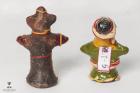
Subject: Dolls. Lac comes from an insect’s resinous secretion. Terracotta and wooden items are coated with lacquer to produce utility or decorative items. A pair comprising of male and female dolls known as joukandhei is a part of the tribal ritual of Mayurbhanj district in Odisha but now most such dolls continue on their traditional form and are used for decorative purposes rather than the original purpose for which they were meant. View of the back of the dolls.
Site Name:
Date: 1800-1899
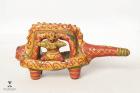
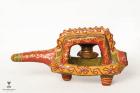
Subject: Palinki (Palanquin). Lac comes from an insect’s resinous secretion. Terracotta and wooden items are coated with lacquer to produce utility or decorative items such as this miniature palanquin. A palanquin may be used to carry religious images in Hindu processions. Modern use of the palanquin is limited to ceremonial occasions, for instance, for carrying the bride in a traditional wedding or during funerals.
Site Name:
Date: 1800-1899
Subject: Palinki (Palanquin). Lac comes from an insect’s resinous secretion. Terracotta and wooden items are coated with lacquer to produce utility or decorative items such as this miniature palanquin. A palanquin may be used to carry religious images in Hindu processions. Modern use of the palanquin is limited to ceremonial occasions, for instance, for carrying the bride in a traditional wedding or during funerals.
Site Name:
Date: 1800-1899
Subject: Dolls. Lac comes from an insect’s resinous secretion. Terracotta and wooden items are coated with lacquer to produce utility or decorative items. A pair comprising of male and female dolls known as joukandhei is a part of the tribal ritual of Mayurbhanj district in Odisha but now most such dolls continue on their traditional form and are used for decorative purposes rather than the original purpose for which they were meant.
Site Name:
Date: 1800-1899
Subject: Dolls. Lac comes from an insect’s resinous secretion. Terracotta and wooden items are coated with lacquer to produce utility or decorative items. A pair comprising of male and female dolls known as joukandhei is a part of the tribal ritual of Mayurbhanj district in Odisha but now most such dolls continue on their traditional form and are used for decorative purposes rather than the original purpose for which they were meant. View of the back of the dolls.
Site Name:
Date: 1800-1899
Subject: Dolls. Lac comes from an insect’s resinous secretion. Terracotta and wooden items are coated with lacquer to produce utility or decorative items. A pair comprising of male and female dolls known as joukandhei is a part of the tribal ritual of Mayurbhanj district in Odisha but now most such dolls continue on their traditional form and are used for decorative purposes rather than the original purpose for which they were meant.
Site Name:
Date: 1800-1899
Subject: Dolls. Lac comes from an insect’s resinous secretion. Terracotta and wooden items are coated with lacquer to produce utility or decorative items. A pair comprising of male and female dolls known as joukandhei is a part of the tribal ritual of Mayurbhanj district in Odisha but now most such dolls continue on their traditional form and are used for decorative purposes rather than the original purpose for which they were meant. View of the back of dolls.
Site Name:
Date: 1800-1899
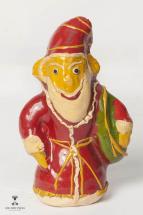
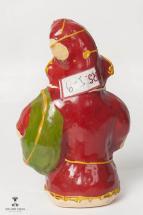
Subject: Santa Claus. Lac comes from an insect’s resinous secretion. Terracotta and wooden items are coated with lacquer to produce utility or decorative items. This figure is of Santa Claus.
Site Name:
Date: 1800-1899
Subject: Santa Claus. Lac comes from an insect’s resinous secretion. Terracotta and wooden items are coated with lacquer to produce utility or decorative items. This figure is of Santa Claus. Back view of the figurine.
Site Name:
Date: 1800-1899
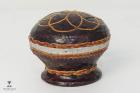
Subject: Mathia (Water Pot). Lac comes from an insect’s resinous secretion. Terracotta and wooden items are coated with lacquer to produce utility or decorative items. This is a terracotta water pot decorated with colored lacquer work. Base up view of the pot.
Site Name:
Date: 1800-1899
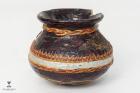
Subject: Mathia (Water Pot). Lac comes from an insect’s resinous secretion. Terracotta and wooden items are coated with lacquer to produce utility or decorative items. This is a terracotta water pot decorated with colored lacquer work.
Site Name:
Date: 1800-1899
Subject: Ghuma (Grain Container). Large terracotta tumblers or vessels such as these are used for storing food grains by the villagers and are colloquially known as ghuma.
Site Name:
Date: 1800-1899
Subject: Mathia (Water Pot). Odisha is known for its lineage of skilled artisans of terracotta pottery. Terracotta crafts being water and weather proof are popular as indoor objects as well as outdoor decoration. Products range from those belonging to ritualistic ceremonies to artifacts of utilitarian and artistic significance. Earthen vessels and utensils such as this terracotta water pot are a basic requirement of rural life.
Site Name: Bhubaneswar
Date: 800-999
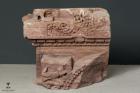
Subject: Architectural Fragment. A fragment possibly from the gandi (curvilinear spire portion) of deul (sanctuary or main shrine) of a temple. At the bottom there is a remnant of a vidhyadhara (demigod). This object has been loaned by the Odisha State Museum.
Site Name: Bhubaneswar
Date: 800-999
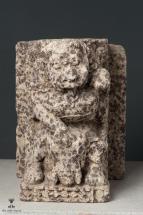
Subject: Architectural Fragment. A sculpture of a Gajasimha that is a mythical hybrid animal or Vyala in Hindu mythology, appearing as a lion with the head or trunk of an elephant. This object has been loaned by the Odisha State Museum.
Site Name: Bhubaneswar
Date:
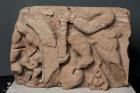
Subject: Architectural Fragment. A fragment possibly from the gandi (curvilinear spire portion) of deul (sanctuary or main shrine) of a temple. This object has been loaned by the Odisha State Museum.