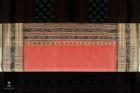
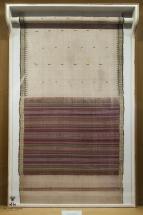
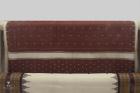
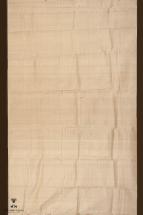
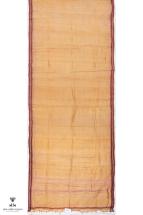
Subject: Chitapadma Cotton Stole. An orange colored stole with animal motifs on the border. This object was procured from Sambalpuri Bastralaya Handloom Co-operative Society Ltd.
Site Name:
Date: 1900-1999
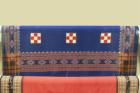
Subject: Sachipar Check Cotton scarf. The traditional Sachipar material is characterized by checked patterns in the body. This object was procured from Sambalpuri Bastralaya Handloom Co-operative Society Ltd.
Site Name:
Date: 1900-1999
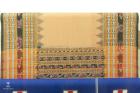
Subject: Bichitrapuri Cotton scarf. This is a Bichitrapuri design scarf which is a complex tie and dye weave. This object was procured from Sambalpuri Bastralaya Handloom Co-operative Society Ltd.
Site Name:
Date: 1900-1999
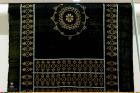
Subject: Padma Border Anchal Sakta Scarf. This scarf has the lotus motif on its border and in the center of its body. The scarf has a black and yellow color scheme. This object was procured from Sambalpuri Bastralaya Handloom Co-operative Society Ltd.
Site Name: Ulba
Date: 1800-1899
Subject: Dobby Buti Saree. This saree has small textured motifs (buti) in the shape of fish and temple produced on the dobby loom. This saree was procured from Jaya Krushna Rout.
Site Name: Barpali
Date: 1900-1999
Subject: Body Danti Matha Saree. This saree is woven with tie and dye technique and has fish motifs on its body. The border has fish, deer and flower motifs too. This saree was procured from weaver Kshetramohan Meher.
Site Name: Gopalpur
Date: 1800-1899
Subject: Tussar Body Col. Jala Buti Saree. This tussar sulk saree has been adorned with designs by extra weft method using the jala technique. This saree was procured from Hingula Tassar and Silk WCS Ltd.
Site Name: Gopalpur
Date: 2000-2999
Subject: Tussar Fodakumbha Bandha Buti Saree. This tussar saree has a solid border effect of fodakumbha (temple) design which has been produced by engaging two weavers using three different shuttle techniques on a fly shuttle frame loom. This saree was procured from Taratarini Mahila WCS.
Site Name:
Date: 1800-1899
Subject: Tussar Silk Dangaria Kandha Saree. The saree is woven with jala design in the anchal that represents the typical embroidery of the Dongaria Kondh tribe of Rayagada district, Odisha. The motifs in the anchal (end) are of hills and leaves, which symbolize affinity to nature. The buti design put on the body of the saree is woven with same three colored threads - red, green and orange/yellow.
Site Name: Talipada
Date: 1800-1899
Subject: Traditional Phodakumbha Silk Saree. This is a traditional phoda kumbha (temple) design silk saree woven with tie and dye technique in the anchal (end). The temple motif is woven with the help of three shuttles throughout the length of saree. In the anchal, motifs of fish, rudraksha, tree are woven with tie and dye technique using extra weft. The creeper motif appears in intervals. These motifs are considered auspicious in western Odisha. This saree was procured from Birendra Ku. Dash.
Site Name:
Date: 1900-1999
Subject: Berhampuri Munda Pata (Wedding Saree for Bride). This saree is named after the place of production i.e. Berhampur. This saree is worn during marriage ceremonies. It has been woven with two-ply silk yarn in warp and three/four-ply malda charkha silk in weft. Ordinary handloom has been used for plain ground weaving. The ornamentation of coconut flowers is made by extra warp and weft. This object was procured from L.M.Pattanaik.
Site Name: Nuapatna
Date: 1900-1999
Subject: Phodakumbha Saree. The saree is woven with weft tie and dye technique. The saree has a temple border and is used by women during wedding ceremonies. This saree was procured from Binoy Ku. Sahoo.
Site Name: Prathamakandi
Date: 1900-1999
Subject: Cotton Saree. This saree is woven in a fly shuttle frame loom with phodakumbha effect (temple) in border and the body is diapered with buti (motifs). This object was procured from G. Balunkeswar WCS.
Site Name:
Date: 1900-1999
Subject: Dasfulia Traditional Fodakumbha Silk Saree. This saree has ten rows of Machafula (fish and flowers) with fodakumbha (temple) design on the border. This has been created using three shuttles. This saree was procured from Sambalpuri Bastralaya Handloom Co-operative Society Ltd.
Site Name: Baripada
Date:
Subject: Tussar Katia Chadar. This is a silk fabric made from Katia variety of tussar silk. This object was procured from Bindu Bala Das in Deulasahi village of Mayurbhanj district.
Site Name: Sainkula
Date:
Subject: Traditional Tussar Saree. This is a traditional tussar silk saree. This object was procured from Sorojini Behera.
Site Name: Binjhua
Date:
Subject: Brahmagami Chadar (Tussar). A tussar silk fabric. This object was procured from Gopal Ch. Sahu.
Site Name: Nuapatna
Date:
Subject: Konark Chakra Silk Jala Saree. This saree has an anchal (end) with traditional motifs such as elephant, lotus, fish and the Konark wheel. The body also has small motifs of the Konark wheel created through the jala technique that is an attachment on top of a loom consisting of threads which contain the complete series of lifting orders for an intricate design. This saree was procured from Sridurga Mahila WCS.
Site Name: Maniabandha
Date:
Subject: Khandua Cotton Saree. Khandua is a traditional ikat saree from Odisha that is worn during wedding ceremonies. This object was procured from Shyamasundar Karan.
Site Name: Maniabandha
Date:
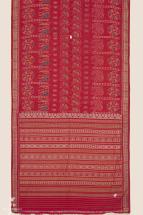
Subject: Ranga Saree. A red saree diapered with buti and a traditional anchal (end). This object was procured from Shyamasundar Karan.
Site Name: Maniabandha
Date:
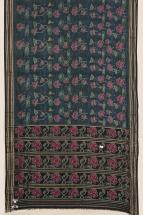
Subject: Padmabani Saree. A saree with lotus flowers on the body and anchal (end). This object was procured from Shyamasundar Karan.
Site Name: Kainfulia
Date:
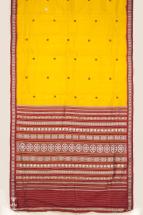
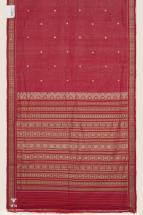
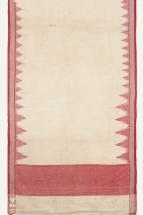
Subject: Cotton Badasara. A saree with a traditional temple border. The color scheme of the saree is red and white. This saree was procured from Manda Mandal.
Site Name: Ranpur
Date:
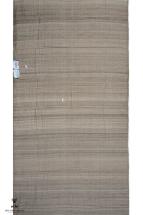
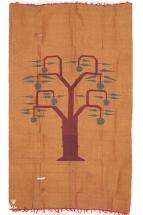
Subject: Jute Floor Mat. This floor mat has a motif of a tree. This object was procured from Maninag Weaver Cooperative Society.
Site Name:
Date:
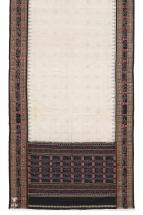
Subject: Traditional Dupatta (Natural Colour). This is a naturally dyed dupatta (stole) with auspicious symbols and a temple design on its border. This object was procured from Gangadhar Meher.