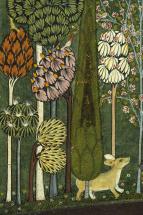
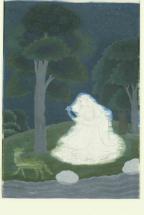
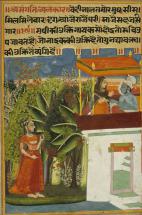
Subject: Lower left portion, hare in forest [Nayika with two attendants]
Site Name: Kangra
Date: ca 1800-1825 CE
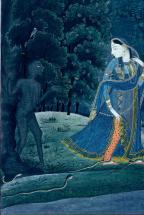
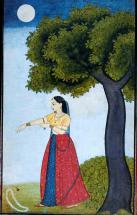
Subject: Nayika meets a witch and snakes on the way to meet her lover [Krishna-Abhisarika Nayika]
Site Name:
Date: ca 1775 CE
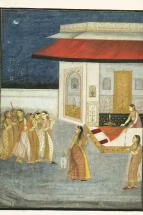
Subject: Nayika Led to the Bed
Site Name: Palampet
Date: 1211 CE (Saka 1135)
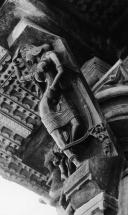
Subject: Rangamandapa, north face, pillar bracket, Nayika
Site Name:
Date: ca 1625 CE
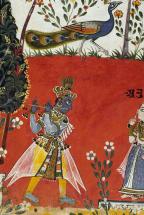
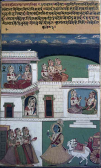
Subject: Center portion, Krishna fluting; Nayaka with Anusayana Nayika
Site Name: Belur
Date: ca 1117 CE
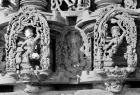
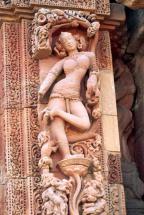
Subject: Navaranga, interior, east wall, Nayika
Site Name: Baudh
Date: ca 926-950 CE
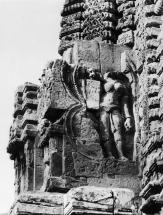
Subject: Sukanasa, north face, Nayika
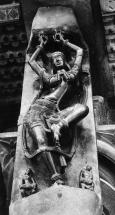
Site Name: Belur
Date: ca 1117 CE
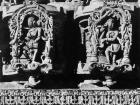
Subject: Navaranga, east wall, Nayika
Site Name:
Date: ca 1875 CE
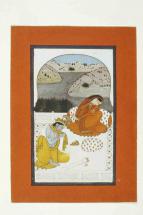
Subject: Parakiya nayika, (Krsna visiting Radha)
Site Name: Kangra or Garhwal
Date: 1800 CE
Subject: Khandita Nayika
Site Name: Kangra
Date: ca 1790 CE
Subject: Utka Nayika
Site Name: Ambajogai
Date: ca 1300-1399 CE
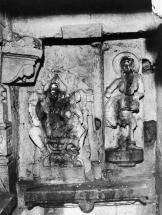
Subject: Gudhamandapa, Siva-Parvati & Nayika
Site Name: Bhubaneswar
Date: ca 1000 CE
Subject: West wall (rear): Nayika
Site Name: Bhubaneswar
Date: 1901-2000
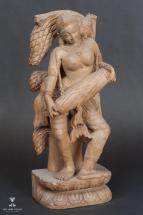
Subject: Nayaika. Nayaika translates to’ heroine’. Sculptures of nayikas in various roles and moods are commonly found in temples of Odisha. These are meant to depict facets of social life along with other sculptures. The lady in this sculpture is playing a mrudang, a musical instrument. This object has been procured from State Institute for Development of Arts & Crafts (SIDAC) Show House Museum, Handicrafts Complex.
Site Name: Palampet
Date: 1211 CE (Saka 1135)
Subject: Rangamandapa, north face, pillar bracket, Nayika
Site Name: Bundi or (Kota/Kotah)
Date: ca 1775 CE
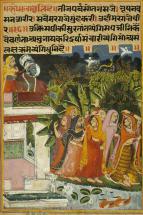
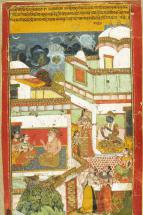
Subject: The Rasikapriya, written circa 1590 by Keshav Das, a celebrated Hindi poet, is a treatise on erotica (rasa: literally mood). In it, nayikas are divided into several classifications; Scene from the Rasikapriya
Site Name: Bundi or (Kota/Kotah)
Date: ca 1775 CE
Subject: The Rasikapriya, written circa 1590 by Keshav Das, a celebrated Hindi poet, is a treatise on erotica (rasa: literally mood). In it, nayikas are divided into several classifications; Scene from the Rasikapriya
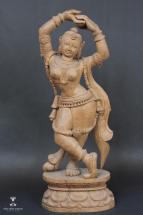
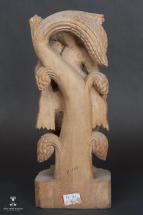
Subject: Alasi Nayaika. Nayaika translates to’ heroine’. Sculptures of nayikas in various roles and moods are commonly found in temples of Odisha. These are meant to depict facets of social life along with other sculptures. The lady in this sculpture is stretching her arms upwards. This object has been procured from State Institute for Development of Arts & Crafts (SIDAC) Show House Museum, Handicrafts Complex.
Site Name: Nurpur
Date: ca 1770 CE
Subject: The Rejected Lady (Vipralabdha Nayika)
Site Name: Bhubaneswar
Date: 1901-2000
Subject: Nayaika. Nayaika translates to’ heroine’. Sculptures of nayikas in various roles and moods are commonly found in temples of Odisha. These are meant to depict facets of social life along with other sculptures. The lady in this sculpture is playing a mrudang, a musical instrument. Back view of the object. This object has been procured from State Institute for Development of Arts & Crafts (SIDAC) Show House Museum, Handicrafts Complex.
Site Name: Bundi
Date: ca 1700 CE
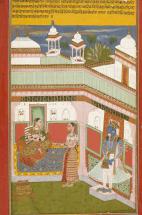
Subject: The Rasikapriya, written circa 1590 by Keshav Das, a celebrated Hindi poet, is a treatise on erotica (rasa: literally mood). In it, nayikas are divided into several classifications.; Krishna Sulking
Site Name: Bundi
Date: ca 1725 CE
Subject: The Rasikapriya, written circa 1590 by Keshav Das, a celebrated Hindi poet, is a treatise on erotica (rasa: literally mood). In it, nayikas are divided into several classifications; Scene from the Rasikapriya