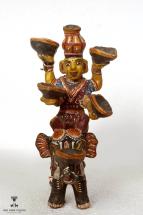
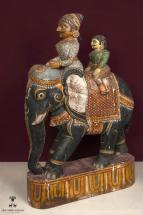
Subject: Lakshmi Seated on Elephant. This is a model of Goddess Lakshmi seated on an elephant made from papier-mâché technique. Papier-mâché is a French word for chewed paper. This craft was probably introduced during the Mughal reign. The surface of papier-mâché produces an ideal ground for painting, which is probably the reason the craft became popular in Odisha with its traditional pattachitra painters. This art in Odisha uses a fusion of paper, cloth rags and straw. It is pulped by hand after softening with water. Additives like multani mitti are added to the pulp as an adhesive and for providing a textured finish. This object has been procured by State Institute for Development of Arts & Crafts (SIDAC) Show House.
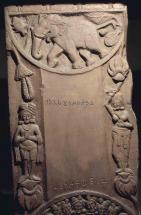
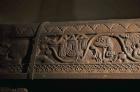
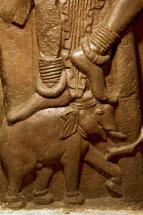
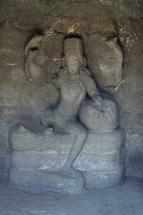
Subject: Devata Culakoka: Elephant at base ; Stupa Vedika (Railing), Upright
Site Name: Bhubaneswar
Date: 1990-1999
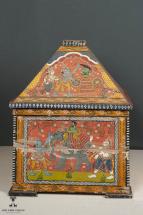
Subject: Dowry Box. Pedis, or dowry boxes are created by chitrakaras and are used to store items of dowries. These are wooden boxes often made of gambhari wood which are covered with cloth canvas and painted over. The boxes may be decorated with scenes from the life of Krishna or they may be decorated with images of musicians and dancers, animals, plants, or other designs. This scene shows Krishna and Balrama fighting the elephant Kuvalayapeeda sent by Kansa. This object has been procured by State Institute for Development of Arts & Crafts (SIDAC) Show House.
Site Name: Goli
Date: ca 100-299 CE
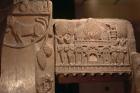
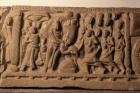
Subject: Left portion, Visvantara gives away the Royal Elephant to a neighboring community; Lintel Fragment, Visvantara (Vessantara) Jataka
Site Name: Ajanta
Date: ca 462-480 CE
Subject: Shrine near Elephant Gate
Site Name: Angkor Thom, Royal Terraces
Date: ca 1100-1299 CE
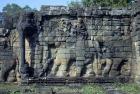
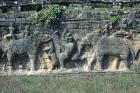
Subject: East Wall, Southern End, Elephant Terrace and Stairway, South Side, Mounted elephants; Part of the walled city of Angkor Thom, the Elephant Terrace is all that remains of the foundation platform
Site Name: Angkor Thom, Royal Terraces
Date: ca 1100-1299 CE
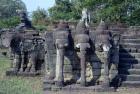
Subject: East Wall, Southern End, Elephant Terrace and Stairway, South Side, from east; Part of the walled city of Angkor Thom, the Elephant Terrace is all that remains of the foundation platform
Site Name: Angkor Thom, Royal Terraces
Date: ca 1100-1299 CE
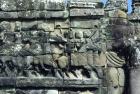
Subject: East Wall, Southern End, Elephant Terrace and Central Stairway, South Side, Procession on horseback, from east; Part of the walled city of Angkor Thom, the Elephant Terrace is all that remains of the foundation platform
Site Name: Angkor Thom, Royal Terraces
Date: ca 1100-1299 CE
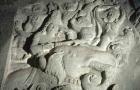
Subject: East Wall, Southern End, Elephant Terrace, Mounted elephants fighting animals; Part of the walled city of Angkor Thom, the Elephant Terrace is all that remains of the foundation platform
Site Name: Angkor Thom, Royal Terraces
Date: ca 1100-1299 CE
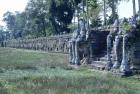
Subject: East Wall, Southern End, Elephant Terrace and Protruding Stairway, toward southeast; Part of the walled city of Angkor Thom, the Elephant Terrace is all that remains of the foundation platform
Site Name:
Date: ca 900-999 CE
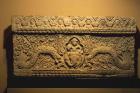
Subject: Lintel with the Hindu God Indra on His Elephant Mount
Site Name: Ajanta
Date: ca 462-480 CE
Subject: Temptation of Buddha (Attack of Mara): Elephant and demons in upper left portion
Site Name: Ter
Date: ca 100-299 CE
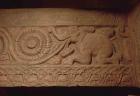
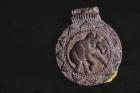
Subject: Facing right; Collared Medallion with Walking Elephant within Decorated Border. Ter is the modern name for ancient Tagara or Tagar
Site Name: Ter
Date: ca 100-299 CE
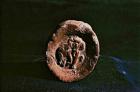
Subject: Ear Pulley with Standing Elephant Facing Front, Ter is the modern name for ancient Tagara or Tagar
Site Name:
Date: ca 1-299 CE
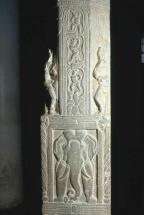
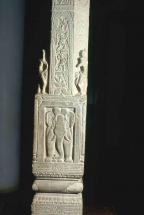
Subject: Octagonal Pillar with Floral Motifs and Human Figures and Base with Elephant Panel
Site Name: Bhubaneswar
Date: 1990-1999
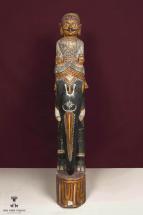
Subject: Two men on an elephant. This object shows two men on an elephant painted and carved in wood. An essential part of growing up in Odisha is toys, dolls, puppets and masks from wood. These toys are richly colored and developed in a stylized form. Often, gambhari or beech wood, the local wood is used for the carvings as it has a fine texture and is light-cream color though other woods may also be used. This object has been procured by State Institute for Development of Arts & Crafts (SIDAC) Show House.
Site Name: Bhubaneswar
Date: 1990-1999
Subject: Two men on an elephant. This object shows two men on an elephant painted and carved in wood. An essential part of growing up in Odisha is toys, dolls, puppets and masks from wood. These toys are richly colored and developed in a stylized form. Often, gambhari or beech wood, the local wood is used for the carvings as it has a fine texture and is light-cream color though other woods may also be used. This object has been procured by State Institute for Development of Arts & Crafts (SIDAC) Show House.
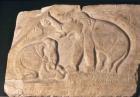
Site Name: Nagarjunakonda (Nagarjunasagar)
Date: ca 1-299 CE
Subject: Relief Panel, Mati Posaka Jataka (The Bodhisattva as a White Elephant and His Mother)
Site Name:
Date: ca 1-299 CE
Subject: Octagonal Pillar with Floral Motifs and Human Figures and Base with Elephant Panel
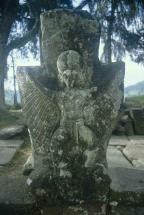
Site Name: Mount Lawu
Date: ca 1430 CE
Subject: Third Terrace, Northern Platform, Southwest Corner, Pillar, south Facade: Garuda with hermit headdress clutching elephant and turtle