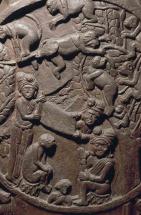
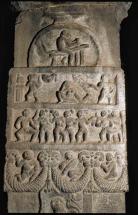
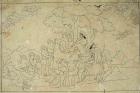
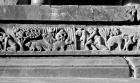
Subject: Two scenes: The Monkey King forms a bridge to save his subjects; The dying Monkey King with the King; Stupa Vedika (Railing) Medallion, Mahakapi Jataka
Site Name:
Date: ca 1560 CE
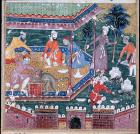
Subject: The wounded monkey bites the hand of the prince, his chess mate, in the presence of guests.
Site Name: Bhubaneswar
Date: 1900-1999
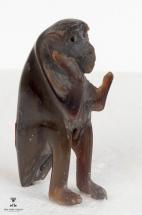
Subject: Monkey. A decorative monkey figure carved in animal horn. Horn from cattle and water buffalo is collected and soaked in water to soften it. The design is then etched on the softened horn and heated to make it malleable. The heated horn is brought to shape by gentle pressure using a mallet and then smoothened using hand filing blades. Individual pieces are joined together to create a final figure. The final figurine is polished with charcoal ash and coated with coconut oil for a shiny finish. This object has been loaned by State Institute for Development of Arts & Crafts (SIDAC) Show House.
Site Name:
Date: ca 1700 CE
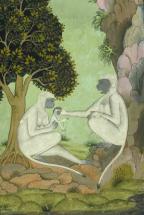
Subject: Lower left portion, monkey family [Interpretation of a Dream: Vision of the monkeys]
Site Name: Pattadakal / Pattadkal
Date: 745 CE
Subject: Main Hall, Sculpted pillar with story from Panchatantra: Monkey imitates carpenter's work
Site Name:
Date: 1800-1899
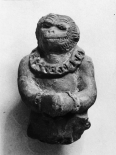
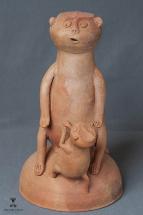
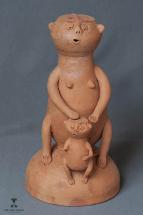
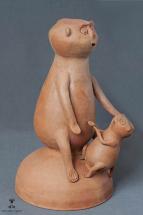
Subject: Monkey with Infant. Odisha is known for its lineage of skilled artisans of terracotta pottery. Terracotta crafts being water and weather proof are popular as indoor objects as well as outdoor decoration. Products range from those belonging to ritualistic ceremonies to artifacts of utilitarian and artistic significance. Animal figurines such as this monkey are also popular. Front view of the figurine.
Site Name:
Date: ca 1100-1199 CE
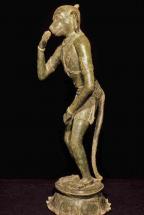
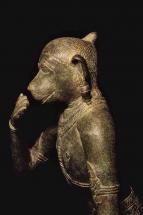
Subject: Three-quarter view, from right, Monkey General Hanuman
Site Name:
Date: ca 900-999 CE
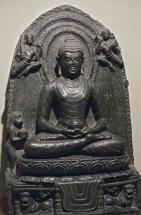
Subject: Offering to Buddha Sakyamuni of Honey by the Monkey at Vaisali
Site Name:
Date: 1800-1899
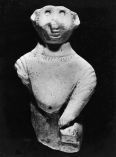
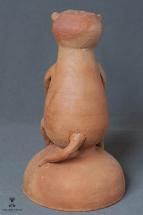
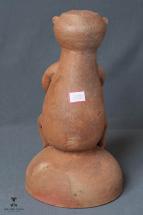
Subject: Monkey with Infant. Odisha is known for its lineage of skilled artisans of terracotta pottery. Terracotta crafts being water and weather proof are popular as indoor objects as well as outdoor decoration. Products range from those belonging to ritualistic ceremonies to artifacts of utilitarian and artistic significance. Animal figurines such as this monkey are also popular. Back view of the figurine.
Site Name:
Date: ca 1775-1825 CE
Subject: Rama, Lakshmana and Sugriva in Conference, Rama is an avatar of Vishnu. Hanuman is the Monkey King who is an ally of Rama.
Site Name:
Date: 1800-1899
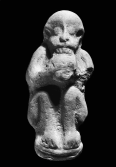
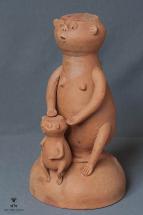
Subject: Monkey with Infant. Odisha is known for its lineage of skilled artisans of terracotta pottery. Terracotta crafts being water and weather proof are popular as indoor objects as well as outdoor decoration. Products range from those belonging to ritualistic ceremonies to artifacts of utilitarian and artistic significance. Animal figurines such as this monkey are also popular. Side view of the figurine.
Site Name:
Date: 1800-1899
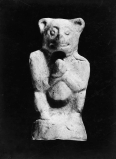
Subject: Monkey with Infant. Odisha is known for its lineage of skilled artisans of terracotta pottery. Terracotta crafts being water and weather proof are popular as indoor objects as well as outdoor decoration. Products range from those belonging to ritualistic ceremonies to artifacts of utilitarian and artistic significance. Animal figurines such as this monkey are also popular. Front view of the figurine.
Site Name:
Date: ca 1100-1199 CE
Subject: Upper portion, from right; Monkey General Hanuman
Site Name: Belgami/Balligamve
Date: ca 1070 CE
Subject: Rangamandapa, south wall, adhisthana, pancatantra panel, monkey and crocodile
Site Name:
Date: 1800-1899
Subject: Monkey with Infant. Odisha is known for its lineage of skilled artisans of terracotta pottery. Terracotta crafts being water and weather proof are popular as indoor objects as well as outdoor decoration. Products range from those belonging to ritualistic ceremonies to artifacts of utilitarian and artistic significance. Animal figurines such as this monkey are also popular. Back view of the figurine.
Site Name: Mahabalipuram
Date: ca 600-699 CE
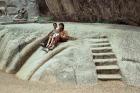
Subject: Children's slide near right end with Monkey family from right half, right portion in background; Sculpture in situ
Site Name: Sarnath
Date: 600-799 CE
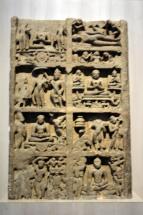
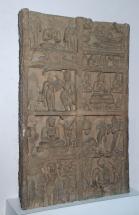
Subject: Slab sculptured with eight principal scenes from Buddha's life, from left to right and top to bottom: (a) Nativity (b) Enlightenment (c) Offering of honey by the Monkey at Vaishali (d) Submission of the Elephant Nalagiri at Rajgir (e) Descent from Trayastrimsa Heaven accompanied by Brahma and Indra at Sankasya (f) Great Miracle at Shravasti (g) First Sermon (h) Parinirvana. The relief was found in three pieces: one found by Markham Kittoe in an unspecified location, two found on the eastern approach to the Main Shrine.
Site Name: Sarnath
Date: 600-799 CE
Subject: Slab sculptured with eight principal scenes from Buddha's life, from left to right and top to bottom: (a) Nativity (b) Enlightenment (c) Offering of honey by the Monkey at Vaishali (d) Submission of the Elephant Nalagiri at Rajgir (e) Descent from Trayastrimsa Heaven accompanied by Brahma and Indra at Sankasya (f) Great Miracle at Shravasti (g) First Sermon (h) Parinirvana. The relief was found in three pieces: one found by Markham Kittoe in an unspecified location, two found on the eastern approach to the Main Shrine.
Site Name: Sarnath
Date: 600-799 CE
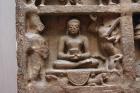
Subject: Slab sculptured with eight principal scenes from Buddha's life, detail showing Offering of honey by the Monkey at Vaishali
Site Name:
Date: 1800-1899
Subject: Monkey with Infant. Odisha is known for its lineage of skilled artisans of terracotta pottery. Terracotta crafts being water and weather proof are popular as indoor objects as well as outdoor decoration. Products range from those belonging to ritualistic ceremonies to artifacts of utilitarian and artistic significance. Animal figurines such as this monkey are also popular. Side view of the figurine.