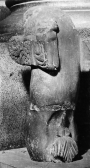
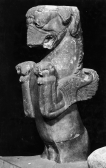
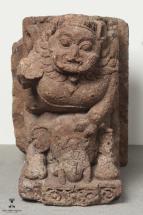
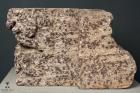
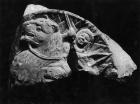
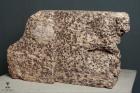
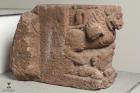
Subject: Architectural Fragment. Gajasimha is a mythical hybrid animal or Vyala in Hindu mythology, appearing as a lion with the head or trunk of an elephant. This object has been loaned by the Odisha State Museum.
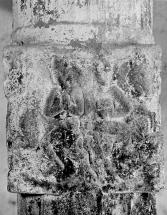
Site Name: Idaikal
Date: ca 1211 CE
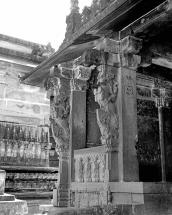
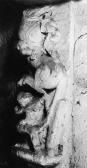
Subject: Mandapa, vyala pillar
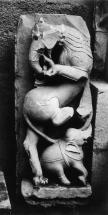
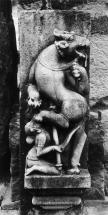
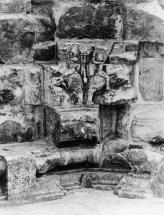
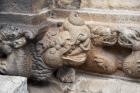
Site Name: Baudh
Date: ca 926-950 CE
Subject: South face, pitha detail, vyala riders
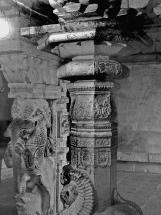
Site Name: Idaikal
Date: ca 1211 CE
Subject: Mandapa, vyala pillar
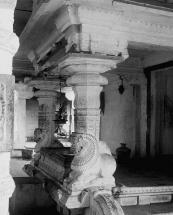
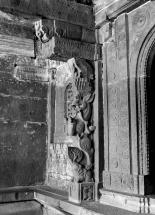
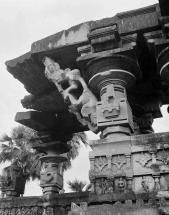
Site Name: Ikkeri
Date: ca 1515-1545 CE
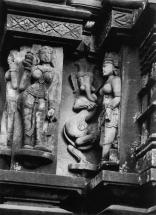
Subject: Mukhamandapa, vyala pillars, view
Site Name: Bhubaneswar
Date: 800-999
Subject: Architectural Fragment. A sculpture of a Gajasimha that is a mythical hybrid animal or Vyala in Hindu mythology, appearing as a lion with the head or trunk of an elephant. This object has been loaned by the Odisha State Museum.
Site Name: Chebrolu
Date: ca 896-922 CE
Subject: Garbhagrha, north doorway, Vyala at top right, detail
Site Name: Ahar
Date: 1400-1499 CE
Subject: Devakulika on east, Vyala rebuilt into a wall
Site Name: Mathura
Date: 99-1 BCE
Subject: Cross-bar showing, a vyala rider
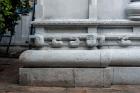
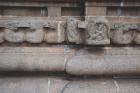
Site Name: Tiruparuthikundram
Date:
Subject: Basal moulding (adhisthana), vyala frieze. The shrine was originally made earlier than 1200 CE.
Site Name: Kilaiyur/Keelaiyur
Date: 876-899 CE
Subject: Basal moulding (adhisthana), detail of vyala frieze (vyalamala) at top socle
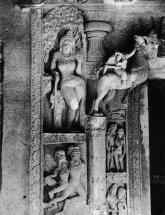
Site Name: Ajanta
Date: 462-480 CE
Subject: Antechamber, shrine door right top, pilaster capital showing vyala and makara
Site Name: Bhubaneswar
Date: 800-999
Subject: Architectural Fragment. A sculpture of a Gajasimha that is a mythical hybrid animal or Vyala in Hindu mythology, appearing as a lion with the head or trunk of an elephant. This object has been loaned by the Odisha State Museum.
Subject: Architectural Fragment. Gajasimha is a mythical hybrid animal or Vyala in Hindu mythology, appearing as a lion with the head or trunk of an elephant. Side view of the fragment. This object has been loaned by the Odisha State Museum.