Site Name: Sarai Amanat Khan
Date:
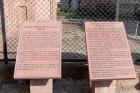
Subject: Information plaque on Sarai Amanat Khan in Hindi and English


 CENTER FOR ART AND ARCHAEOLOGY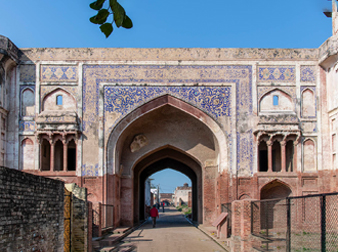
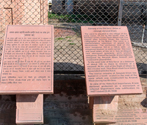
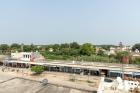
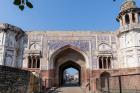
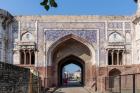
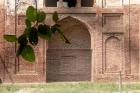
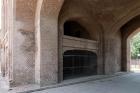
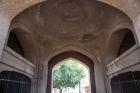
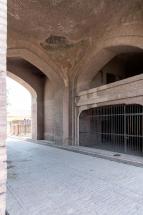
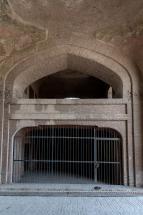
Sarai Amanat Khan is a Mughal-period caravansarai
or rest house in a village of the same name on the Tarn Taran–Attari Road in
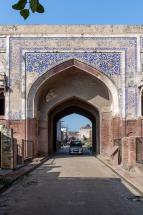
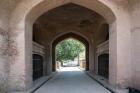
Punjab. An inscription on the eastern gateway dates it to 1050 AH (1640–41 CE)
and credits Abd al-Haqq Shirazi, known as Amanat Khan, the Persian calligrapher
of Shah Jahan’s court who also worked on the Taj Mahal. The Sarai includes a
mosque with Arabic calligraphy in thuluth script recording his role in its
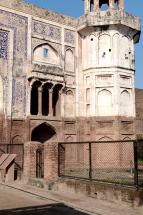
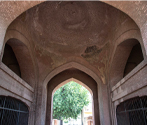
design. Built around a large square courtyard, it features glazed tiles
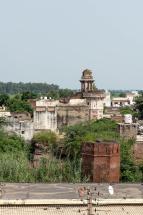
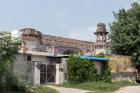
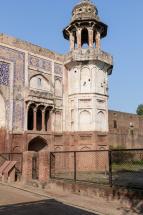
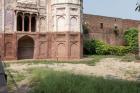
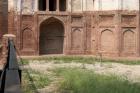
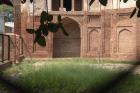
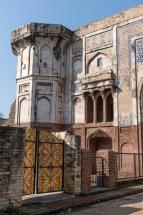
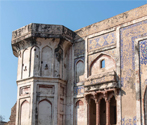
reflecting Persian influence and gateways with floral arabesque spandrels. Only
two octagonal bastions survive today, though each corner once had bastions
topped with chhatris. Residents recall a once-busy bazaar run by Khatri traders
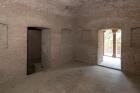
that lasted until the late 20th century. The complex also contains later
structures, including houses, a haveli, and two wells, showing layered
settlement. Families living here since before Partition still occupy and have
adapted the Sarai for modern use.