CENTER FOR ART AND ARCHAEOLOGY
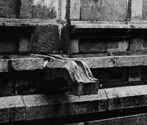
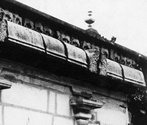
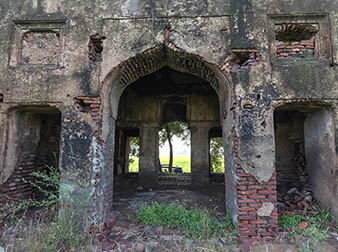
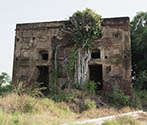
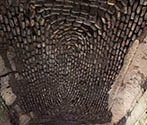
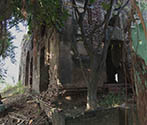
The tank and associated baradari are located
to the north of Sarai Banjara (Link Road) in Patiala district of Punjab, with
the baradari positioned on the western bank of the tank. Although no
inscription records their patronage, architectural features suggest a
seventeenth-century date. Both structures are unprotected and survive in a
ruinous state: the tank has been repurposed for cultivation with only faint
traces of its southern steps visible, while the baradari consists of five
arched chambers with stairways in the east and west walls leading to an
inaccessible roof.
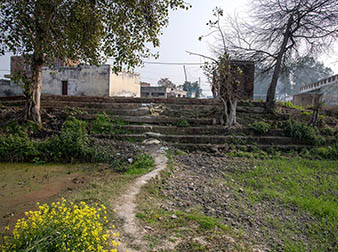
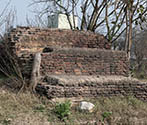
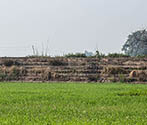
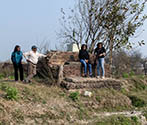
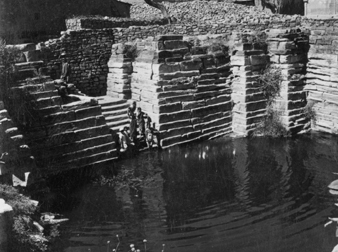
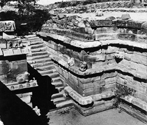
The Tank of Todarmal is a Mughal-period water
structure situated in Raja Tal (Attari Road) in Amritsar district of Punjab,
close to the India–Pakistan border. Constructed in 1582 CE under the patronage
of Raja Todarmal, a diwan in Emperor Akbar’s court, the tank originally
featured stepped ghats on all four sides, with bathing platforms at the corners
and midpoints. Built of lakhori bricks set in lime mortar and plaster, the tank
formed the nucleus around which the settlement developed. The structure is unprotected
and survives in a severely deteriorated state, with only fragments of the steps
and walls remaining; the tank has dried up and is now used for farming.