Galleries

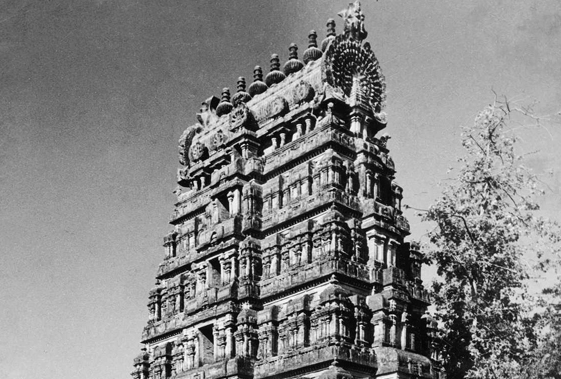
Tiruverumbiyur Alvar temple, Tiruve...

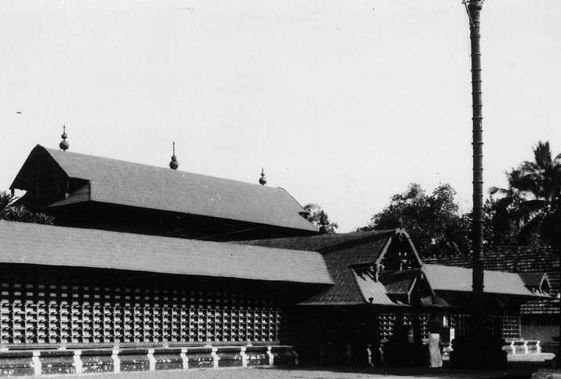
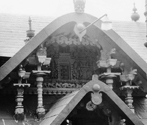
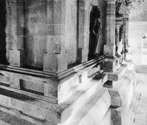
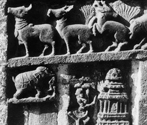
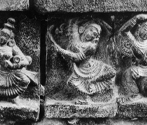
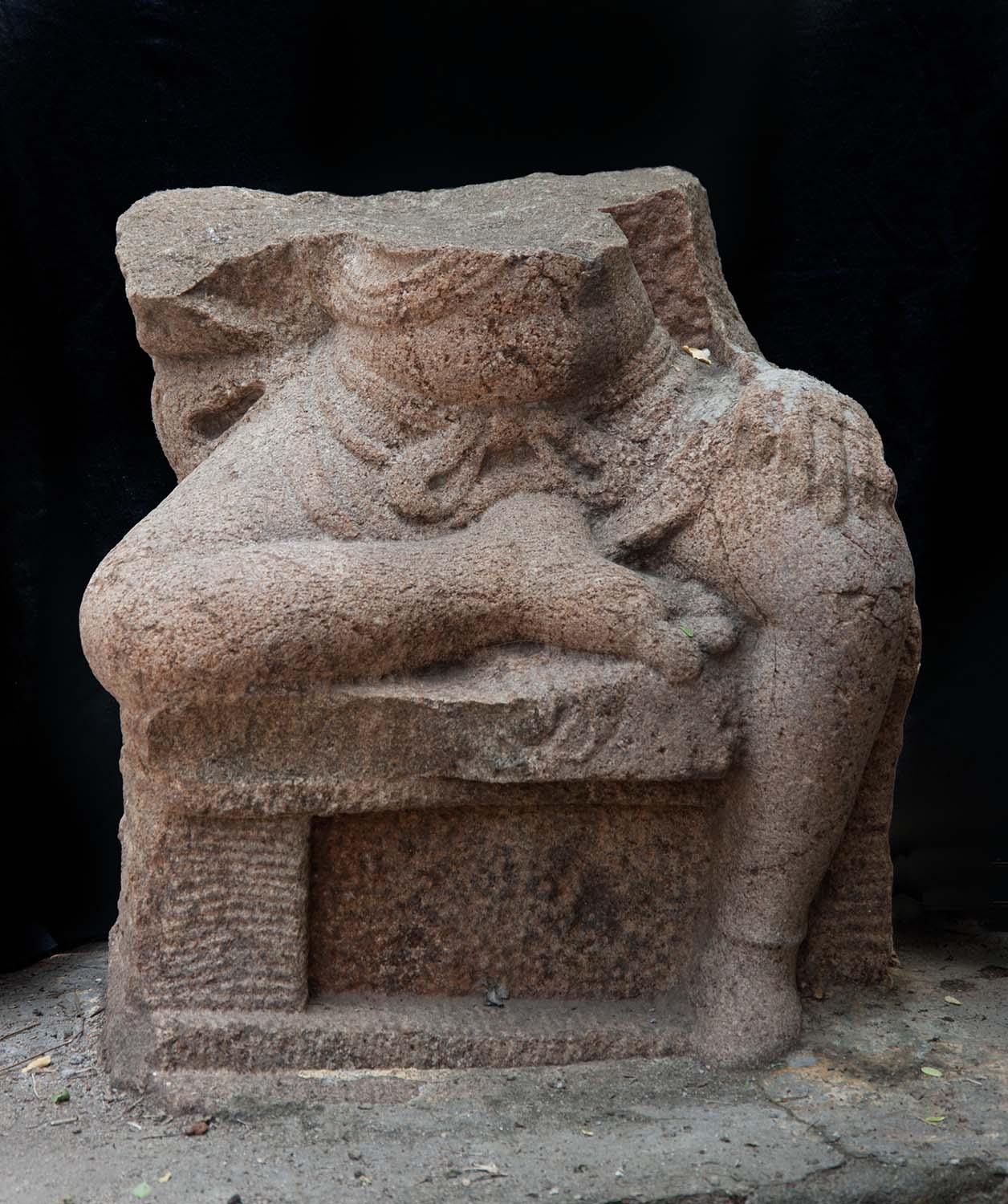
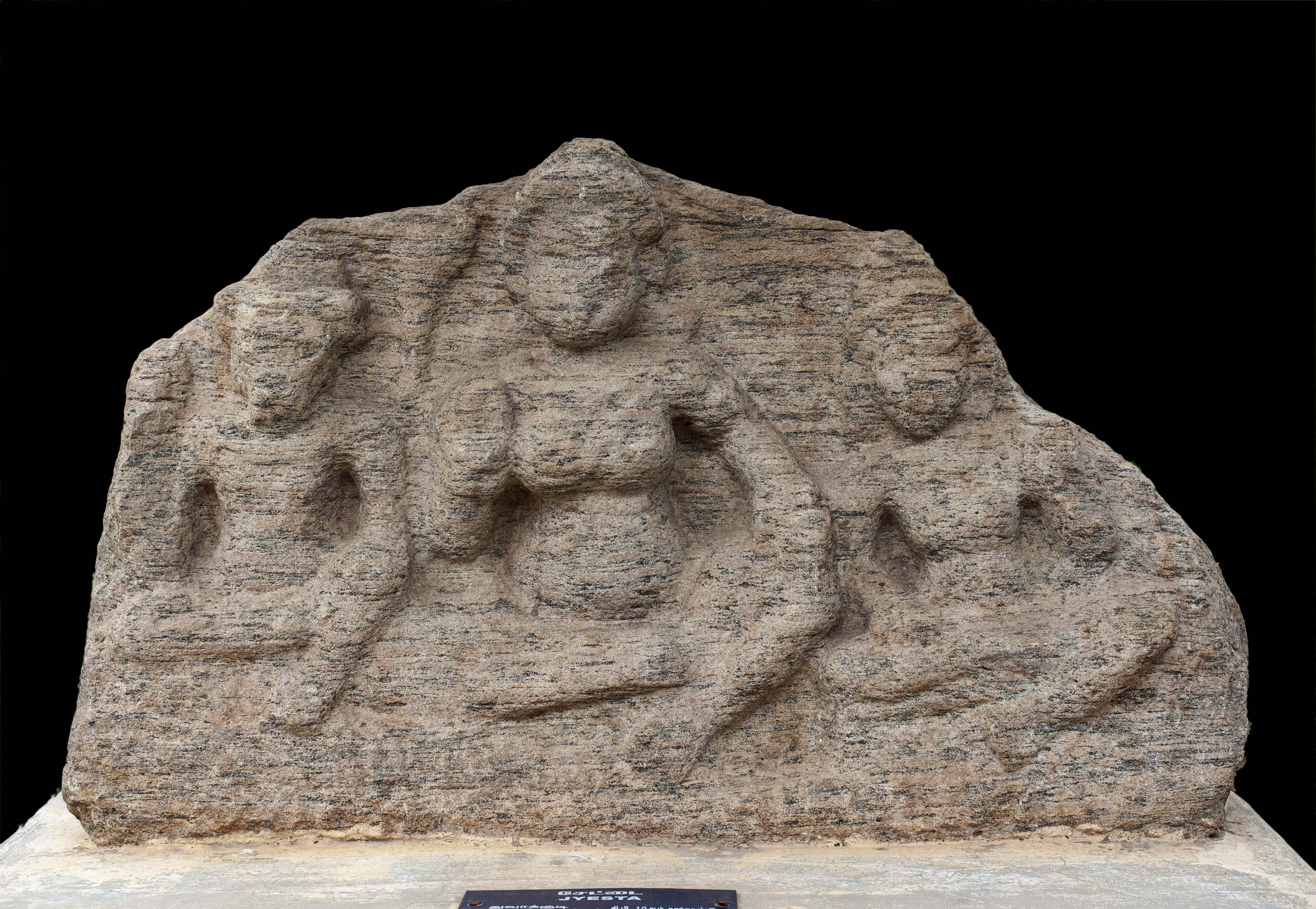
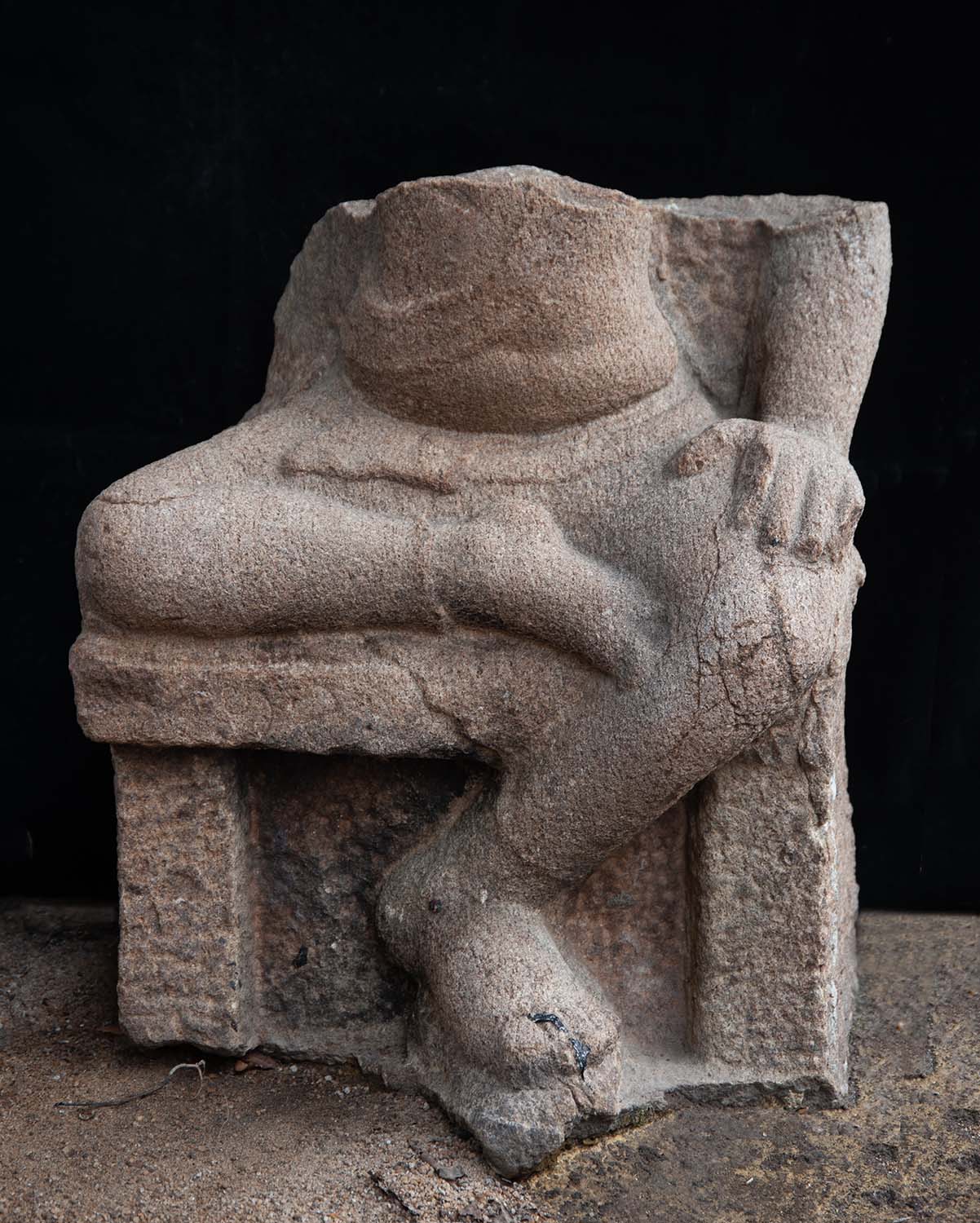
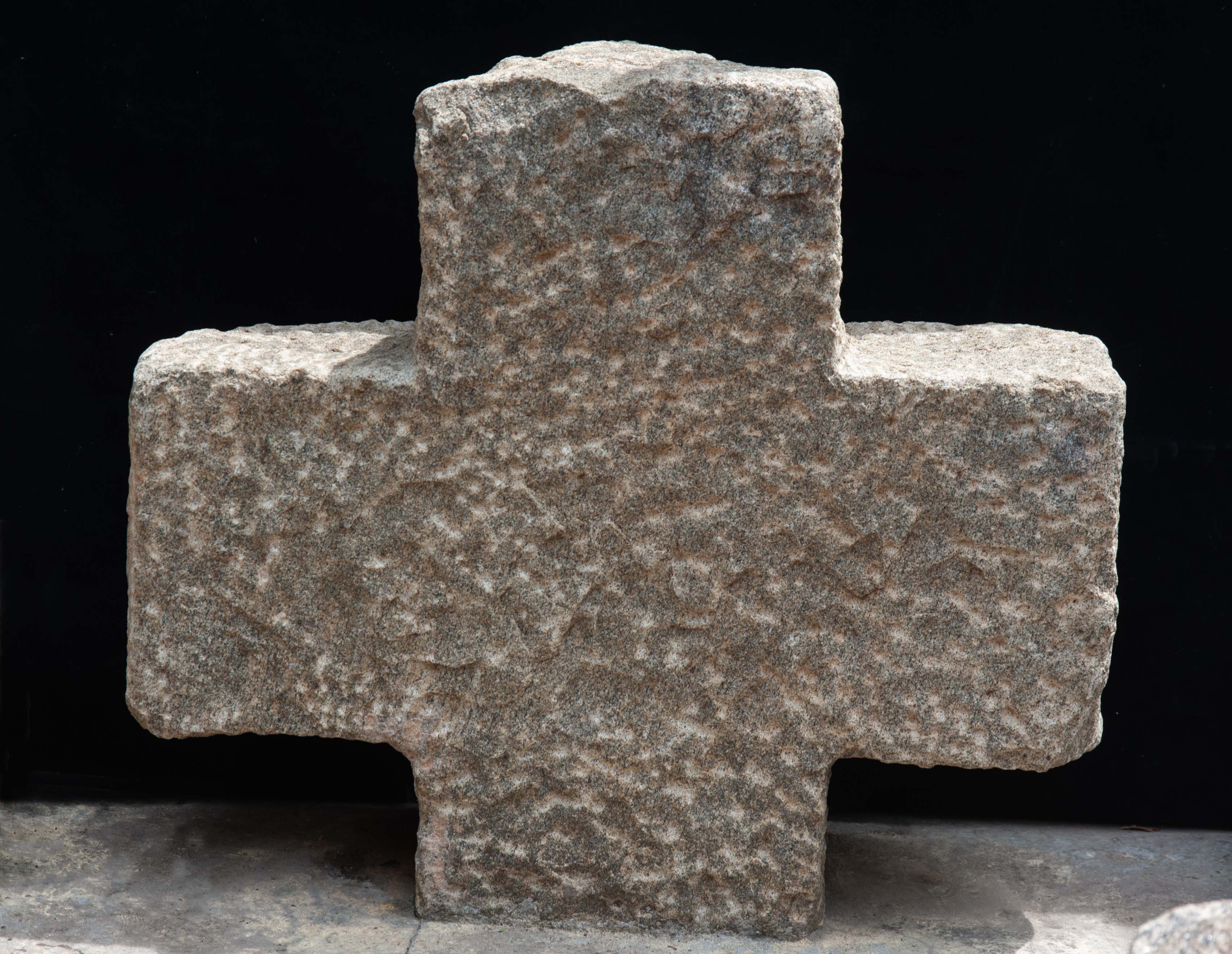
The Tiruverumbiyur Alvar temple at Tiruverumbur is of great antiquity. The legend says that Indra and other devas in the form of ants worshipped the Lord of the place and gained their salvation. Also Karan, brother of Trisiras (the three-headed son of Tvashta and grandson of Hiranyakashipu), the great eponymous hero of Tiruchy, assumed the form of an ant, adored the Lord and attained His grace. Besides, Lakshmi, Agni, Muruga, an Agastya are said to have worshipped the Lord and gained their salvation. The existence of this temple in the seventh century is attested by the hymns of the Tamil saint Apppar but how far earlier the temple was in existence cannot be ascertained. There is conflicting evidence regarding the origin of the present temple in the early Chola period and it is difficult to unravel the chronology of the various inscriptions. A scholar has suggested that the temple was built by a Tattan Sendi on or before the fourth year of Aditya I and Sembiyan Vedi Velan made extensive additions to the temple in the days of Gandaraditya. The name of the deity of the temple is Aditta Bhattarar. Reference: S.R. Balasubrahmanyam, 1966, pp.114-123.

Collection type:

Galleries

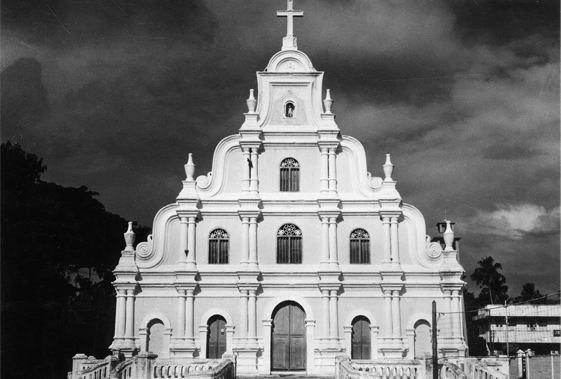
Tivim, Baroque Architecture, Goa

Tivim, Baroque Architecture, Goa

Collection type:

Galleries

Tomb Dana Shir, Hisar

This is one of the largest tombs of Hisar. This tomb is located south of the town and to the south of the stadium. The lowest part of the building is constructed using a rubble core and the upper part is built with brick. During its construction the building’s interior and exterior were plastered and the cement of the dome was adorned with ribs. This tomb has four openings each in the center of the wall. It does not have a mihrab. After partition the tomb was converted to a Hindu shrine but it is no longer used as one.

Collection type:

Galleries

Tomb near Mughal Sarai, Nurdi, Punj...

This Mughal-period tomb is located on the western outskirts of Nurdi village, south of the Chabal–Attari Road in Tarn Taran district of Punjab, with the associated sarai (rest house) situated to its east. Constructed between 1608-1650 CE, the tomb follows a Baghdadi octagonal plan and is built of lakhori bricks with red sandstone and lime plaster. The monument is under the Central Waqf Council and survives in a deteriorated condition, with extensive loss of plaster, surface blackening, vegetation growth, and structural cracking visible.

Collection type:

Galleries

Tomb of Akbar, Sikandra, UP

The Sikandra Fort (Tomb of Akbar) is a Mughal-period funerary complex located north of the Grand Trunk Road at Sikandra, Agra district of Uttar Pradesh. Construction began under Emperor Akbar before his death in 1605 CE and was completed by his son Jahangir in 1612 CE. Built of lakhori bricks, red sandstone, marble, glazed mosaic tiles, and lime mortar, the pyramidal, five-storeyed mausoleum stands at the centre of a large charbagh with four monumental gateways. The monument is protected by the Archaeological Survey of India (Agra Circle) and is well restored and maintained.

Collection type:

Galleries

Tomb of Amanat Khan, Punjab

Amanat Khan’s tomb is located near Sarai Amanat Khan in the same village on the Tarn Taran–Attari Road in Punjab. As noted by the Mughal period Punjabi poet Chandrabhan, Amanat Khan was buried at this site, with the tomb constructed approximately 250 meters south of the eastern gateway of the Sarai. The construction likely began during Amanat Khan’s lifetime and was completed by his son, Aqil Khan, around 1054-55 AH (1644-45 CE). It is believed that Amanat Khan settled in the village following the death of his brother

Collection type: