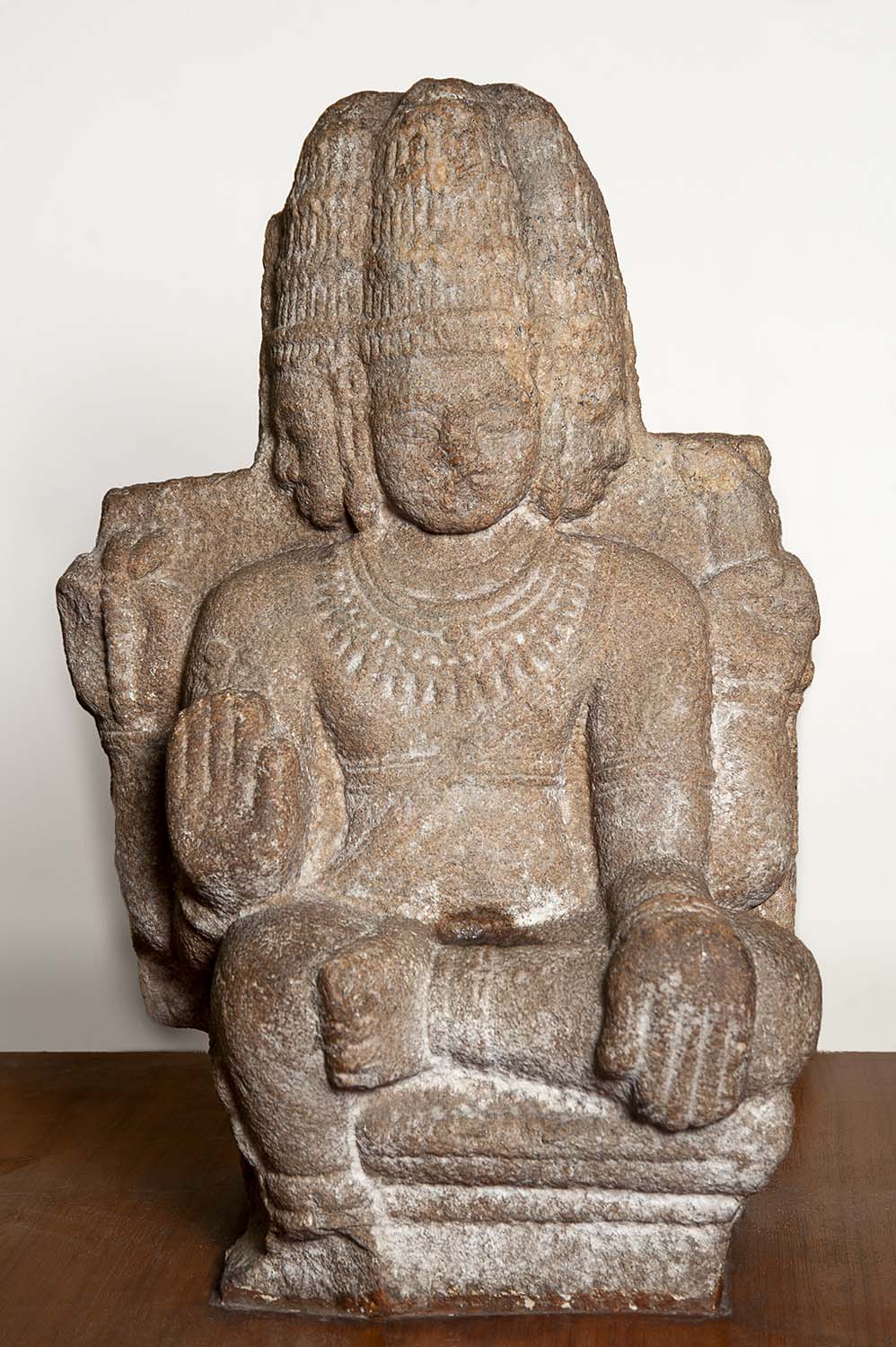
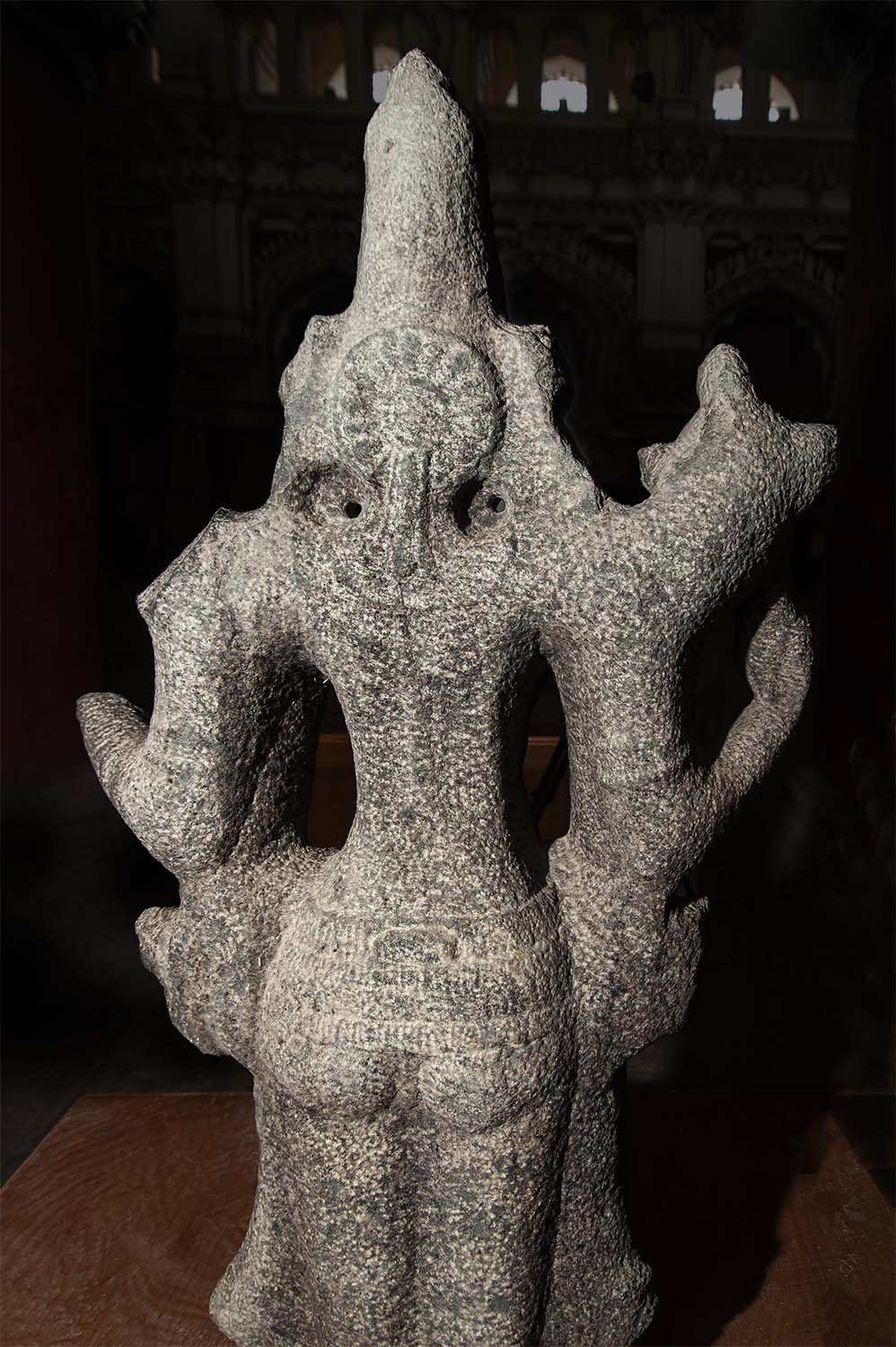
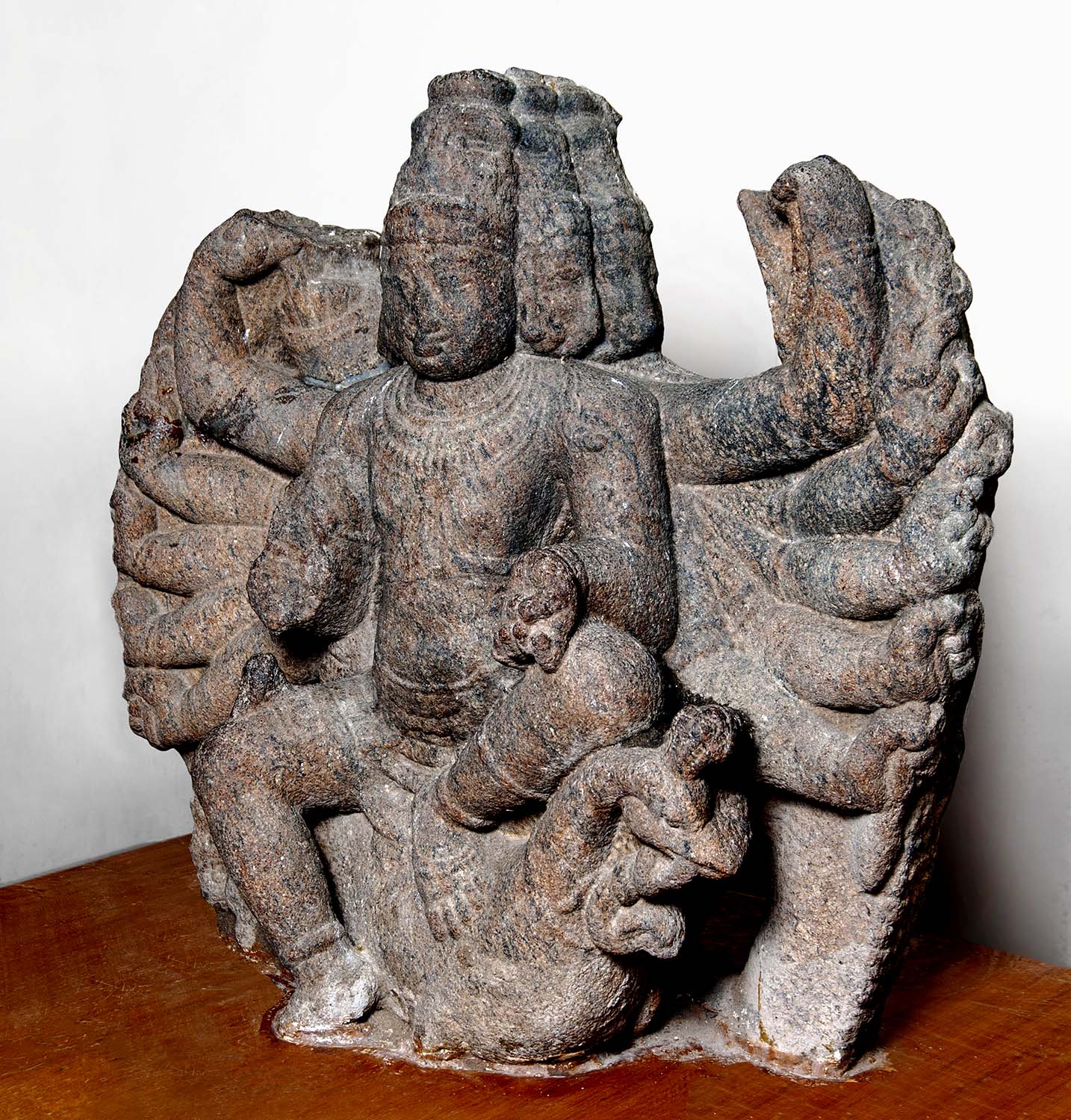
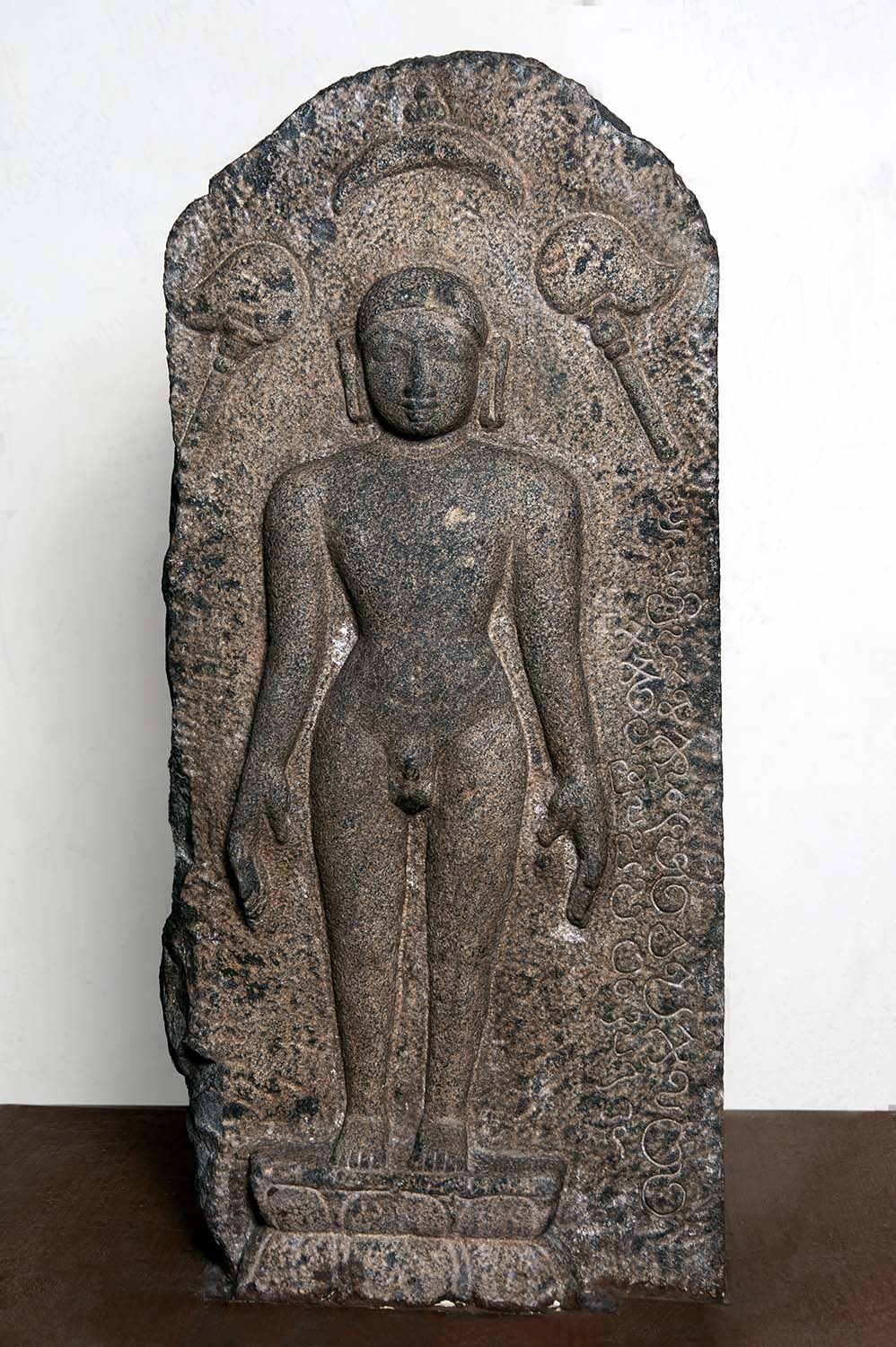
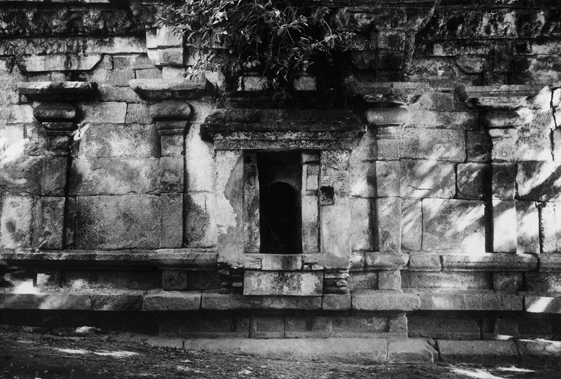
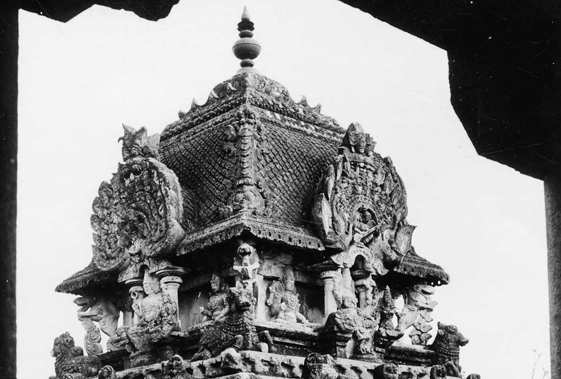
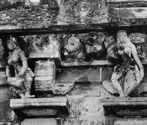
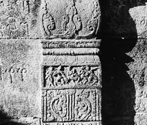
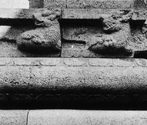
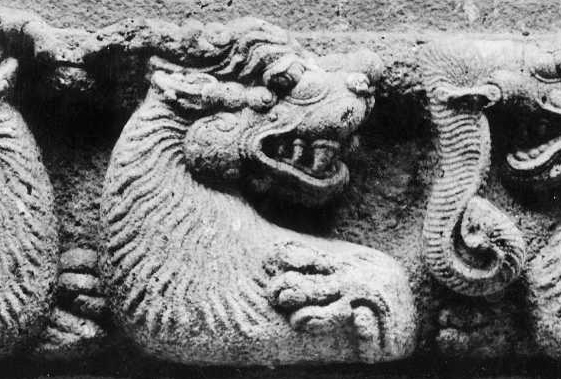
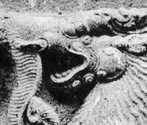
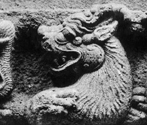
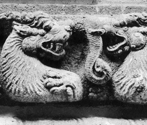
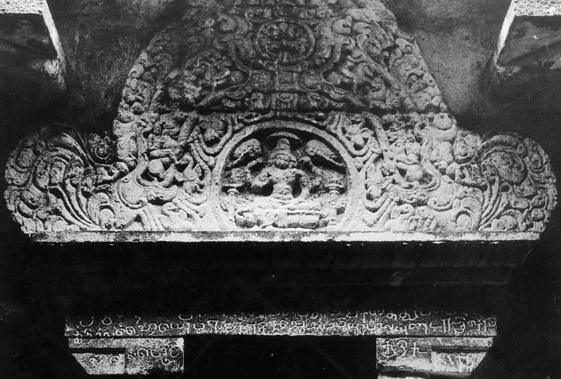
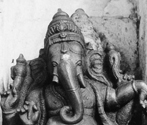
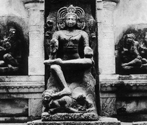
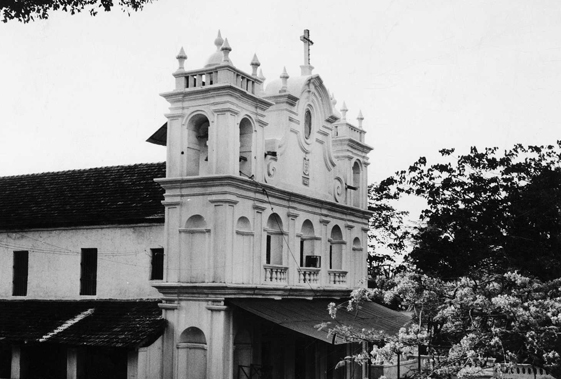
The Tiruverumbiyur Alvar temple at Tiruverumbur is of great antiquity. The legend says that Indra and other devas in the form of ants worshipped the Lord of the place and gained their salvation. Also Karan, brother of Trisiras (the three-headed son of Tvashta and grandson of Hiranyakashipu), the great eponymous hero of Tiruchy, assumed the form of an ant, adored the Lord and attained His grace. Besides, Lakshmi, Agni, Muruga, an Agastya are said to have worshipped the Lord and gained their salvation.
The existence of this temple in the seventh century is attested by the hymns of the Tamil saint Apppar but how far earlier the temple was in existence cannot be ascertained. There is conflicting evidence regarding the origin of the present temple in the early Chola period and it is difficult to unravel the chronology of the various inscriptions. A scholar has suggested that the temple was built by a Tattan Sendi on or before the fourth year of Aditya I and Sembiyan Vedi Velan made extensive additions to the temple in the days of Gandaraditya. The name of the deity of the temple is Aditta Bhattarar.
Reference: S.R. Balasubrahmanyam, 1966, pp.114-123.


 CENTER FOR ART AND ARCHAEOLOGY