Galleries

Jaigarh Fort, Jaipur, Rajasthan

Jaigarh Fort, Jaipur, Rajasthan

Collection type:

Galleries

Jain Temple, Ahar

Jain Temple, Ahar

Collection type:

Galleries

Jaipur Museum, Rajasthan

Jaipur Museum, Rajasthan

Collection type:

Galleries

Jal Mahal complex, Narnaul

Shah Quli Khan built this water pavilion garden after fifteen years from the construction of his mausoleum. This ambitious project is located in close proximity to the tomb complex of Bagh Arami-i-Kausar. Greater importance and architectural finesses is given to the pavilion now called the Jal Mahal, which was set in the middle of a large water tank with a garden enveloping the entire ensemble. The entrance to the pavilion is from north through a Gate House with rooms for the guards, constructed over a bridge rested on sixteen arched spans. The architecture of the pavilion reflects the emergence of “Hindu-Muslim-Akbaride” style. The decorative interiors of the pavilions are beautiful especially the painted ceiling which seems to have been adopted from some Rajput Palace, most probably of Amber near Jaipur. A temple building with a water tank attached to it was added at the north-east corner of the Jal Mahal Tank, during the 18th century AD. The Jal Mahal complex is a protected monument of ASI.

Collection type:

Galleries

Jal Mahal, Chittorgarh, Rajasthan

Jal Mahal, Chittorgarh, Rajasthan

Collection type:

Galleries

Jalanathesvara temple, Takkolam, Ta...

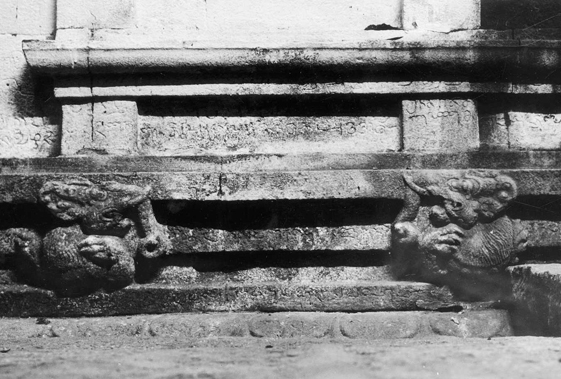
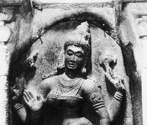
Takkolam is the site of the famous battle between Rajaditya and Krishna III in about 949 CE. Jalanathesvara (the Lord of Water) temple called Tiruvural in the ancient inscriptions on account of being a natural spring is one of the major monuments of this region. Its walls are engraved with many inscriptions of Parantaka I (907-954 CE) from the seventh regnal year to thirty-fifth and some inscriptions belong to Aditya I (871-907 CE). This temple in Tondaimandalam is not as developed as contemporary monuments in Colamandalam. On the basis of iconographical characteristics of the temple, it has been suggested that the temple's original patron must have been a Pallava. For example, the sculptures follow a Pallava convention in that they are four armed which is different from early Chola convention. References: D. Barrett, 1974, pp. 64-65.

Collection type: