


 CENTER FOR ART AND ARCHAEOLOGY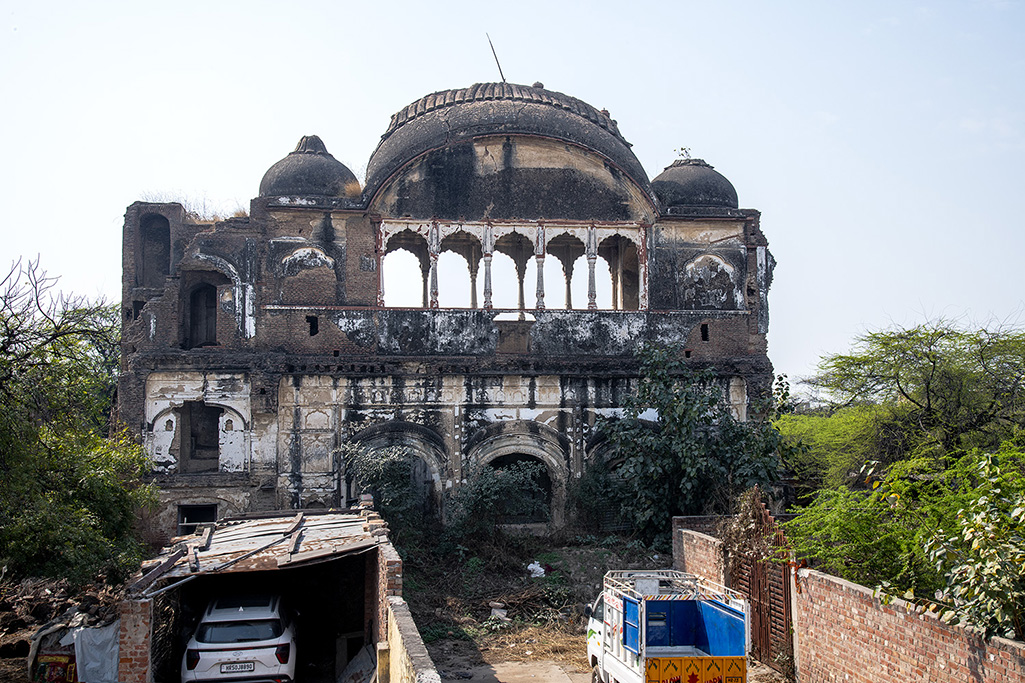
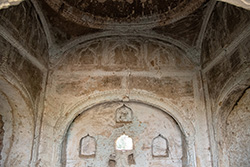
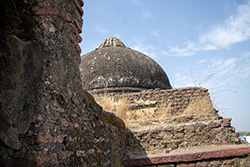
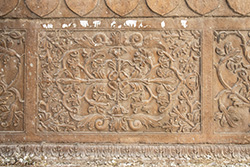
The Old Kacheri (also known as the Haveli of
Chaudhary Kashi Ram) is a late Mughal-period courthouse complex located at
Andooa Patti, Hodal, in Palwal district, Haryana. Tentatively dated to around
1750 CE and attributed to Chaudhary Kashi Ram Sorot, the structure appears to
have functioned as an izlaas khas (courtroom) or local judicial hall.
Constructed of lakhori bricks, sandstone, and lime mortar, the complex features
a prominent double-storeyed gateway on its northeast facade, reflecting
elements of late Mughal domestic and administrative architecture.



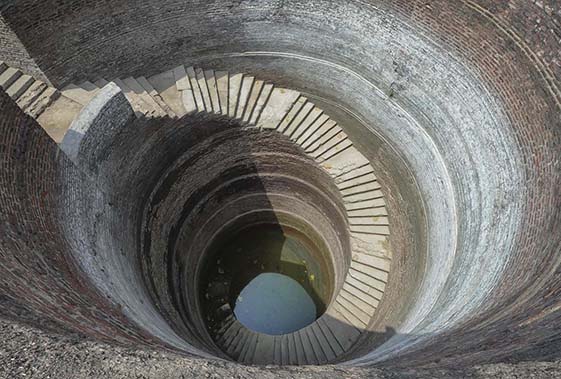
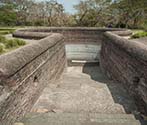
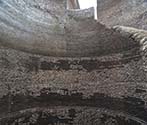
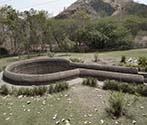
The Helical stepwell is situated at the foot of a hill near the town of Pavagadh. It is altogether a small monument, measuring in all not more than 19 metres. It consists mainly of the shaft of the well, and a short entrance staircase which leads into a spiral stairway. This spiral stairway is attached to the wall of the well and descends downwards like the ‘coils of a snake’. The idea of circumambulation is expressed in the spiral stairway. This stepwell reflects the very early stage of stepwell architecture.
Reference: Jain-Neubauer, Jutta. The Stepwells of Gujarat: In Art-historical Perspective, 2003.
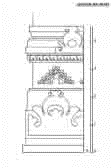
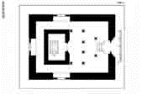


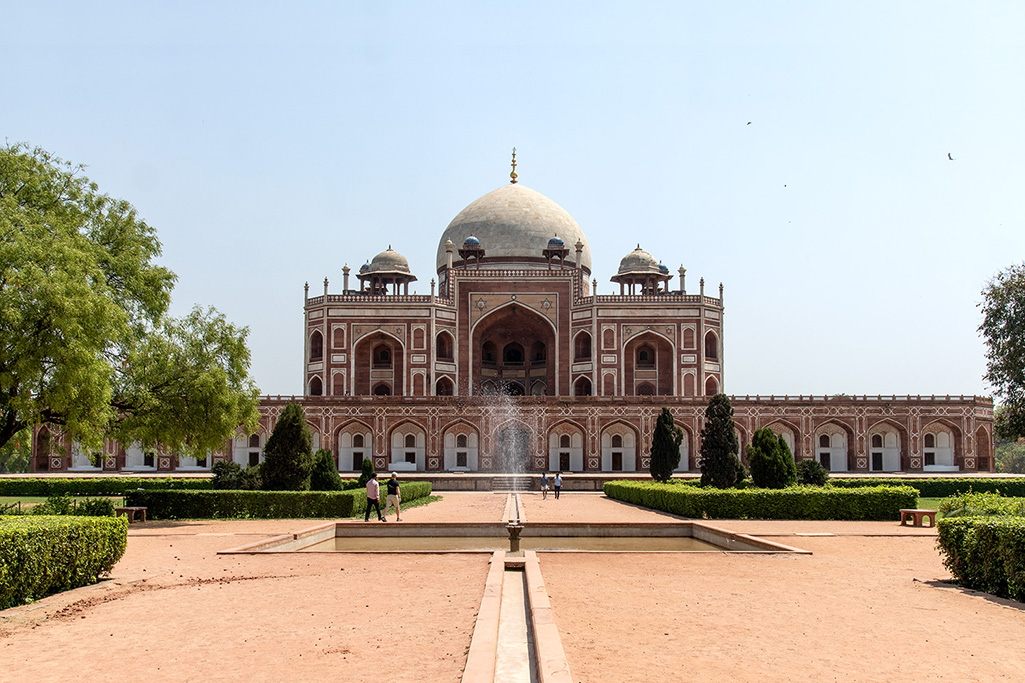
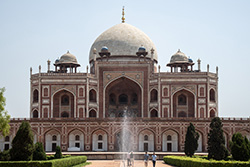
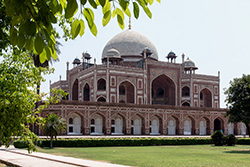
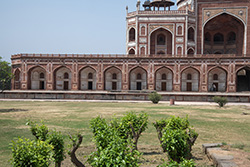
Humayun’s Tomb at Nizamuddin East, South-East Delhi, is a
Mughal-period imperial mausoleum commissioned by Biga Begam (Haji Begum), the
widow of Emperor Humayun, with construction beginning in 1565 CE under the
patronage of Emperor Akbar and designed by the architect Mirak Mirza Ghiyath.
Built of local quartzite, red sandstone, marble, lime mortar, and plaster, the
monument is protected by the Archaeological Survey of India (Delhi Circle) and
is a UNESCO World Heritage Site.