Galleries

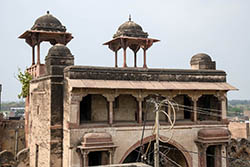
Akbari Sarai, Chhata, UP

A Mughal-period caravansarai or rest house located about 90 metres east of the old Grand Trunk Road, in Chhata, Mathura distric of Uttar Pradesh. Built between 1611 and 1615 CE, the sarai is mentioned by seventeenth-century travellers such as Steel, Crowther, and the French traveller V. Jacquemont, who described it as a large, fortified structure. Partly constructed under the patronage of Sher Shah Suri and later by Asaf Khan, it was likely completed under the orders of Emperor Jahangir. The sarai is a rectangular enclosure with high battlemented walls, octagonal corner towers, and imposing three-storeyed gateways. The monument is protected by the Archaeological Survey of India (Agra Circle); however, it has suffered considerable damage and alteration over time, including the loss of the southeast bastion during the 1857 mutiny and extensive reuse of its cells and gateways, though parts of the sarai remain occupied and a mosque within the enclosure continues to function.
 

Collection type:

Galleries

Alandurai Mahadeva temple, Kilappal...

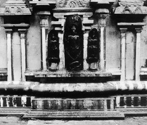
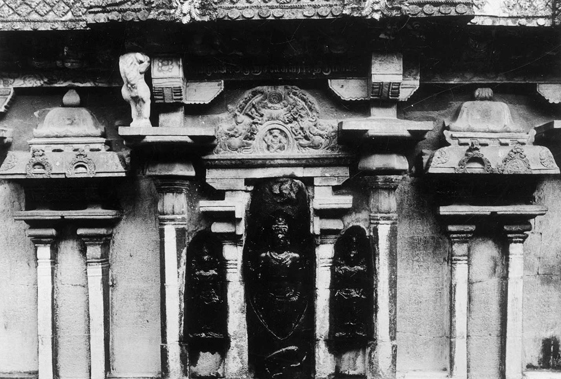
The Alandurai Mahadeva temple is the more ancient and famous of the two Shiva temples at Kilappaluvar; the other one is ‘Pasupatisvaram’. The Alandurai Mahadeva temple complex comprises of a shrine of the Goddess 'Aruntava-Nayaki’. The existence of the present stone structure goes back to Parantaka I (907-954 CE), which can be asserted, from the inscriptions on the temple walls from his regnal years. The most interesting feature of the temple is presence of bronze images of the sixty-three Tamil saints – Saiva Nayanars. References: S.R. Balasubrahmanyam, 1963, pp.28-33, S.R. Balasubrahmanyam, 1971, pp.292-293.

Collection type:

Galleries

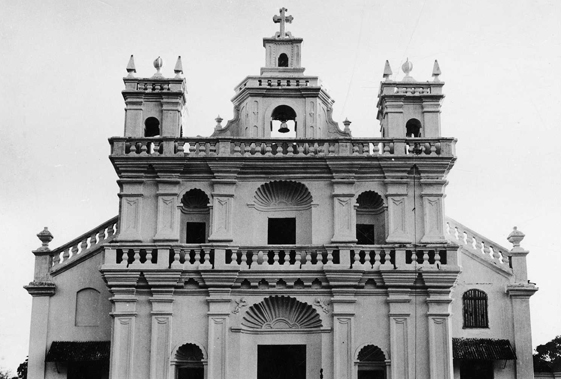
Aldona, Baroque Architecture, Goa

Aldona, Baroque Architecture, Goa

Collection type:

Galleries

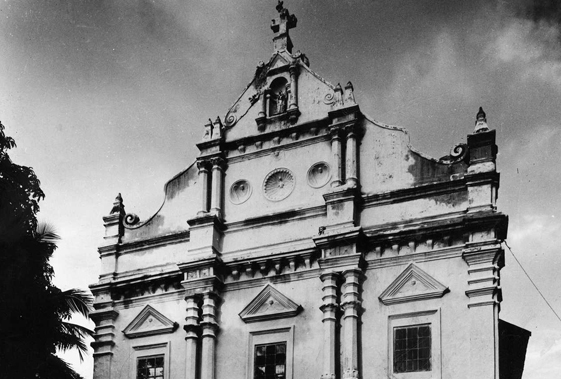
Alengadu, Baroque Architecture, Ker...

Alengadu, Baroque Architecture, Kerala

Collection type:

Galleries

Allahabad Museum, Sculpture

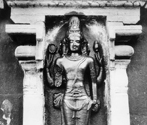
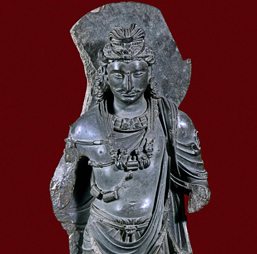
The museum houses a representative collection of stone sculptures from the Allahabad district and surrounding regions such as other parts of Uttar Pradesh, Madhya Pradesh and Bihar. The sculptures executed during 3rd century BCE through the 11th century of the Christ Era were discretely collected to be a part of this museum. This range covers examples of sculptural art of almost all historical periods that are of any significance to the study of Indian Art. In other words, the Allahabad Museum sculpture collection provides the most comprehensive overview of the Indian sculptural art through the ages.

Collection type:

Galleries

Allahabad Museum, Terracotta

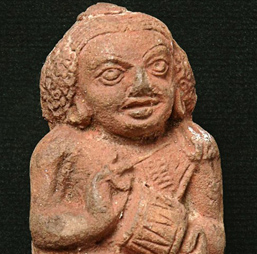
The enormous collection of terracotta art of the Allahabad Museum allows us a deep insight into the socio-cultural life of Kausambi and other nearby archaeological sites, examples from where are largely included in this collection. The objects demonstrate a wide variety of themes depicted in clay, ranging from the images of deities to royal couples, mythological stories, common beings, toys, animals, portrait heads and even rare depiction of human anatomy. The objects were recovered from different cultural layers during excavation of Kausambi and other sites in and around Allahabad region.

Collection type: