Galleries

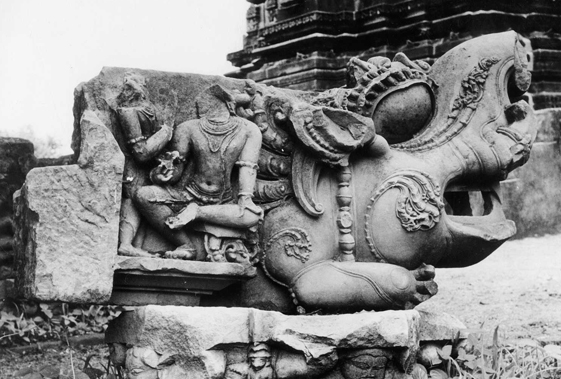
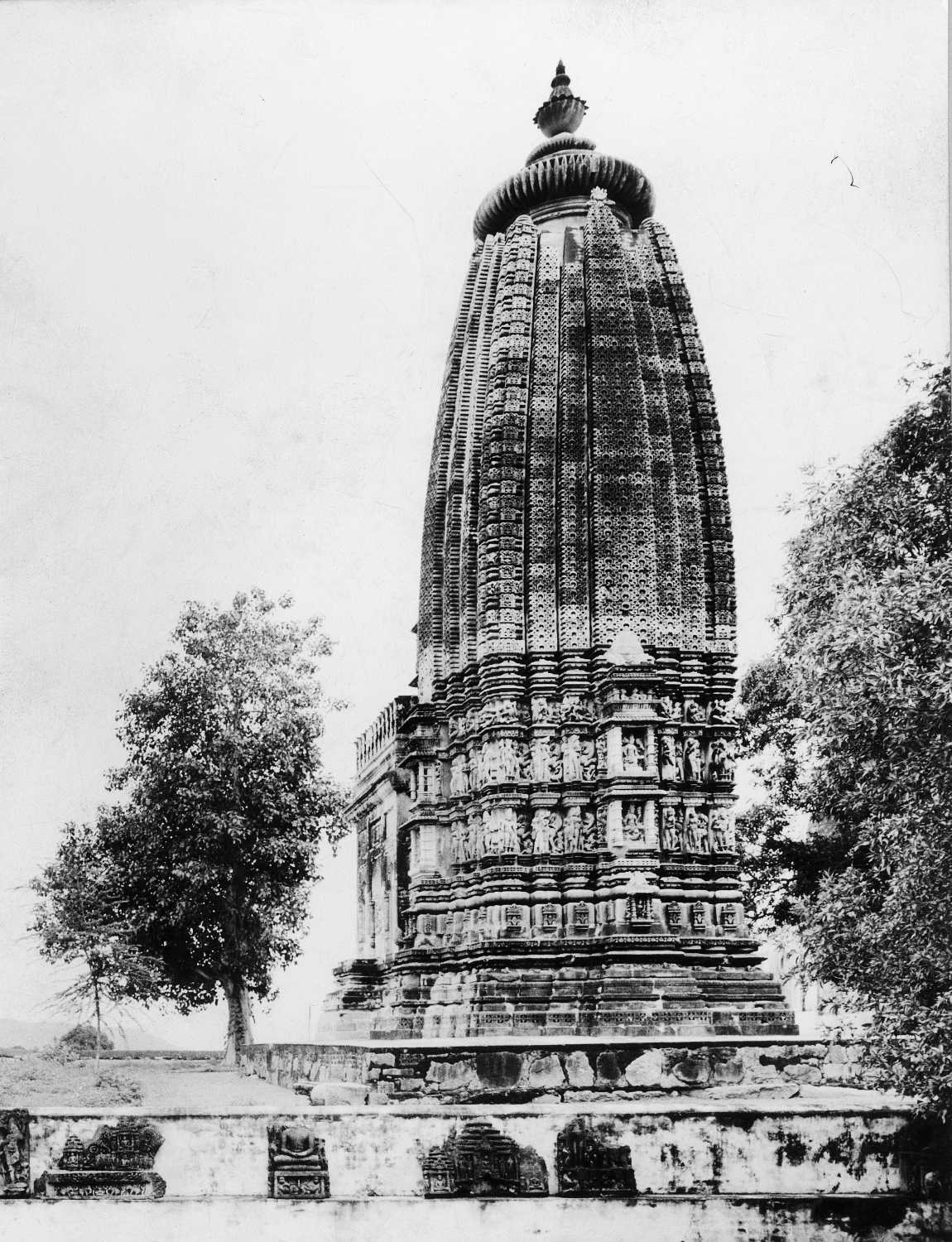
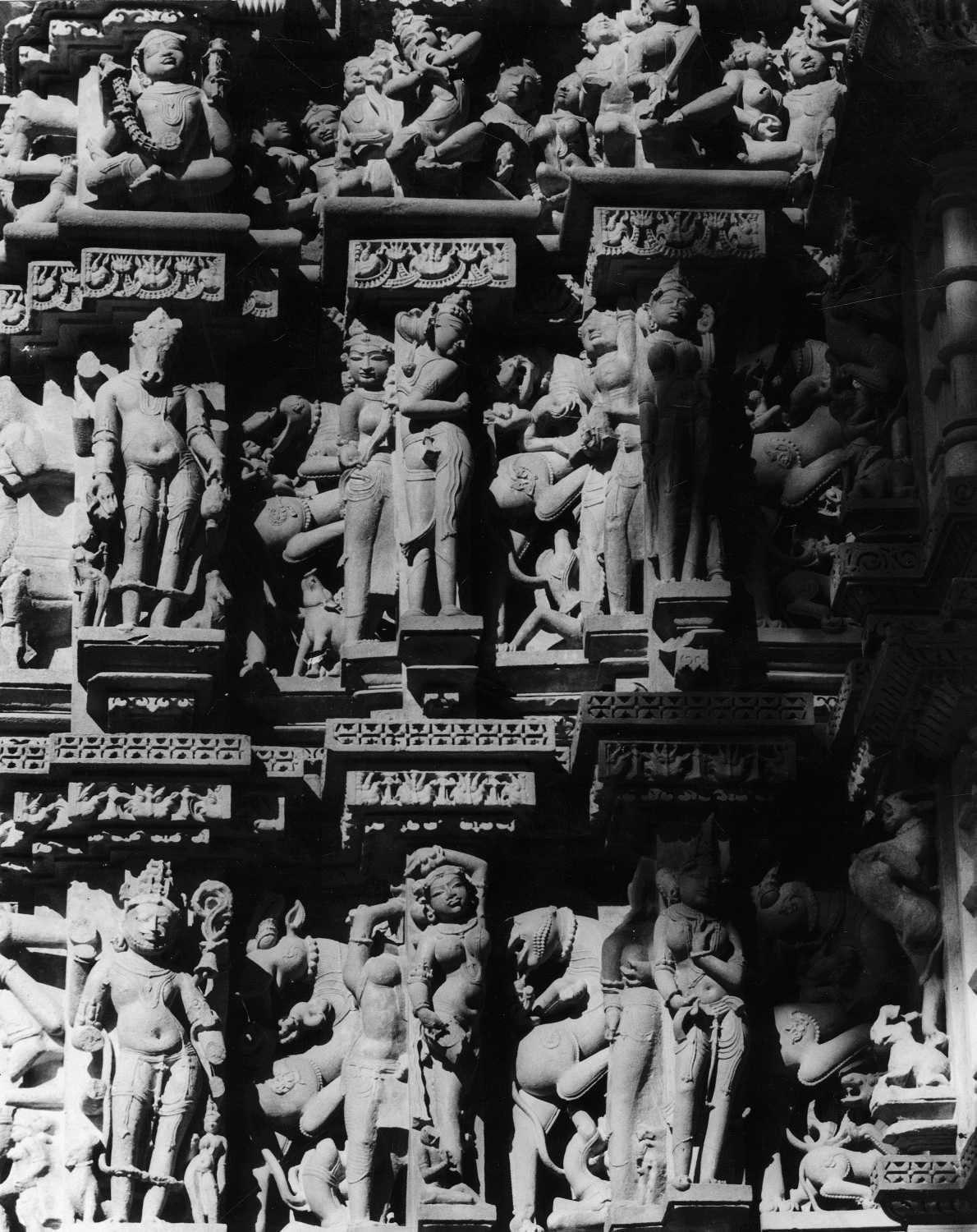
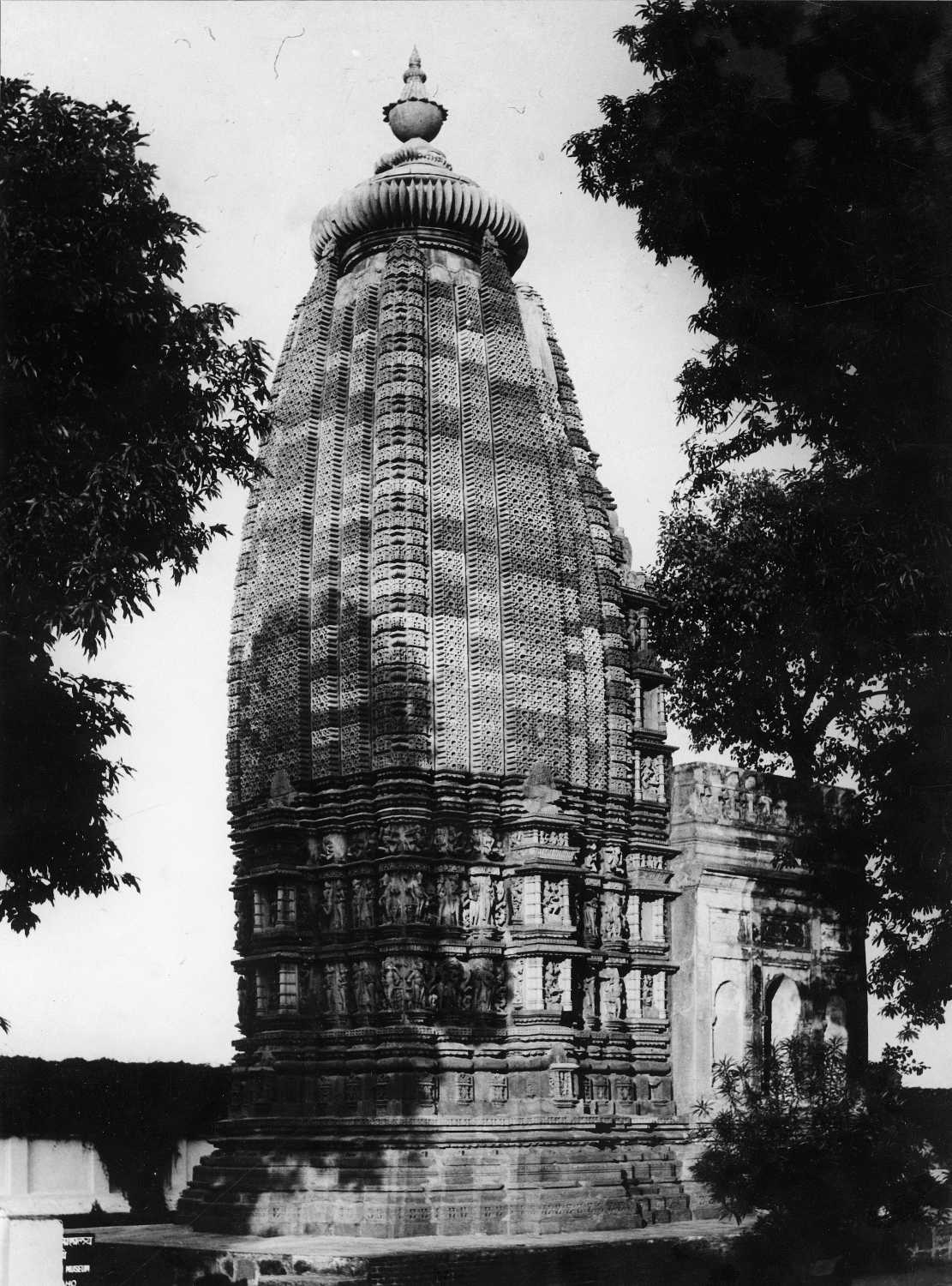
Adinatha temple, Khajuraho

Adinatha temple, Khajuraho

Collection type:

2 Galleries

Adoni, Kurnool, Andhra Pradesh

Adoni, Kurnool, Andhra Pradesh

Collection type:

166 Galleries

AFCP 2023-25, Documentation of 16th...


Collection type:

Galleries

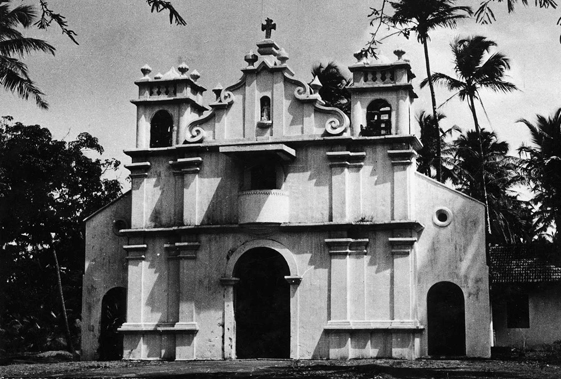
Agacaim, Baroque Architecture, Goa

Agacaim, Baroque Architecture, Goa

Collection type:

Galleries

Agastisvara Siva temple, Panangudi,...

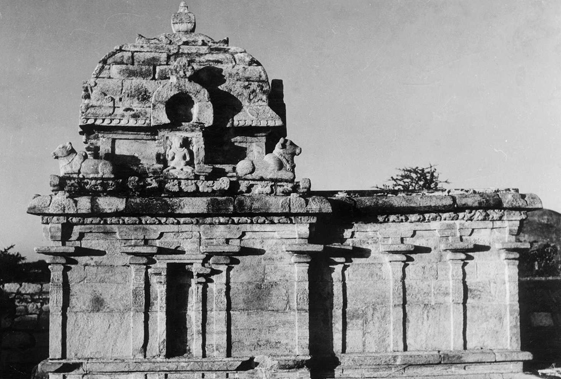
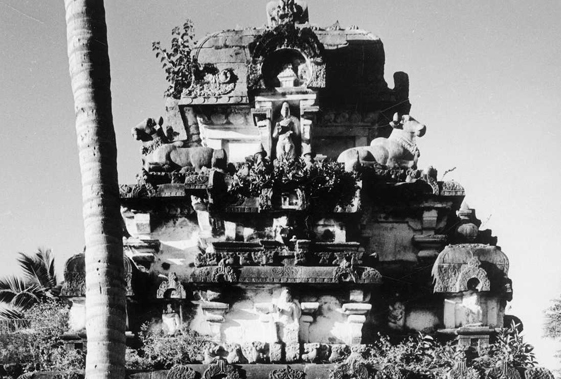
The Agastisvara Shiva temple at Panangudi, though of the simplest design, is fully realized. It is built of stone from the basement to the finial (stupi). It is single-storied and complete with its original tower – crowning cupola (sikhara) and stupi. Much of the figures are now lost, for example, the door guardians (dvarapalikas) and the divinity niches’ (devakoshta) images are missing and there is little evidence of style that can be derived from the surviving four small images and therefore a precise date cannot be inferred. However, on the north wall of the temple, there is an inscription of year 14 of a Parakesari in an early script so this temple has been attributed to the time of Vijayalaya (850 – 871 CE) (the earliest Chola king having the tile of Parakesarivarman is Vijayalaya). The temple also bears inscriptions from the reign of Kulottunga III (1178–1218 CE) and a Pandyan king Maravarman Kulasekhara (c.?1268 – c.?1308 CE). References: D. Barrett, 1974, p.47, S.R. Balasubrahmanyam, 1966, pp.54-56.

Collection type:

Galleries

Agastisvara temple, Kilaiyur, Tiruc...

The Agastisvara temple is the larger of the two twin shrines of the Avani-Kandrapa-Isvaram temple at Kilaiyur belonging to the reign of Aditya I (871-907 CE). The other one is called the Colisvara temple. The earliest incontrovertible inscriptions on this temple are dated in Parantaka I's years (907 - 954 CE) though it has also been suggested that there are at least three inscriptions that belong to Aditya I's time. The stone of the main building is granite and that of the hall is a corrosive yellow stone. The names of the donors are inscribed on the pillars. The shrine is a prototype of early Chola art. The scrollwork over the jambs and lintels of the doorway is most ornamental. Another interesting feature is that the superstructure (vimana) is square and with a square finial (stupi) unlike its twin shrine that has a circular vimana and stupi. References: S.R. Balasubrahmanyam, 1963, pp.13-20; M.W. Meister and M.A. Dhaky, EITA, Lower Dravidadesa, Text, 1983, 215-18.

Collection type: