CENTER FOR ART AND ARCHAEOLOGY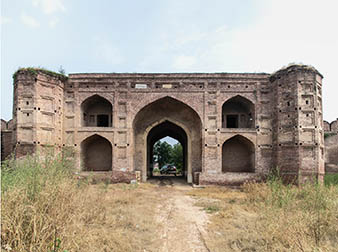
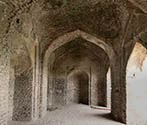
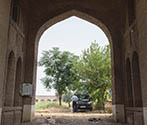
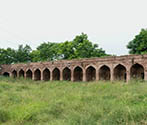
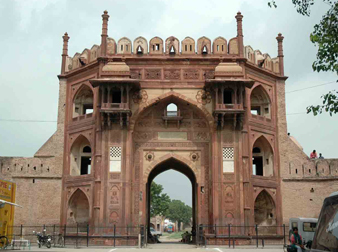
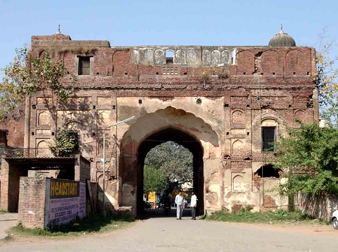
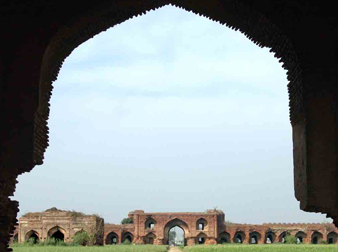
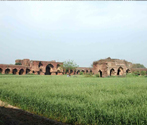
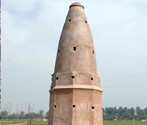
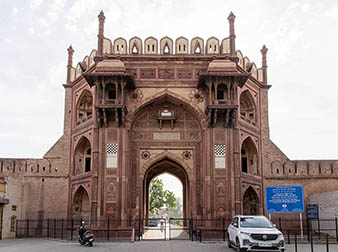
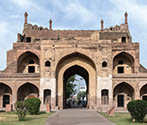
Sarai Lashkar Khan is a late Mughal caravansarai
or rest house located near Kot Panaich in Ludhiana district of Punjab,
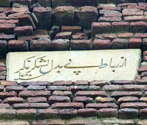
approximately 300 metres southwest of the Grand Trunk Road. An inscription on
the eastern gateway records its construction in 1080 AH (1669–70 CE) by Lashkar
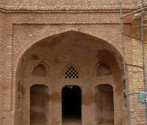
Khan, a Mughal military general under Emperor Aurangzeb. Built of lakhori
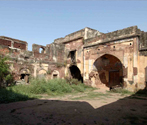
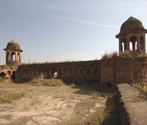
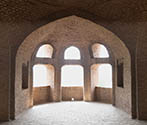
bricks with red sandstone and lime mortar, the sarai is planned as a square
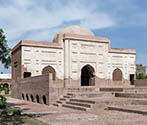
enclosure with double-storied gateways, octagonal bastions, rows of cells, a
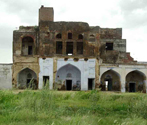
mosque in the southern half of the courtyard, and two wells. The monument is
protected by the Department of Cultural Affairs, Archaeology and Museums,
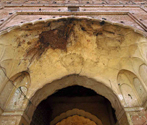
Punjab and survives in generally good condition, set within an open rural
landscape, with minor surface weathering and vegetation growth visible.
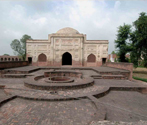
Sarai Nurmahal is a Mughal-period rest house
located to the south of Nurmahal town in Jalandhar district of Punjab. An
inscription records its construction between 1028–1030 AH (1618–21 CE) under
the patronage of Nur Jahan Begum, through her governor, Nawab Zakariya Khan.
Planned as a square enclosure with octagonal corner bastions, the sarai
features a monumental western gateway richly carved with figural, floral, and
geometric motifs, as well as a mosque and a hammam within the courtyard. Today,
the monument is under the Archaeological Survey of India (Chandigarh Circle) with
portions adapted for public use.