Galleries

Mughal Sarai, Sultanpur Lodhi, Punj...

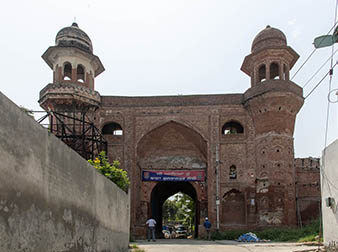
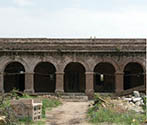
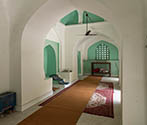
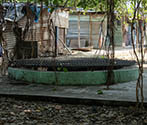
This Mughal-period sarai or rest house is located in the centre of Sultanpur Lodhi, to the south of the Kali Bein river and east of the Sultanpur–Kapurthala road in Kapurthala district of Punjab. Although it bears no inscription, stylistic features place its construction in the seventeenth century, likely during the reign of Shah Jahan (r. 1628-58). Built of lakhori bricks set in lime mortar, the sarai originally comprised a rectangular enclosure with corner bastions, a monumental northern gateway, traveller cells, wells, and a mosque within the courtyard. The monument is protected by the Department of Cultural Affairs, Archaeology and Museums, Punjab and survives in a heavily altered state, with only fragments of the original structure remaining. A portion of the sarai was being used as a police station and as a dumping ground for scrap vehicles.
Collection type:

Galleries

Muktesvara Group of Temples, Bhuban...

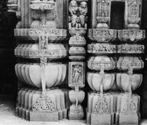
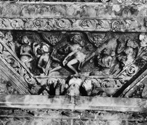
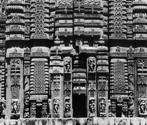
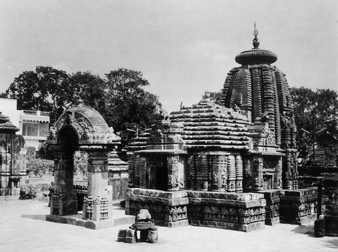
Muktesvara Group of Temples, Bhubaneswar, Odisha

Collection type:

Galleries

Muktinathesvara temple, Binnamangal...

Muktinathesvara temple, Binnamangala, Karnataka

Collection type:

Galleries

Mulanthuruthy, Baroque Architecture...

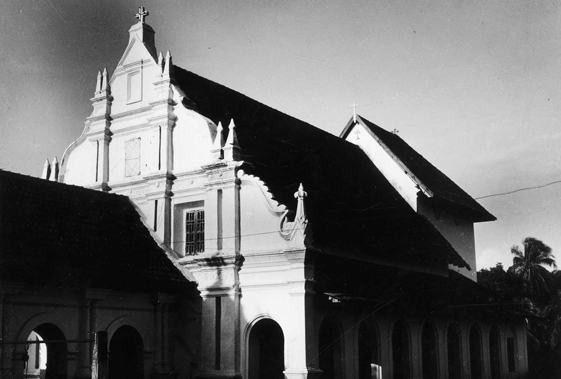
Mulanthuruthy, Baroque Architecture, Kerala

Collection type:

Galleries

Mulesvara Mahadeva Temple, Padan, G...

Mulesvara Mahadeva Temple, Padan, Gujarat

Collection type:

Galleries

Mullaivanesvarar temple, Tirukkuruh...

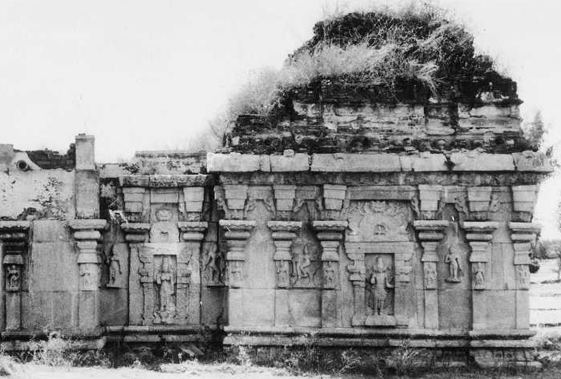
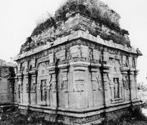
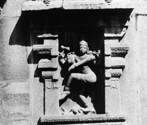
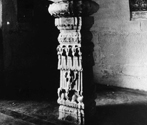
The temple of Tirukkuruhavur dates back at least to the days of the Devaram hymnists Appar and Sambandar. The local legends mention the succour given by the Lord to a child in the womb of a helpless woman. Hence the name Tiruk-karu-kavur – the abode of One Who saved a child still in the mother’s womb. The present temple dates back to the time of Parantaka I (907 - 954 CE). His earliest inscription here is that of his fourteenth regnal year. The original temple consisted of the sanctum sanctorum (garbagriha) and the half hall (ardhamandapa). An entrance porch (mukhmandapa) was added in the later Chola period. On the north side of this mandapa is a shrine for Natraja fashioned in the shape of a chariot. On the northern side of the main shrine there is a separate Amman shrine, which should be assigned to the later Chola period. The inscriptions show that this temple is dedicated to Shiva and Vishnu. The Siva temple itself might have been a foundation even of the days of Aditya I (871-907 CE). References: S.R. Balasubrahmanyam, 1971, pp. 54-56.

Collection type: