


 CENTER FOR ART AND ARCHAEOLOGY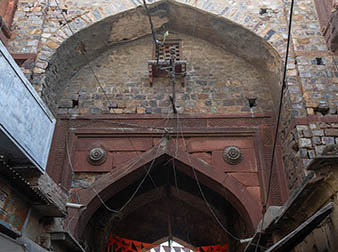
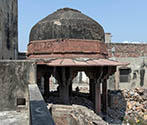
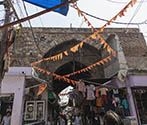
The Sarai Kosikalan is a Mughal-period sarai or
rest house located in the town of Kosikalan in Mathura district of Uttar
Pradesh. It stands to the west of the old Grand Trunk Road, just south of the
local police station. The sarai is likely the same place referred to as
“Cotki-sera” by the French traveller Jean-Baptiste Tavernier and was probably
built between 1615 and 1666 CE. Constructed using lakhori bricks, red
sandstone, and lime mortar, the sarai is square in plan with octagonal corner
towers and gateways on the east, west, and south sides. The monument is
protected by the Archaeological Survey of India (Agra Circle), but over time it
has been heavily altered. Modern buildings now surround the structure, and many
of the original rooms have been changed or reused as shops, making it difficult
to understand the sarai in its original form.
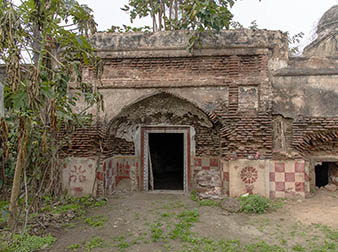
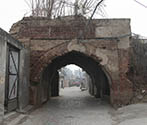
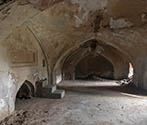
Sarai Nurdi is a small Mughal-period caravansarai
(rest house) located in the centre of Nurdi village, south of the Chabal–Attari
Road in Tarn Taran district of Punjab. According to historical accounts, the
sarai was constructed between 1606 and 1608 CE by Amir al-Din, son of Nur
al-Din Quli Isfahani, who served as kotwal of Lahore in the early seventeenth
century. Built of lakhori bricks with glazed tiles and lime mortar, the sarai
was modest in scale and architectural treatment, comprising a simple gateway,
enclosure walls, and a mosque with an undecorated facade. The monument is
unprotected and survives in a severely dilapidated condition, with only the
eastern gateway, parts of the mosque, and fragments of the enclosure walls
remaining.
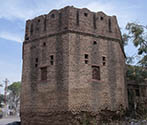
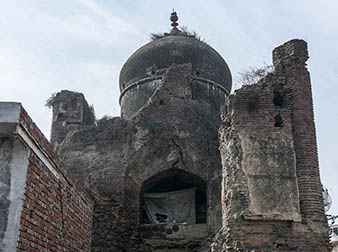
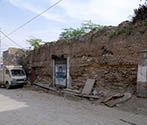
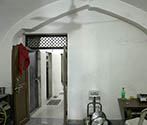
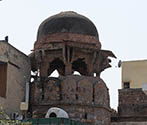
Sarai Aajmabad is a Mughal-period caravansarai or rest house located to the east of the Grand Trunk Road in the northern part of Mathura town in Uttar Pradesh. Probably founded between the 1642-1645 CE by Azam Khan Mir Muhammad Bakir (also known as Iradat Khan), the sarai was constructed using lakhori bricks, red sandstone, and lime mortar. Now unprotected, the site survives only in fragments, including parts of the eastern wall, a semi-octagonal bastion, modified sarai cells, and a mosque within the enclosure, reflecting significant damage, alteration, and loss over time.



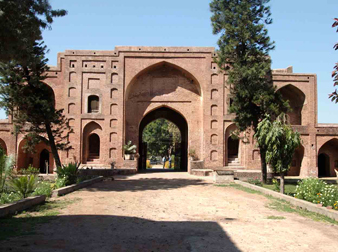
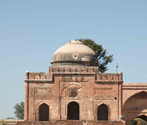
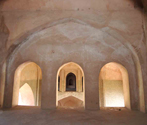
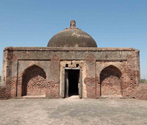
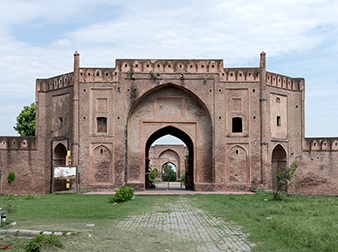
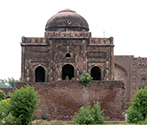
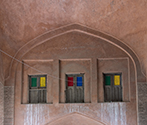
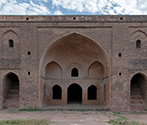
Sarai Shambhu is a Mughal-period caravansarai
or rest house located at Shambhu in Patiala district of Punjab, approximately
100 metres north of the old Grand Trunk Road. Although no inscription records
its patronage, architectural evidence suggests that the sarai was constructed
in the first quarter of the seventeenth century, likely during the reign of
Jahangir. Built primarily of lakhori bricks set in lime mortar, the sarai is
planned as a rectangular fortified enclosure with double-storied gateways on the
east and west, octagonal corner bastions, and semi-circular bastions
reinforcing the northern and southern walls. Rows of traveller cells line the
interior, and a mosque raised on a platform occupies the central area of the
enclosure. The monument is protected by the Department of Cultural Affairs,
Archaeology and Museums, Punjab and survives in good condition, with minor
surface deterioration and signs of vandalism visible in places.