


 CENTER FOR ART AND ARCHAEOLOGY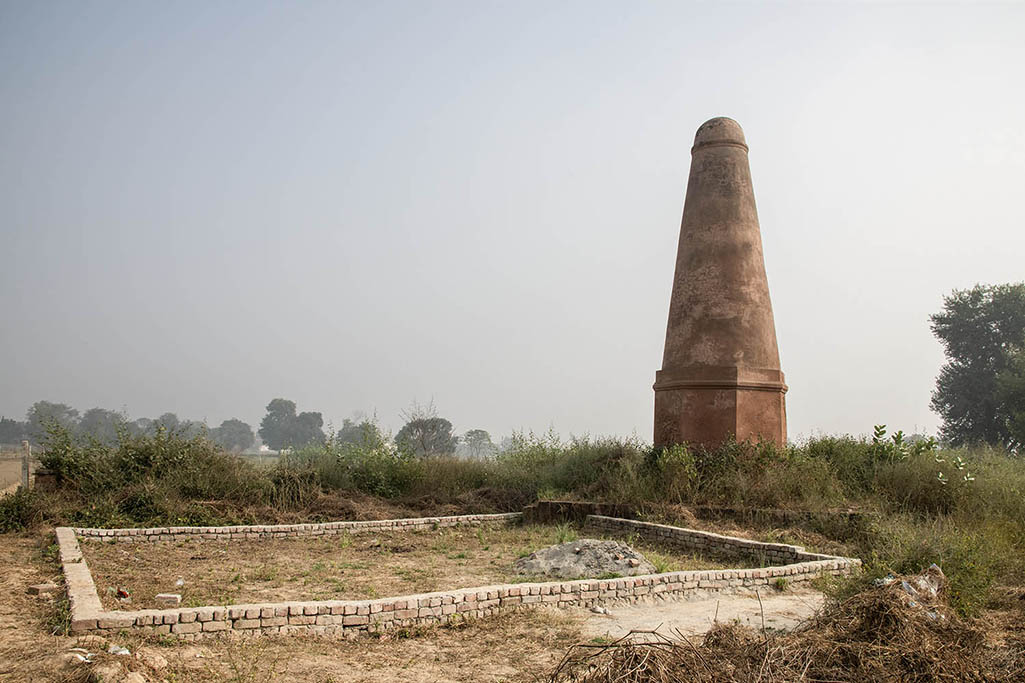
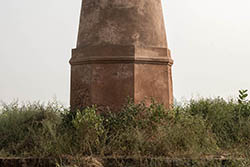
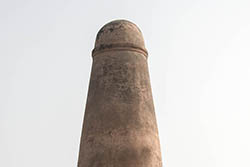
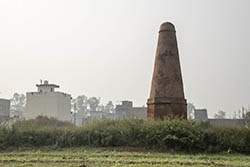
The Kos Minar at Baiyanpur/Madhupur, Sonipat
district of Haryana, is a Mughal-period distance marker built between 1600 and
1699 CE with lakhori bricks bonded with lime mortar. The monument is protected
by the Archaeological Survey of India (Chandigarh Circle).
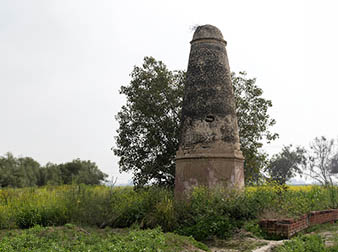
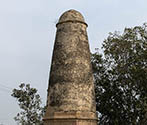

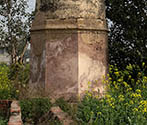
This Kos Minar is a Mughal-period octagonal
distance marker located in agricultural fields to the west of the Tarn
Taran–Kapurthala Road in Tarn Taran district of Punjab. Constructed in the
seventeenth century, it is built of lakhori bricks set in lime mortar. The
monument is listed as protected by the Department of Cultural Affairs,
Archaeology and Museums, Punjab and survives with visible surface deterioration
and vegetation growth.
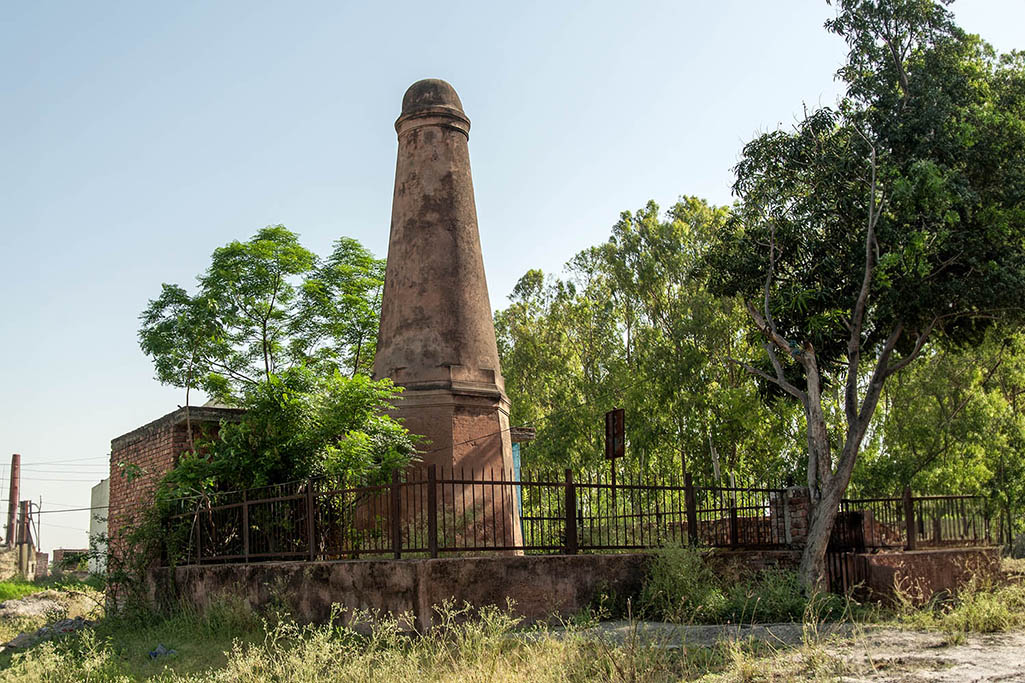
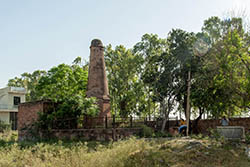
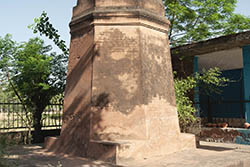
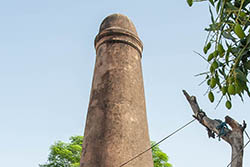
The Kos Minar at Bhawani Khera, Kurukshetra district, Haryana, is a
Mughal-period distance marker constructed between 1600 and 1699 CE with lakhori
bricks bonded with lime mortar. The monument is protected by the Archaeological
Survey of India (Chandigarh Circle).
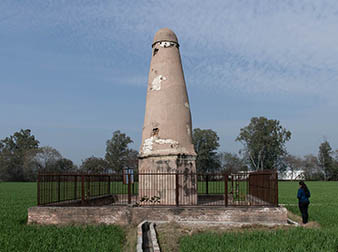
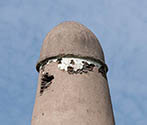
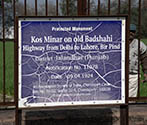
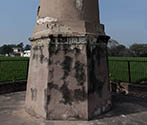
Kos Minar, Bir Pind, Punjab This Kos Minar is a Mughal-period octagonal distance marker located in agricultural fields to the south of the Nurmahal–Nakodar road in Bir Pind in Jalandhar district of Punjab. Constructed in the seventeenth century, it is built of lakhori bricks set in lime mortar. The monument is protected by the Archaeological Survey of India (Chandigarh Circle) and survives in good condition, with fencing around the structure.
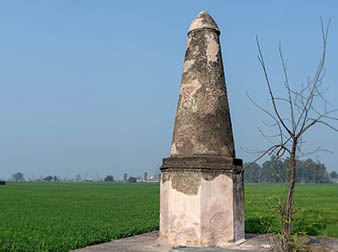
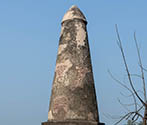

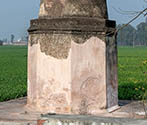
This Kos Minar is a Mughal-period octagonal
distance marker located along the Chabal–Rajataal Road at Burj village in Tarn
Taran district of Punjab, adjacent to the Old Grand Trunk Road amid
agricultural fields. Constructed in the seventeenth century, it is built of
lakhori bricks set in lime mortar. The monument is unprotected and survives in
good condition, with minor surface blackening and limited loss of plaster
visible.
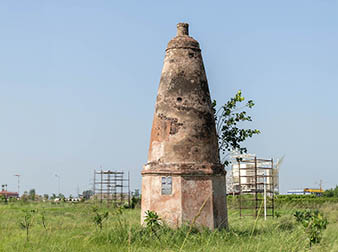
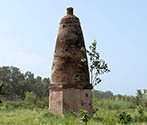
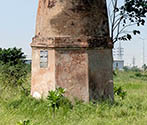
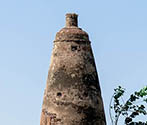
The Kos Minar at Chamaru in Patiala district
of Punjab is a Mughal-period distance marker. Built of brick and lime mortar,
the minar follows the standard octagonal–cylindrical form with a cylindrical
finial at the top. The structure dates to the seventeenth century and is
protected by the Archaeological Survey of India (Chandigarh Circle).