


 CENTER FOR ART AND ARCHAEOLOGY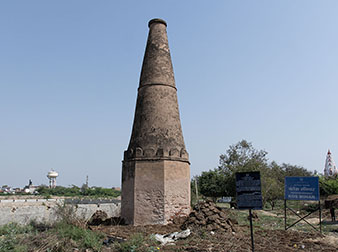

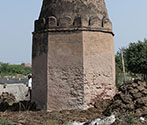

A Mughal-period distance marker located about
150 metres east of the Grand Trunk Road in the northern part of Chaumuha town,
Mathura district of Uttar Pradesh. Probably constructed in the 17th century CE,
the octagonal structure is built of lakhori bricks with lime mortar and plaster
and stands on a brick platform, with carved merlons on the octagonal base and a
ring moulding on the cylindrical shaft; unlike most Kos Minars, its top is flat
rather than rounded. The monument is protected by the Archaeological Survey of
India (Agra Circle). At the time of photography in 2025, it was being used by
locals for drying and storing cow dung cakes.
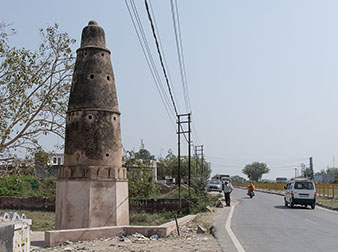
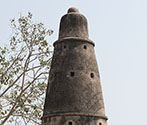
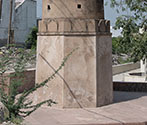
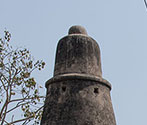
A Mughal-period distance marker located east
of the Grand Trunk Road in the southern part of Chhata town in Mathura district
of Uttar Pradesh. Probably constructed in the 17th century CE, the octagonal
structure is built of lakhori bricks with lime mortar and plaster, with carved
merlons on the octagonal base and two ring mouldings on the tapering
cylindrical shaft. The monument is protected by the Archaeological Survey of
India (Agra Circle).
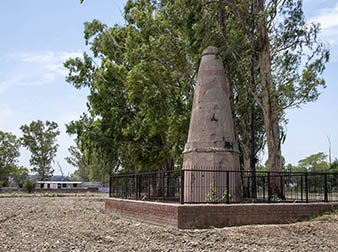
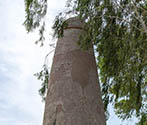
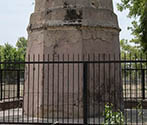
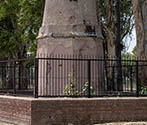
Located near the road connecting Nurmahal and
Bilga in Chima Kalan in Jalandhar district of Punjab, this Kos Minar is a
distance marker on the Grand Trunk Road. Constructed of brick and lime mortar,
the octagonal pillar rises from a low platform and is enclosed by later
boundary treatment. The monument is protected by the Archaeological Survey of
India (Chandigarh Circle) and remains structurally intact and reasonably well
preserved.
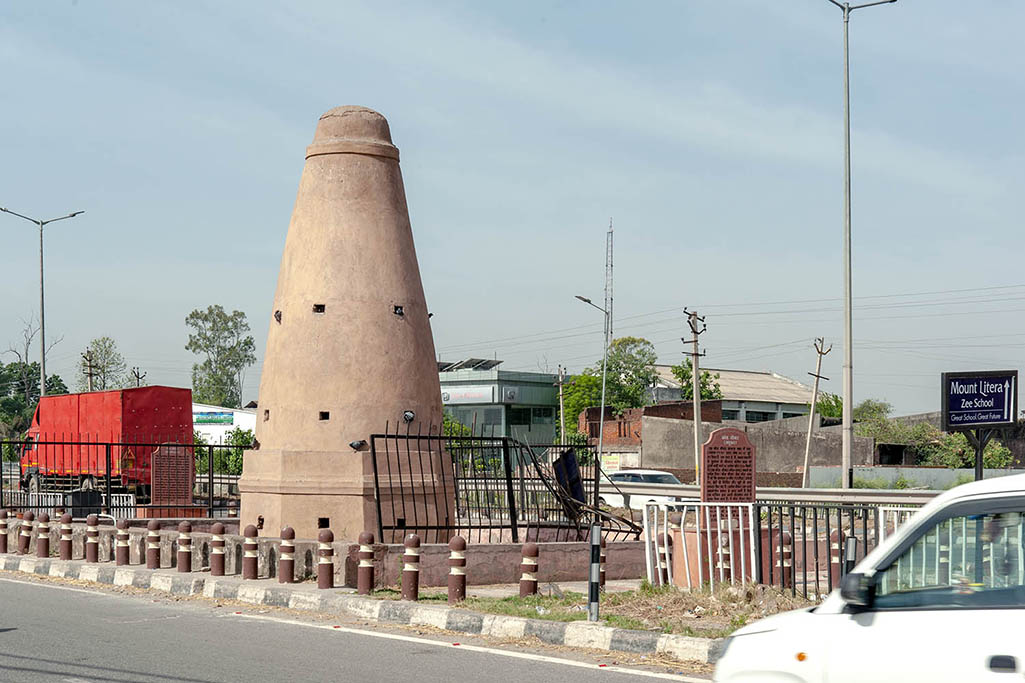
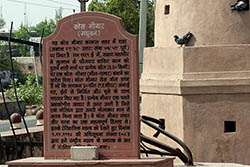
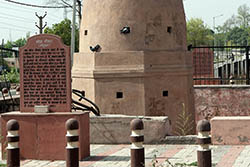
The Kos Minar at Daha, Karnal district,
Haryana, is a Mughal-period distance marker built between 1600 and 1699 CE with
lakhori bricks bonded with lime mortar. The monument is protected by the
Archaeological Survey of India (Chandigarh Circle).
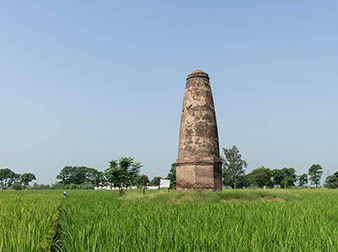
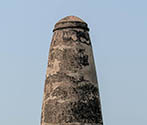

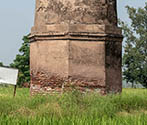
The Kos Minar at Dhadda Khanpur in Jalandhar
district of Punjab is a Mughal-period octagonal distance marker dating to the
seventeenth century. Constructed of lakhori bricks set in lime mortar, it
formed part of the Mughal road network along the Agra–Lahore route. The
monument is protected by the Archaeological Survey of India (Chandigarh Circle)
and survives in good condition amidst fields.
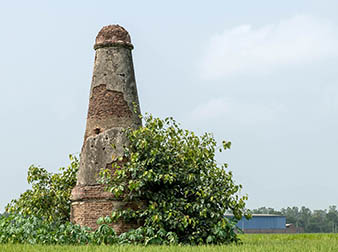
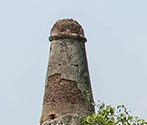
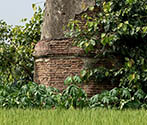
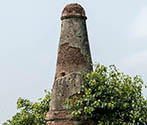
The Kos Minar at Dode in Tarn Taran district
of Punjab is a Mughal-period octagonal distance marker located in a rural
setting. The structure is unprotected and survives in a weathered condition.