


 CENTER FOR ART AND ARCHAEOLOGY

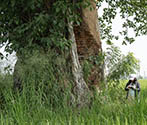
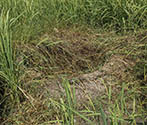
This Kos Minar is a seventeenth century Mughal-period
distance marker located in agricultural fields to the west of Karamjitpur
village in Kapurthala district of Punjab. The structure has an octagonal base
with a tapering cylindrical shaft and is built of lakhori bricks. The monument
is unprotected and survives in a deteriorated condition, with exposed brickwork
and extensive overgrowth of peepal and banyan roots; a small well is located
nearby.
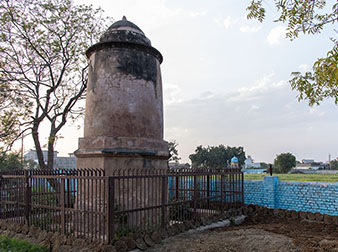
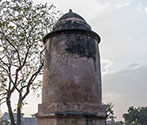

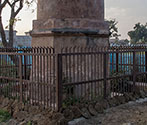
A Mughal-period distance marker located at
Kiraoli in Agra district of Uttar Pradesh. Probably constructed between 1600
and 1699 CE, the octagonal tower is built of lakhori bricks set in lime mortar.
The monument is protected by the Archaeological Survey of India (Agra Circle).
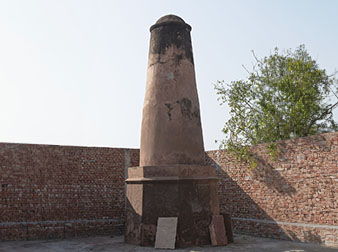
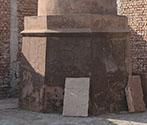
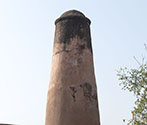
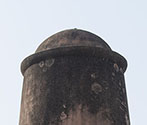
A Mughal-period distance marker located about 120 metres north of the Grand Trunk Road at Kitham, Agra district of Uttar Pradesh. Probably constructed in the 17th century CE, the octagonal structure is built of lakhori bricks with lime mortar and plaster. The monument is protected by the Archaeological Survey of India (Agra Circle).
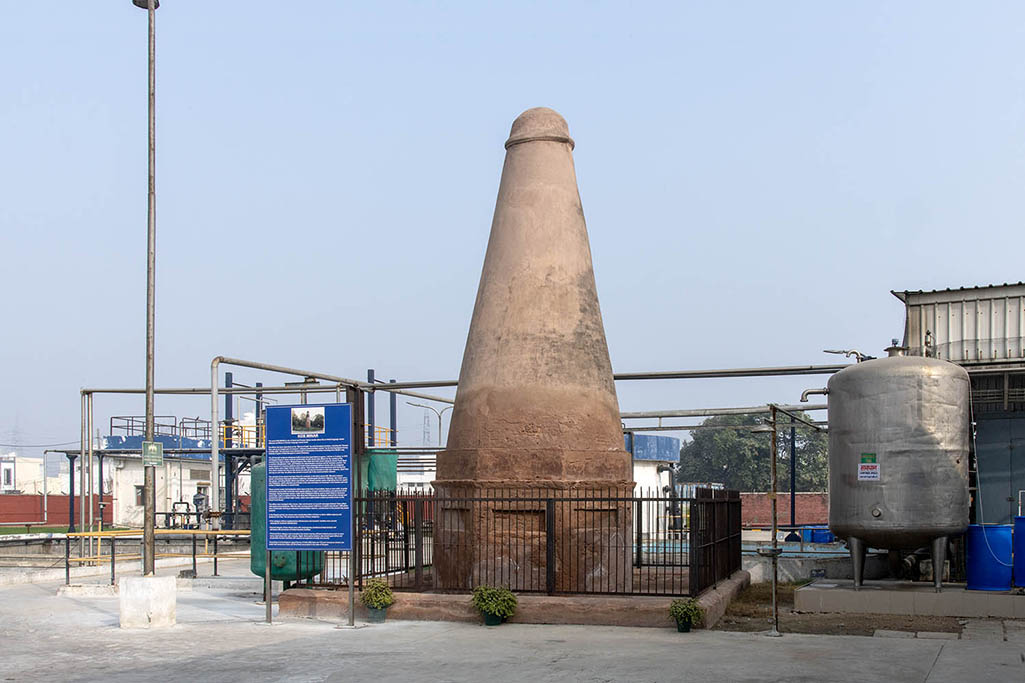
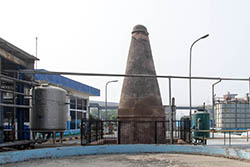
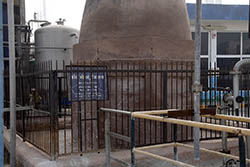
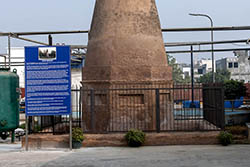
The Kos Minar at Kiwana, Panipat district, Haryana, is a Mughal-period
structure dating to c. 1600–1699 CE. Constructed of lakhori bricks with lime
mortar, the monument is protected and maintained by the Archaeological Survey
of India (Chandigarh Circle).
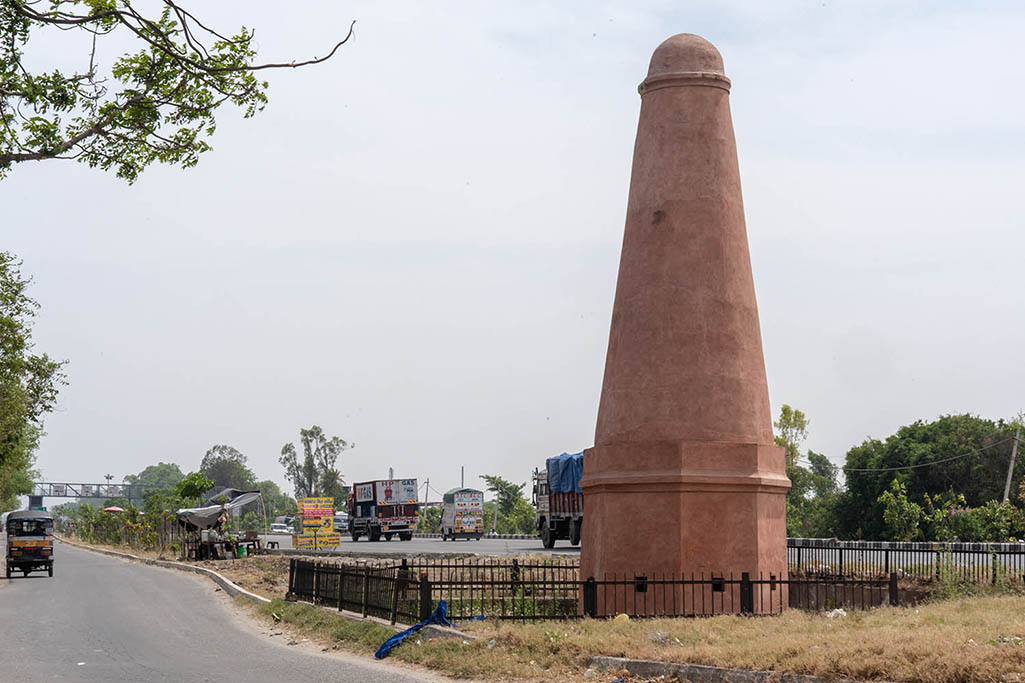
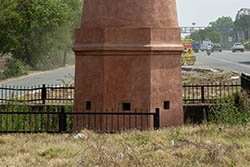
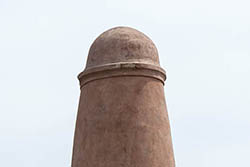
A Mughal-period distance marker located along
National Highway 44 (Old Grand Trunk Road), southeast of Kohand, Karnal,
Haryana. Probably constructed between 1600 and 1699 CE, the octagonal tower is
built of lakhori bricks with rubble masonry and lime mortar, and stands on a
brick platform with a ring moulding between the octagonal base and cylindrical
shaft. The monument is protected by the Archaeological Survey of India
(Chandigarh Circle) and remains well maintained, with no major structural
damage observed, though its base now lies below the present ground level.
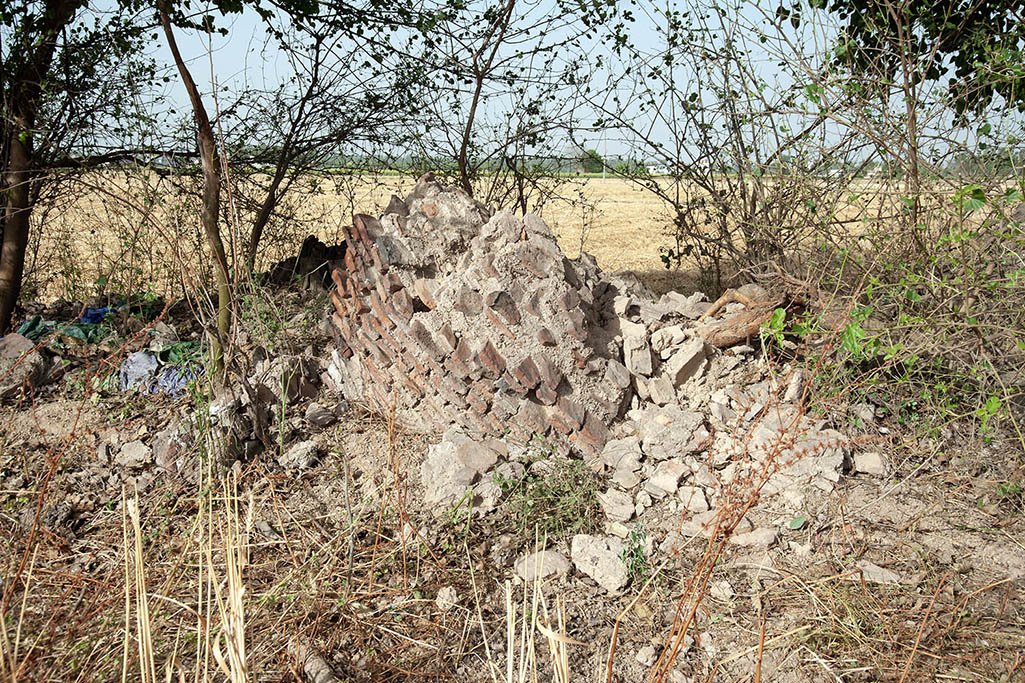
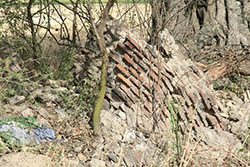
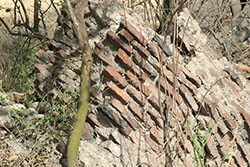
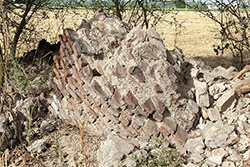
The Kos Minar at Kot Kachhwa Kalan, Ambala
district, Haryana, is a Mughal-period distance marker built between 1600 and
1699 CE with lakhori bricks bonded with lime mortar. The structure is unprotected
and now largely in ruins, with only remnants of brickwork surviving.