


 CENTER FOR ART AND ARCHAEOLOGY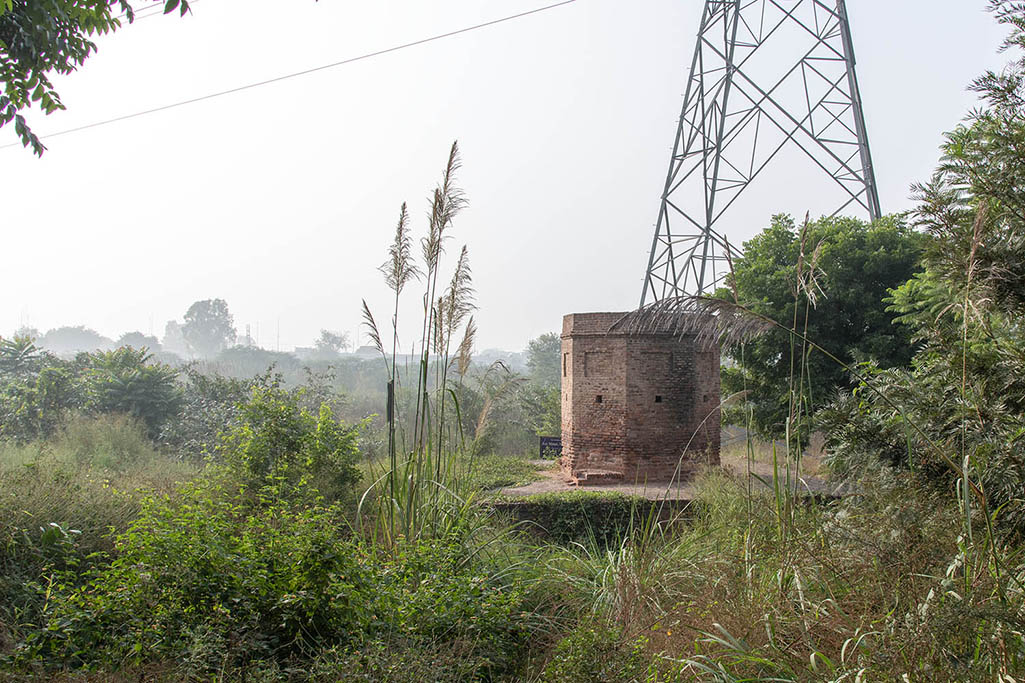
The Kos Minar at Manana, Panipat district,
Haryana, is a Mughal-period structure dating to 1600–1699 CE. Constructed of
lakhori bricks with lime mortar, only the remaining octagonal foundation of the
monument survives today. The site is protected and maintained by the
Archaeological Survey of India (Chandigarh Circle).
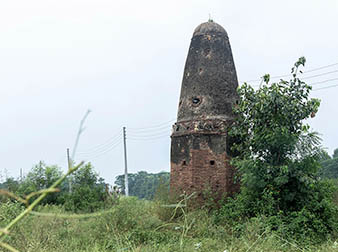
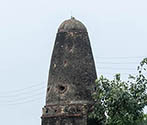
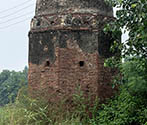
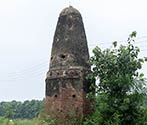
The Kos Minar at Mangli Unchi in Ludhiana district of Punjab is a
Mughal-period octagonal distance marker dating to the seventeenth century.
Constructed of lakhori bricks set in lime mortar, the monument is unprotected
and is surrounded by dense vegetation, with plaster largely removed, exposed
brickwork, and areas of blackened plaster visible on the surface.
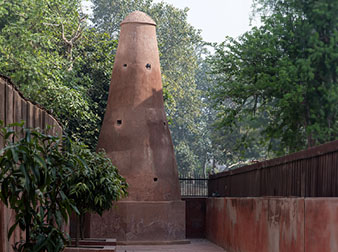
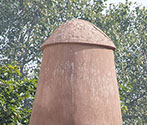
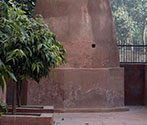
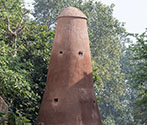
A Mughal-period distance marker located in the
middle of Mathura town and district of Uttar Pradesh, to the west of Prayag
Hospital. Probably constructed in the 17th century CE, the octagonal structure
is built of lakhori bricks, red sandstone, and lime mortar. The monument is
protected by the Archaeological Survey of India (Agra Circle) and is well
maintained, with fencing around the compound and no major structural damage at
the time of photography in 2025.
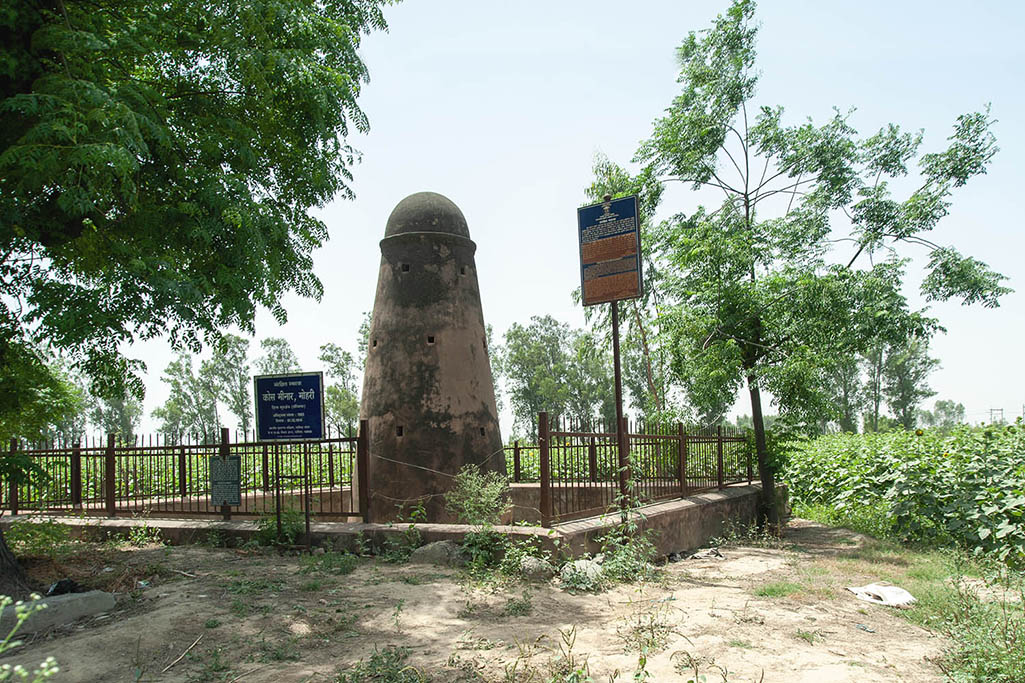
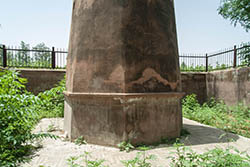
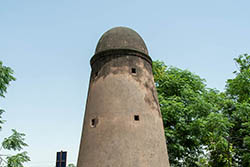
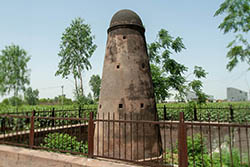
A Mughal-period distance marker located about
2.5 kilometres west of the Delhi–Multan Road (Old Grand Trunk Road), in fields
northwest of Machhonda village, Ambala, Haryana. The octagonal tower is built
of lakhori bricks bonded with lime mortar. The monument is unprotected and
presently in poor condition, showing surface blackening, loss of plaster,
cracks, vegetation overgrowth, and severe deterioration at the base.
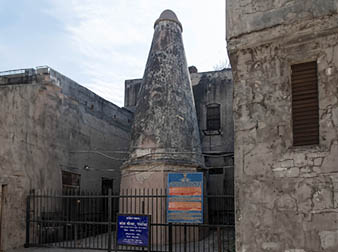
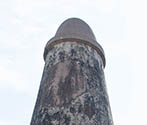
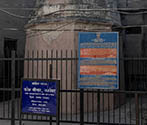
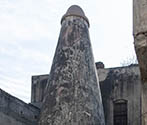
This Kos Minar is a Mughal-period octagonal
distance marker located in Nakodar town in Jalandhar district of Punjab,
adjacent to residential buildings. Constructed in the seventeenth century, it
is built of lakhori bricks set in lime mortar. The monument is protected by the
Archaeological Survey of India (Chandigarh Circle) and survives in good
condition, with fencing provided around the structure despite dense surrounding
development.
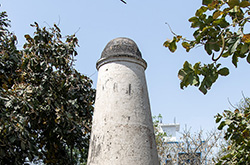
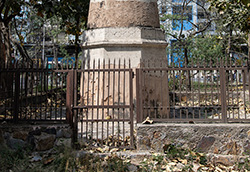
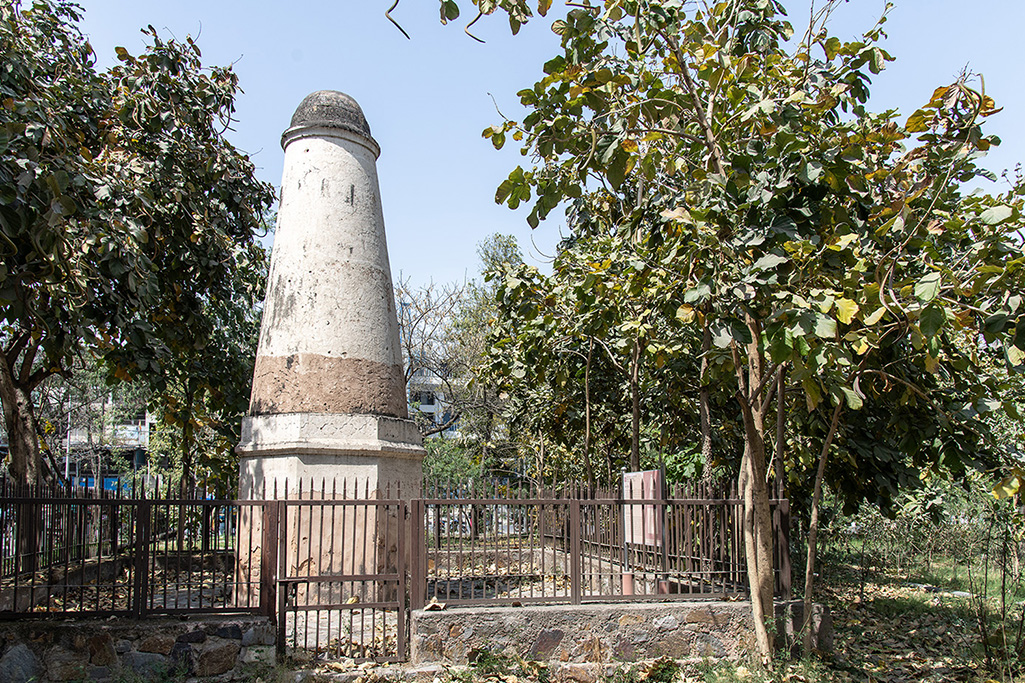
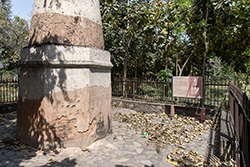
The Kos Minar at Narela, North Delhi, is a Mughal-period
structure dating to 1600–1699 CE. Constructed of brick with lime mortar, the
monument is maintained by the Department of Archaeology, Government of N.C.T.
of Delhi.