


 CENTER FOR ART AND ARCHAEOLOGY
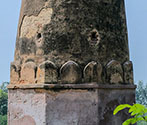
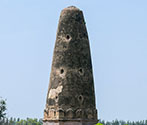

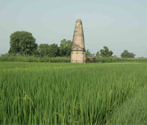
A Mughal-period distance marker located in
agricultural fields about 150 metres west of the Grand Trunk Road, with Kotwan
village to its north, in Mathura district of Uttar Pradesh. Probably
constructed in the 17th century CE, the octagonal structure is built of lakhori
bricks with lime mortar and plaster and stands on a low square platform, with
merlons on the octagonal base and small square openings on its surface. The
monument is protected by the Archaeological Survey of India (Agra Circle).
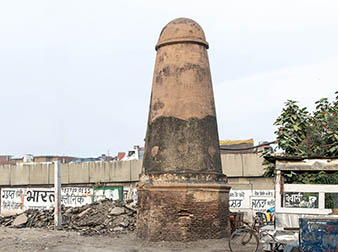
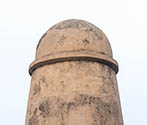
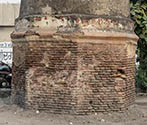
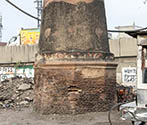
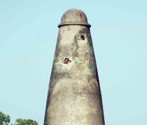
This Kos Minar in Ludhiana district of Punjab,
is a Mughal-period octagonal distance marker. Constructed in the seventeenth
century, it is built of lakhori bricks set in lime mortar. The monument is
protected by the Archaeological Survey of India (Chandigarh Circle) and
survives in good condition.
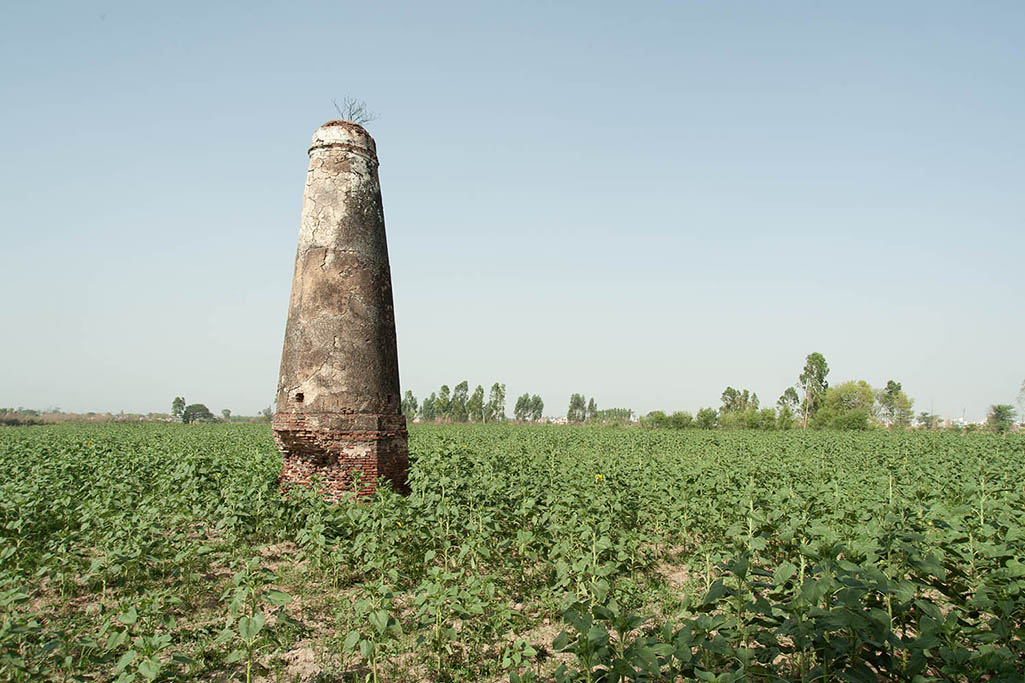
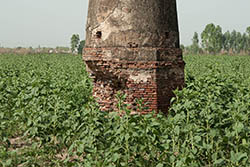
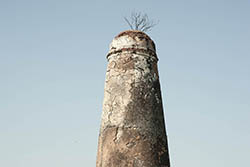
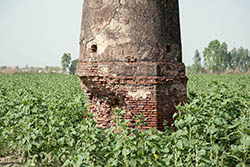
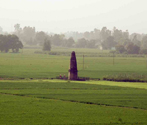
The Kos Minar at Machhonda, Ambala district,
Haryana, is a Mughal-period structure dating to c. 1600–1699 CE. Constructed of
lakhori bricks with lime mortar, the monument is currently unprotected.
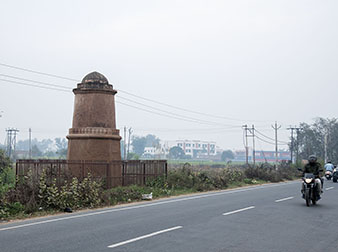
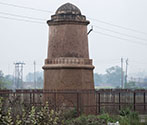
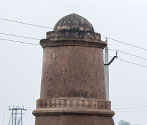
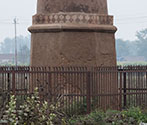
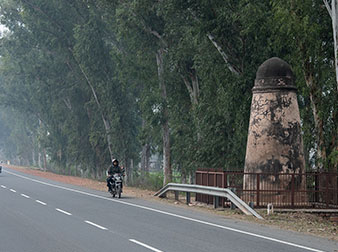
A Mughal-period distance marker located at
Madhakur in Agra district of Uttar Pradesh. Probably constructed between 1600
and 1699 CE, the octagonal tower is built of lakhori bricks bonded with lime
mortar. The monument is protected by the Archaeological Survey of India (Agra
Circle).
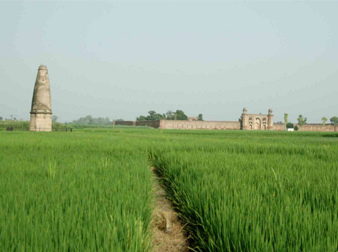
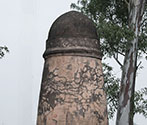
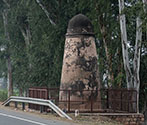
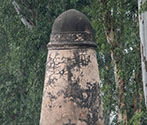
A Mughal-period distance marker located at
Mahuar in Agra district of Uttar Pradesh. Probably constructed between 1600 and
1699 CE, the octagonal tower is built of lakhori bricks set in lime mortar. The
monument is protected by the Archaeological Survey of India (Agra Circle).