


 CENTER FOR ART AND ARCHAEOLOGY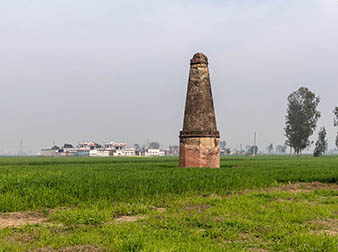
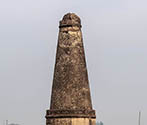
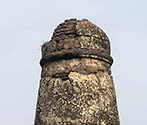
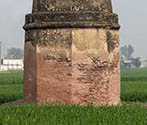
This Kos Minar is a Mughal-period octagonal
distance marker located in agricultural fields to the north of the Tarn
Taran–Kapurthala Road in Naurangabad, Tarn Taran district of Punjab, with a
rest house situated to its west. Constructed in the seventeenth century, it is
built of lakhori bricks set in lime mortar. The monument is listed as protected
by the Department of Cultural Affairs, Archaeology and Museums, Punjab and has
some surface deterioration, vegetation growth, and limited physical access.
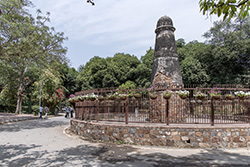
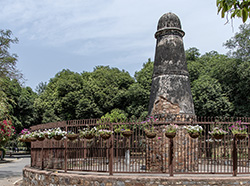
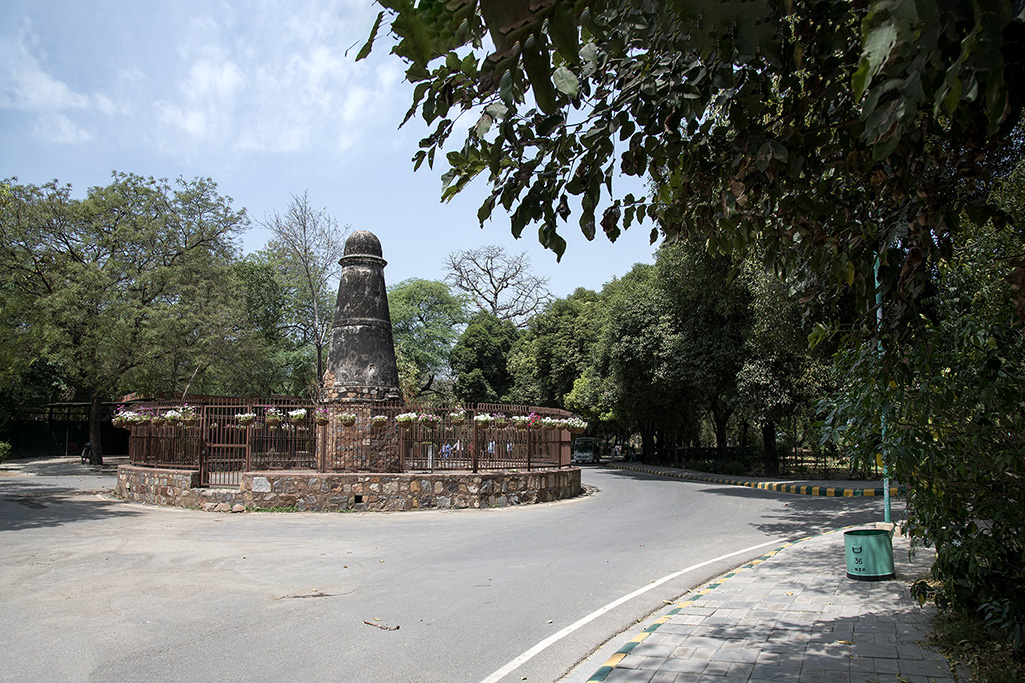
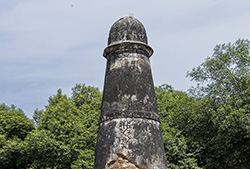
The Kos Minar at Nizamuddin East (National
Zoological Park), South-East Delhi, is a Mughal-period structure dating to
1600–1699 CE. Built of rubble masonry with lime mortar, the monument is
protected and maintained by the Archaeological Survey of India (Delhi Circle).
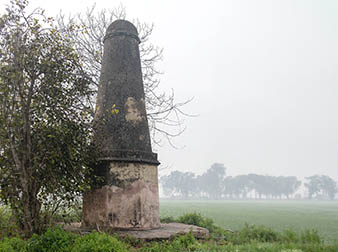
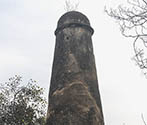
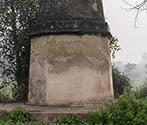
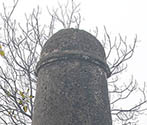
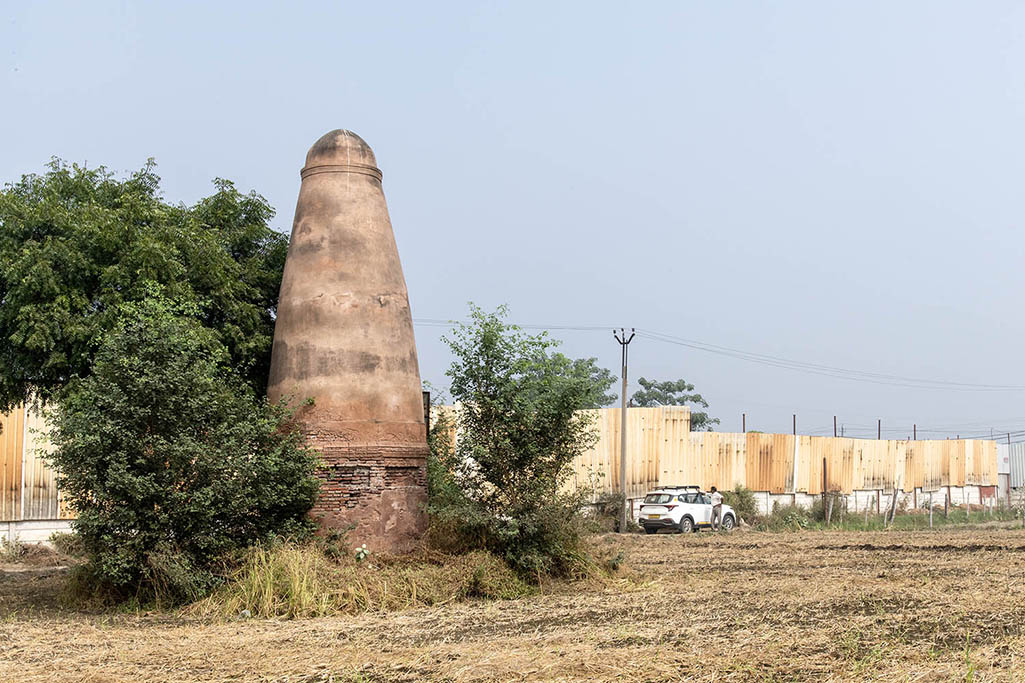
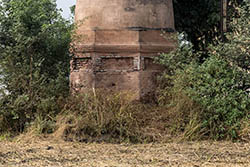
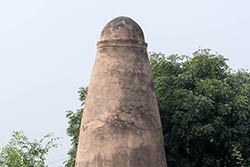
This Kos Minar is a Mughal-period octagonal
distance marker located in agricultural fields south of the Chabal–Attari Road
in Tarn Taran district of Punjab, opposite the tomb and sarai (rest house) at
Nurdi. Constructed in the seventeenth century, it is built of lakhori bricks
set in lime mortar. The monument is unprotected and survives in complete form,
with minor surface blackening and loss of lime plaster visible.
The Kos Minar at Panchi Gujran, Sonipat
district, Haryana, is a Mughal-period structure dating to 1600–1699 CE.
Constructed of lakhori bricks with lime mortar, the monument is protected and
maintained by the Archaeological Survey of India (Chandigarh Circle).
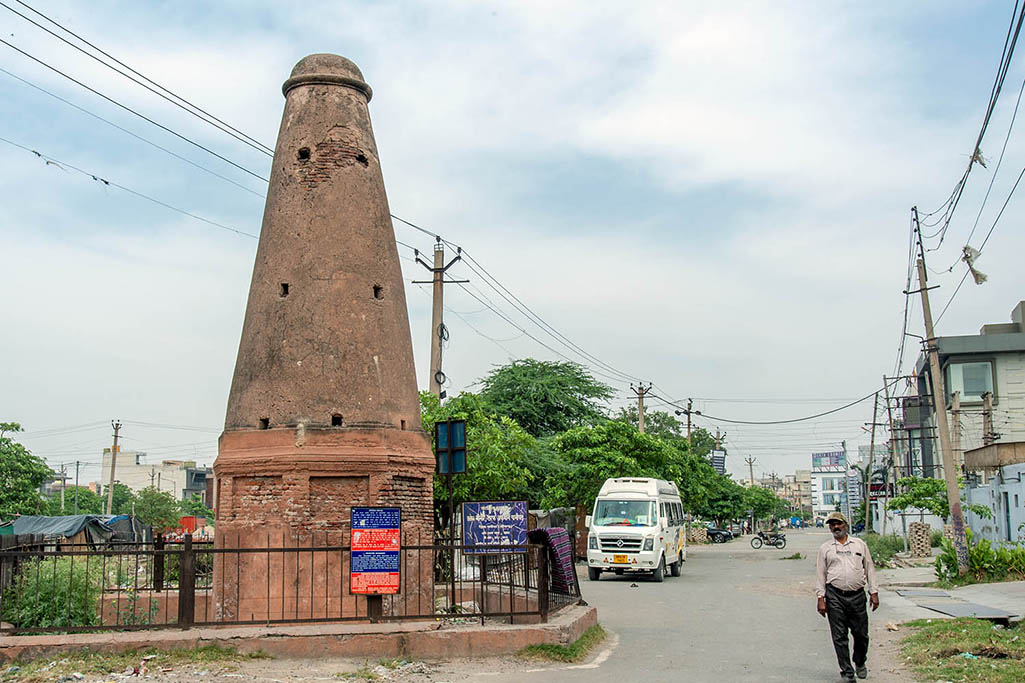
A Mughal-period distance marker located in an
open ground in Sector 25, Part II, in the southern part of Panipat, Haryana,
and locally referred to as Taraf Unsar (Taraf Afgan). Probably constructed
between 1600 and 1699 CE, the octagonal tower is built of lakhori bricks with
rubble masonry and lime mortar, and stands on a brick platform with a ring
moulding between the octagonal base and cylindrical shaft. It has small square
openings and a row of sunken panels near the top of the octagonal base. The
monument was notified as a protected structure on December 1, 1914, and is
protected by the Archaeological Survey of India (Chandigarh Circle).
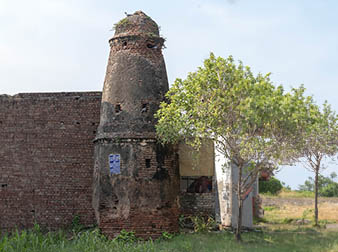
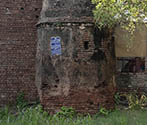
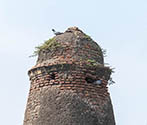
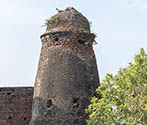
This Kos Minar is a Mughal-period distance
marker located within the backyard of a residence in Patarsi Kalan village in
Fatehgarh Sahib district of Punjab. The minar dates to the seventeenth century
and has been recorded historically by Lieutenant William Barr (1839 CE). The
monument is protected by the Archaeological Survey of India (Chandigarh Circle)
and survives in a well-maintained condition, with access facilitated by local
residents.