

 CENTER FOR ART AND ARCHAEOLOGY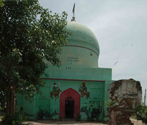


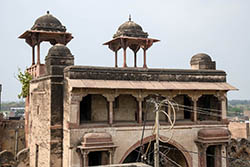
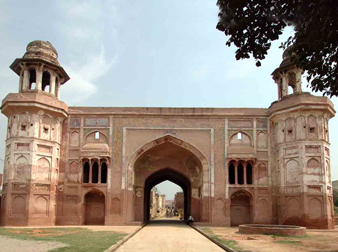
A Mughal-period caravansarai or rest house
located about 90 metres east of the old Grand Trunk Road, in Chhata, Mathura
distric of Uttar Pradesh. Built between 1611 and 1615 CE, the sarai is
mentioned by seventeenth-century travellers such as Steel, Crowther, and the
French traveller V. Jacquemont, who described it as a large, fortified
structure. Partly constructed under the patronage of Sher Shah Suri and later
by Asaf Khan, it was likely completed under the orders of Emperor Jahangir. The
sarai is a rectangular enclosure with high battlemented walls, octagonal corner
towers, and imposing three-storeyed gateways. The monument is protected by the
Archaeological Survey of India (Agra Circle); however, it has suffered
considerable damage and alteration over time, including the loss of the
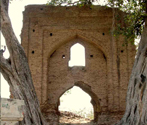
southeast bastion during the 1857 mutiny and extensive reuse of its cells and
gateways, though parts of the sarai remain occupied and a mosque within the enclosure
continues to function.
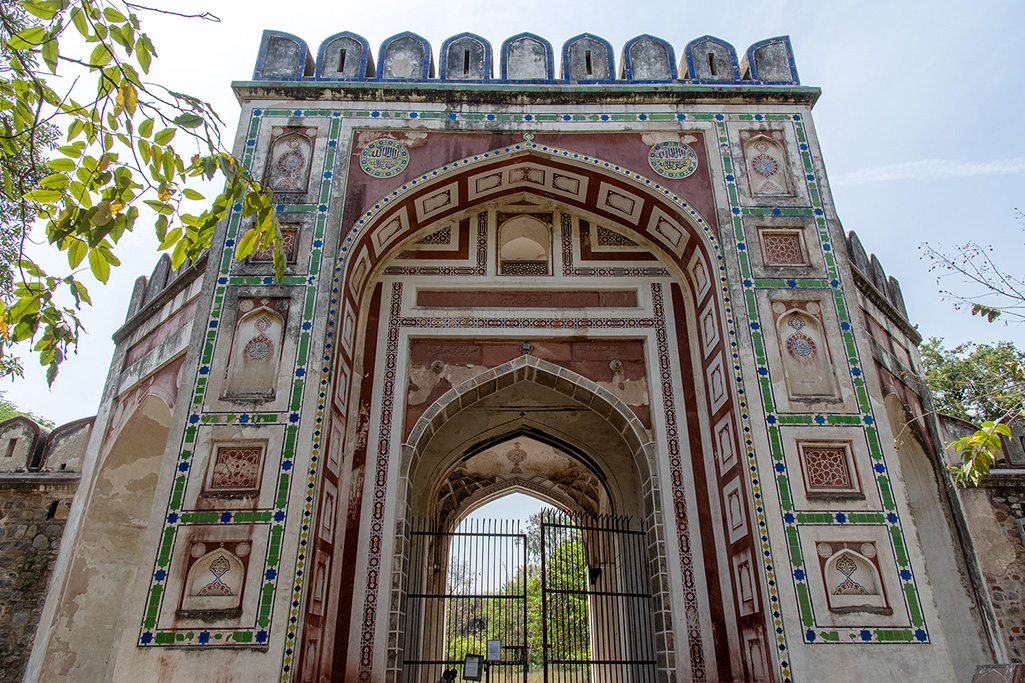
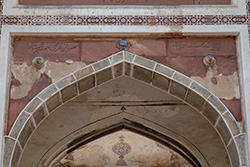
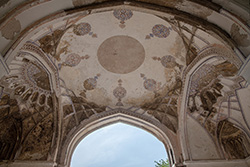
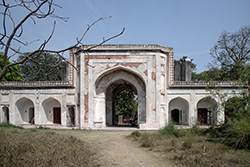
Arab Sarai at Nizamuddin East, South-East
Delhi, is a Mughal-period caravansarai or rest house originally constructed in
1578–79 CE (968 AH), with later additions made during the reign of Emperor
Jahangir (1605–1627 CE). Built of lakhori brick, rubble masonry, sandstone,
lime mortar, and plaster, the complex comprises multiple gateways and two quadrangles
divided by rows of arched cells. The monument is protected by the
Archaeological Survey of India (Delhi Circle).