

 CENTER FOR ART AND ARCHAEOLOGY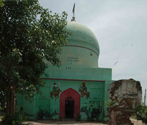
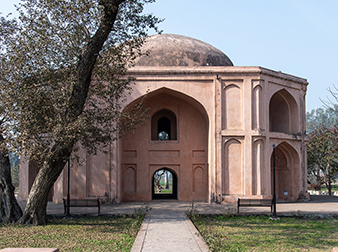
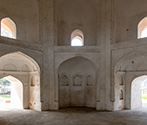
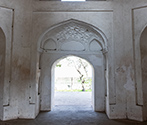
The Hadira (Hazira) Tomb is a Mughal-period
funerary monument located on the banks of the River Bein at Sultanpur Lodhi in
Kapurthala district of Punjab. Constructed between 1590-1625 CE, the tomb is an
octagonal, double-storied structure crowned with a hemispherical dome and
approached through pointed arched openings. Built of lakhori bricks with red
sandstone and lime plaster, it preserves traces of decorative plasterwork and
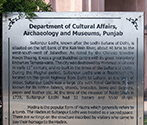
paintings. The monument is protected by the Department of Cultural Affairs,
Archaeology and Museums, Punjab.
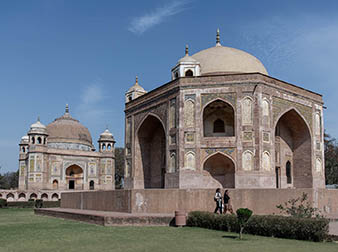
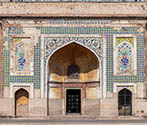
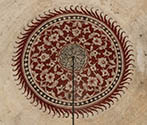
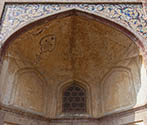
Located in Nakodar (Amardas Colony) in
Jalandhar district of Punjab, this funerary complex comprises two Mughal-period
tombs traditionally known as the tombs of Ustad and Shagird (Teacher and
Disciple). The tomb of Muhammad Momin al-Husayni dates to 1021 AH (1612–13 CE),
while the tomb of his disciple Haji Jamal was constructed in 1057 AH (1656–57
CE). Distinguished by octagonal and square plans respectively, both tombs
display refined glazed-tile decoration and Quranic inscriptions. The monuments
stand opposite each other within the remains of a former garden setting and are
under the protection of Archaeological Survey of India (Chandigarh Circle).
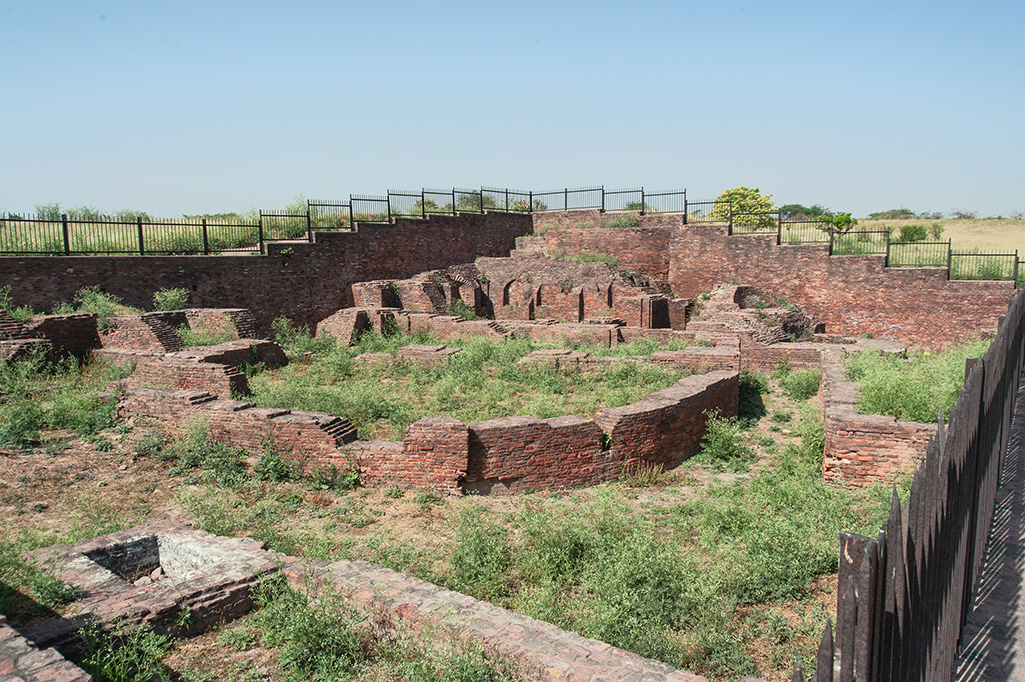
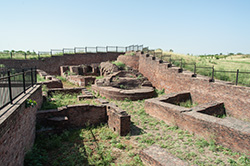
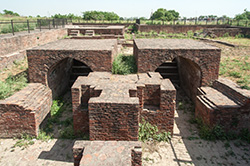
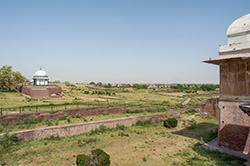
Harsh ka Tila is an extensive archaeological
mound located near the Sheikh Chilli complex in Thanesar in Kurukshetra
district of Haryana. Identified with ancient Sthanesvara, the site has yielded
structural remains and artefacts from successive historical periods through
systematic excavations. Objects recovered from Harsh ka Tila and nearby
Bhagwanpura are displayed in the site museums within the Sheikh Chilli complex.
The site is protected by the Archaeological Survey of India (Chandigarh
Circle).
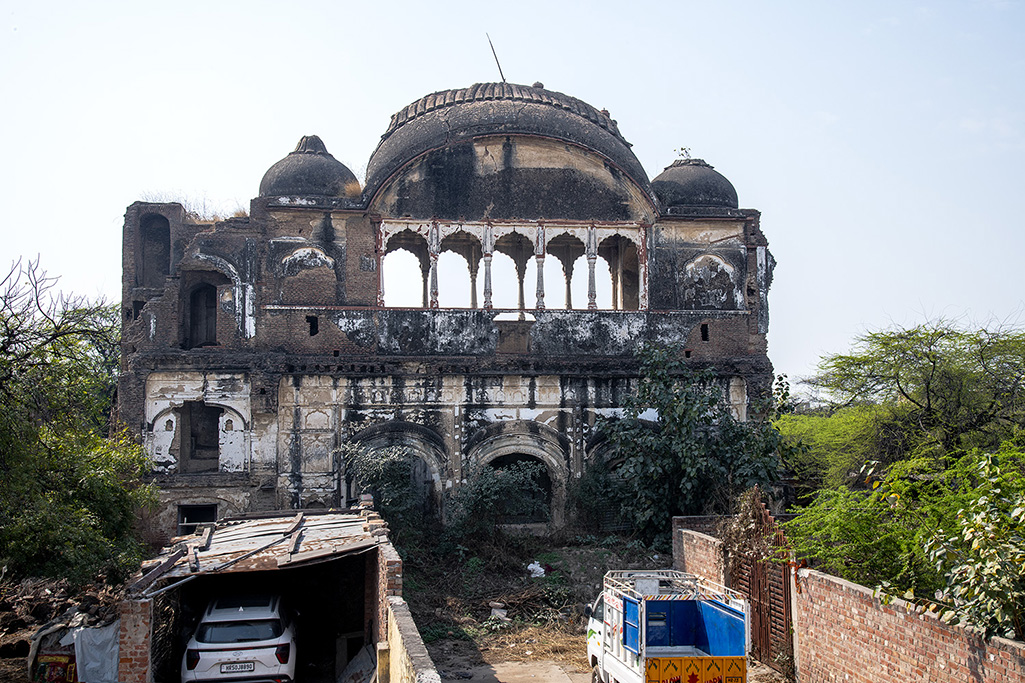
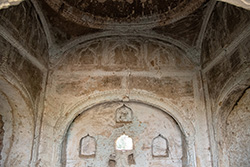
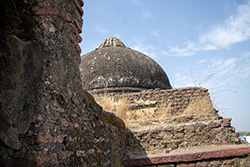
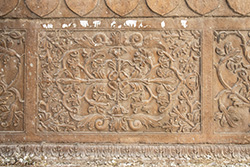
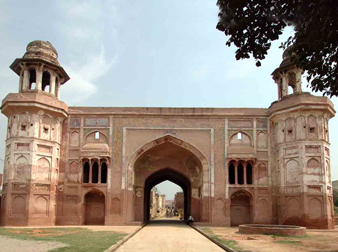
The Old Kacheri (also known as the Haveli of
Chaudhary Kashi Ram) is a late Mughal-period courthouse complex located at
Andooa Patti, Hodal, in Palwal district, Haryana. Tentatively dated to around
1750 CE and attributed to Chaudhary Kashi Ram Sorot, the structure appears to
have functioned as an izlaas khas (courtroom) or local judicial hall.
Constructed of lakhori bricks, sandstone, and lime mortar, the complex features
a prominent double-storeyed gateway on its northeast facade, reflecting
elements of late Mughal domestic and administrative architecture.
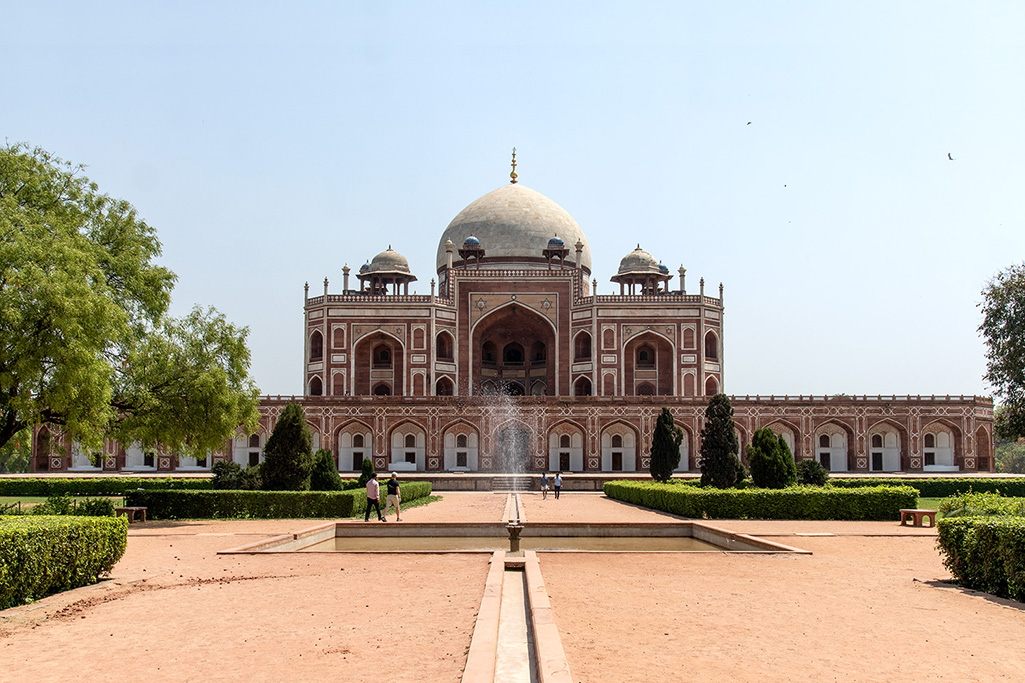
Humayun’s Tomb at Nizamuddin East, South-East Delhi, is a
Mughal-period imperial mausoleum commissioned by Biga Begam (Haji Begum), the
widow of Emperor Humayun, with construction beginning in 1565 CE under the
patronage of Emperor Akbar and designed by the architect Mirak Mirza Ghiyath.
Built of local quartzite, red sandstone, marble, lime mortar, and plaster, the
monument is protected by the Archaeological Survey of India (Delhi Circle) and
is a UNESCO World Heritage Site.