

 CENTER FOR ART AND ARCHAEOLOGY
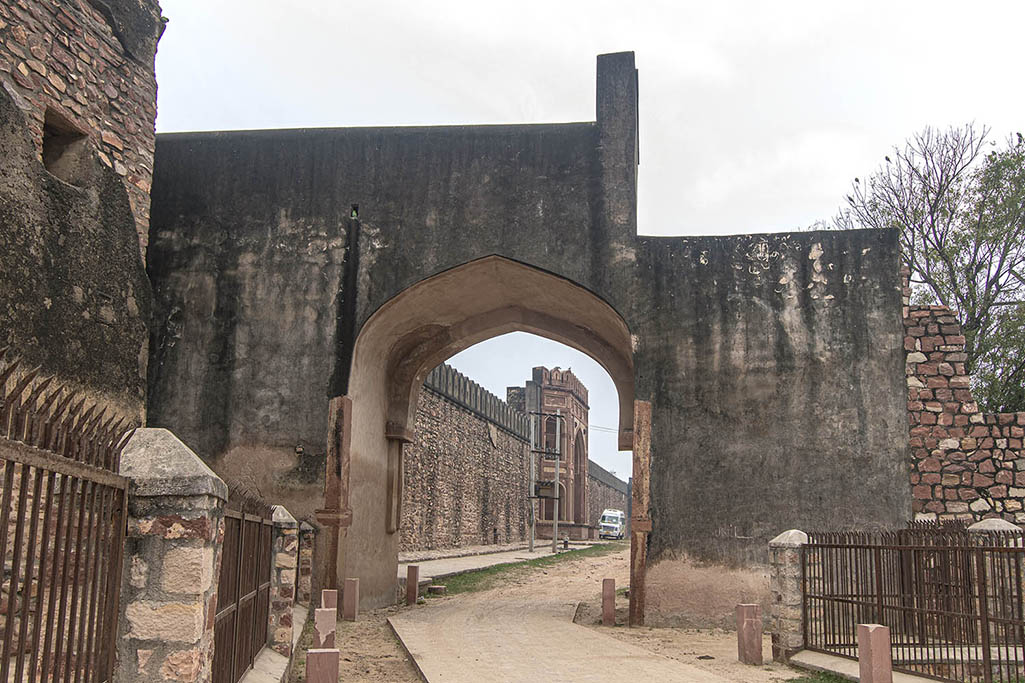
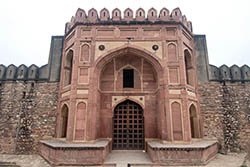
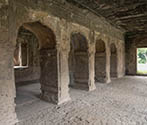
The Akbari Sarai at Fatehpur Sikri of Agra
district in Uttar Pradesh is a Mughal-period caravansarai or rest house constructed
during the reign of Emperor Akbar (r. 1556-1605) and is among the earliest
surviving sarais of the Mughal era. It is referred to in early
seventeenth-century accounts, including those of the European traveller William
Finch. Built primarily of red sandstone, the sarai is a substantial four-terraced
complex with a double-storeyed gateway and rooms arranged around a central
courtyard. The complex also includes a Mughal-period octagonal stepwell,
probably constructed between 1572 and 1575 CE, and the Hiran Minar, a
watchtower or commemorative structure dating to the same period. All these
monuments are protected by the Archaeological Survey of India (Agra Circle).
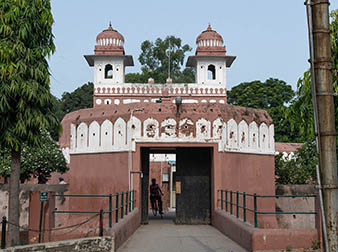
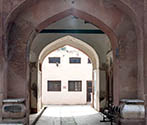
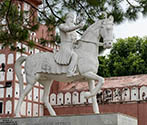
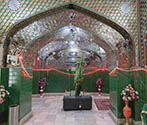
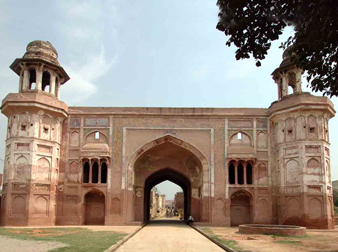
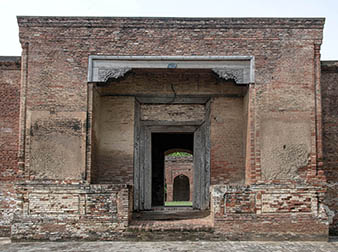
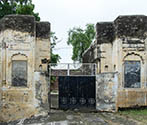
Located along the Grand Trunk Road (NH 44) in
southern Phillaur in Jalandhar district of Punjab, this site originated as a
Mughal-period sarai (rest house), likely established in the early seventeenth
century and associated with Shah Jahan’s reign (r. 1628-1658). In the early
nineteenth century, Maharaja Ranjit Singh converted the sarai into a fortified
complex by adding defensive walls, bastions, and a ditch, transforming it into
what is now known as Phillaur Fort. The monument was notified as protected by
the Archaeological Survey of India in 2010 and presently houses the Maharaja
Ranjit Singh Punjab Police Academy. Only limited elements of the original sarai
survive, notably the Lahori and Delhi gateways, while later Sikh-period and
subsequent adaptations dominate the existing fabric.
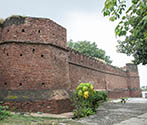
The Payal fort is a late eighteenth-century
fortified structure located near the town of Payal in Ludhiana district of
Punjab. Tentatively dated to around 1771 CE and possibly associated with
Maharaja Amar Singh, the fort is constructed of lakhori bricks set in lime
mortar. The monument is protected by the Archaeological Survey of India
(Chandigarh Circle).