

 CENTER FOR ART AND ARCHAEOLOGY
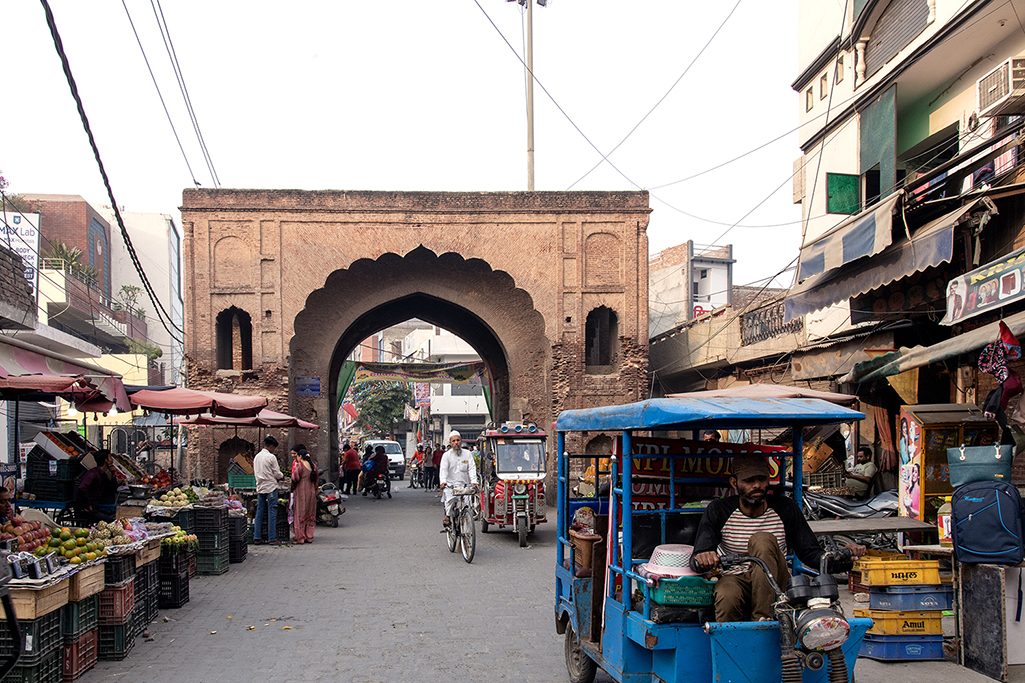
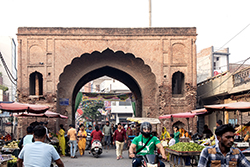
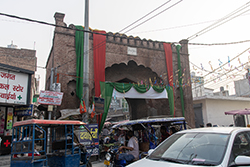
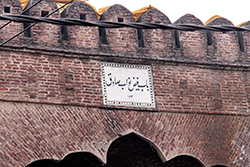
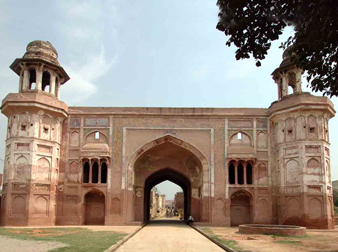
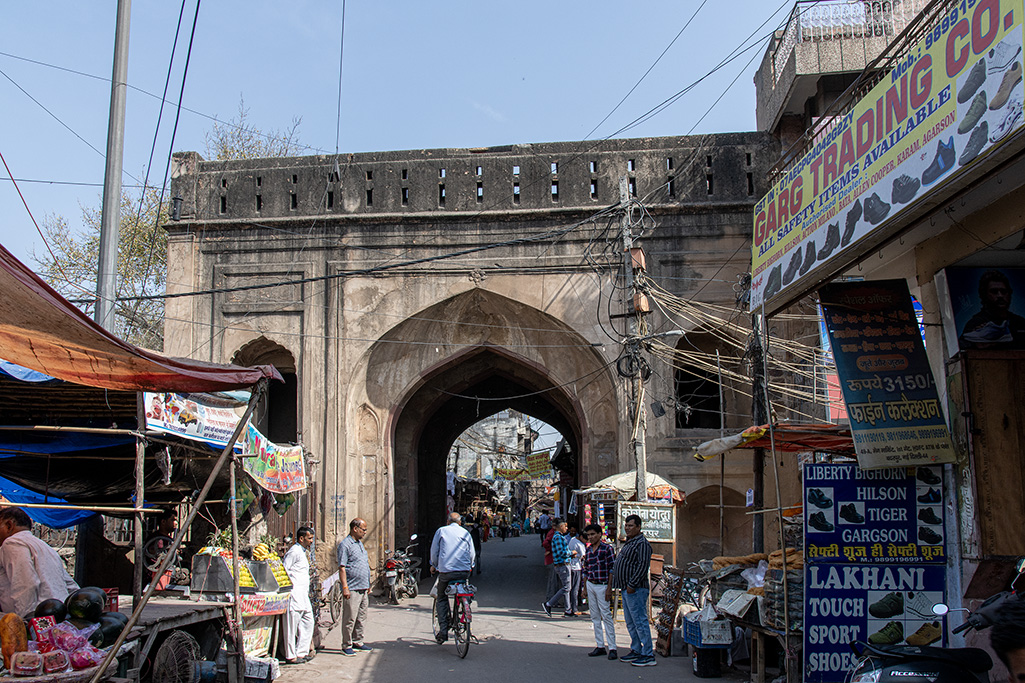
Bab-i-Faiz Darwaza (Salar Ganj Gate) at Salar
Ganj Bazar, Panipat district, Haryana, is a Mughal-period gateway dated to 1737
CE and commissioned by Nawab Sadiq Ali Khan. Constructed of lakhori brick,
stone, marble, and lime mortar, the monument is protected and maintained by the
Archaeological Survey of India (Chandigarh Circle).
Sarai Badarpur is located east of the old
Grand Trunk Road (Delhi–Mathura highway) in Delhi. This Mughal-period rest
house is attributed to Raushan al-Daula (d. 1736–37), a noble who rose to
prominence during the reigns of Emperors Farrukhsiyar and Muhammad Shah.
Constructed of lakhori brick, rubble masonry, and lime mortar with plaster, the
complex comprises aligned northern and southern gateways with a central gateway
set within a double enclosure, along with residential cells and a mosque. The
monument is protected by the Department of Archaeology, Government of the
National Capital Territory of Delhi.
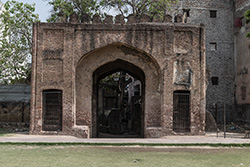
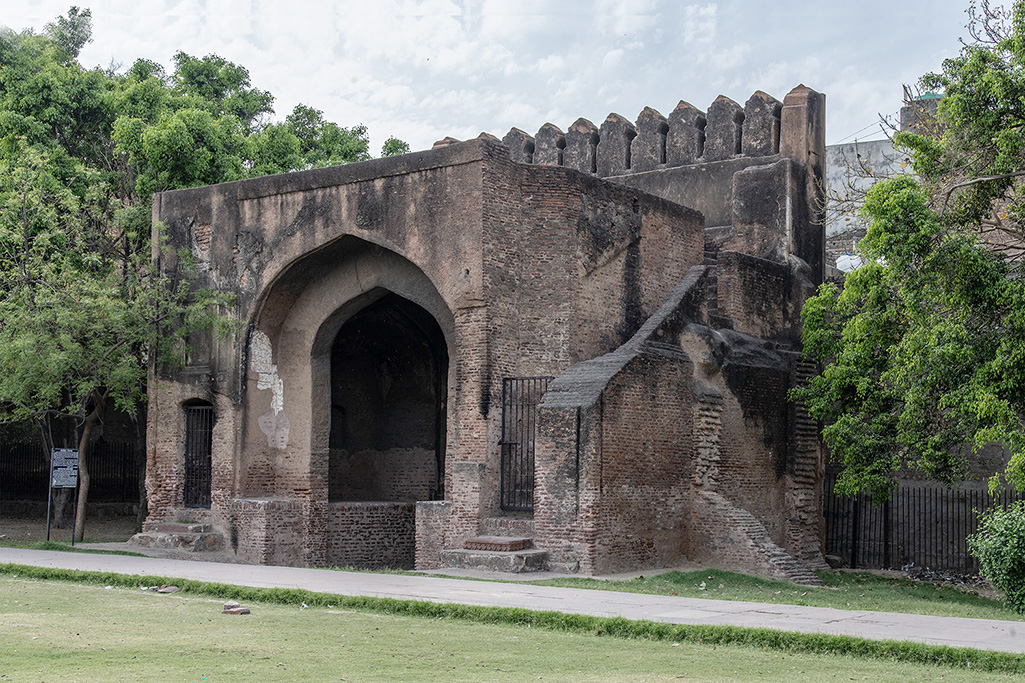
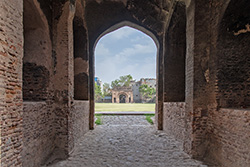
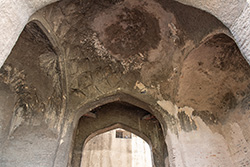
Badli Ki Sarai at Village Pipalthala, North Delhi, is a Mughal-period
sarai dating to before 1611 CE. Constructed of lakhori brick with lime mortar,
the monument is protected and maintained by the Archaeological Survey of India
(Delhi Circle).
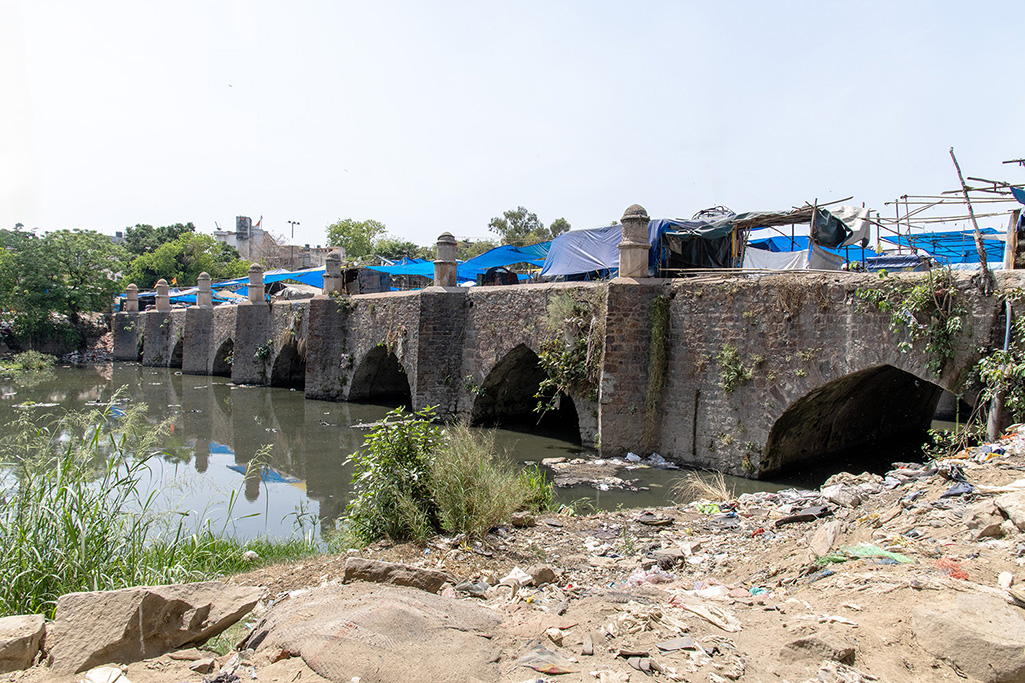
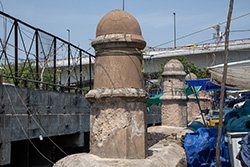
The Barapullah Mughal Bridge (12-arched
bridge) at Nizamuddin East, South-East Delhi, is a Mughal-period structure
constructed during the reign of Emperor Jahangir and completed in 1612 under
the patronage of Miharban Agha (Agha Man). Built of lakhori brick, rubble
masonry, lime mortar, and plaster, the bridge is protected by the
Archaeological Survey of India (Delhi Circle) and now spans a drain south of
Hazrat Nizamuddin Railway Station.
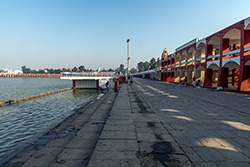
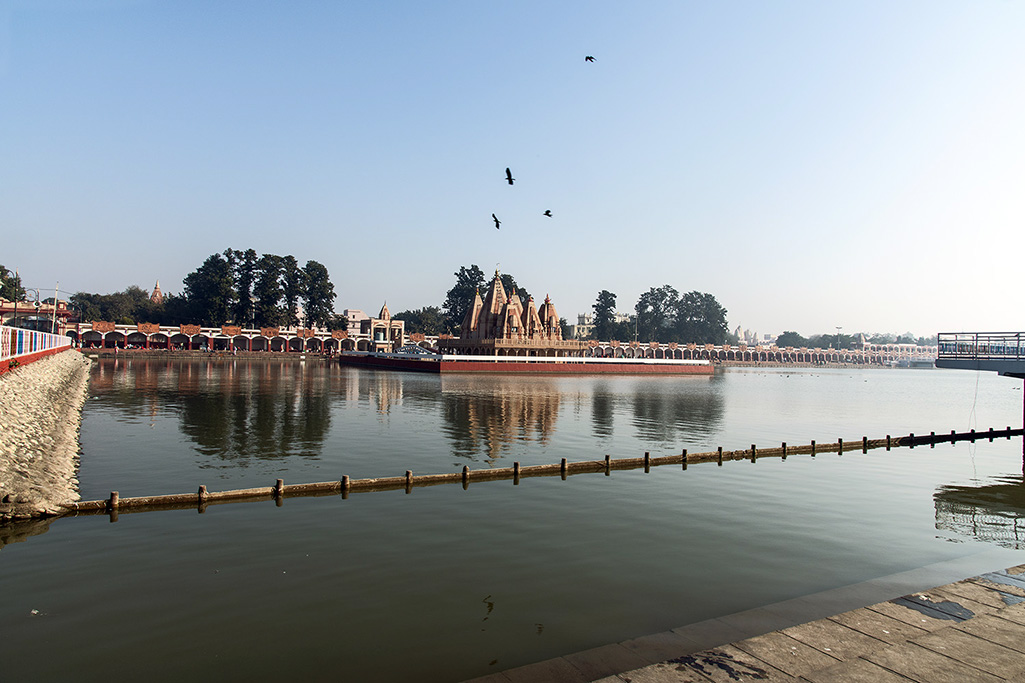
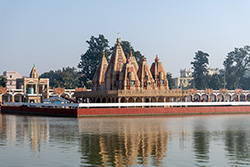
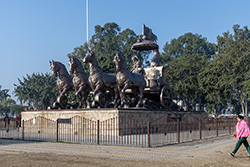
The Brahma Sarovar is a water tank located
about 220 metres south of the Kurukshetra–Pipli Road in Kurukshetra district of
Haryana. According to local tradition, it was originally excavated by King
Kuru, the legendary ancestor of the Kauravas and Pandavas, and is associated
with the belief that Lord Brahma created the universe at this site. The present
structure, built of brick and cement mortar, includes modern ghats and
surrounding constructions that appear to date largely to the 21st century.
Though unprotected, the sarovar remains in good condition and continues to
serve as an important pilgrimage centre.
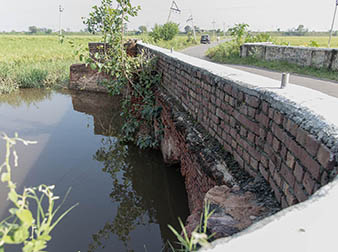
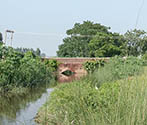
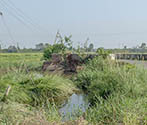
This bridge is located to the south of Patarsi Kalan village along the Patarasi Kalan (Chandumajra Road) in Fatehgarh Sahib district of Punjab. Although no historical records identify its date or patronage, the structure comprises two pointed arches with parapets rebuilt in modern brickwork and cylindrical towers. The bridge remains in active use, carrying a tarred roadway and serving as an important local crossing.