

 CENTER FOR ART AND ARCHAEOLOGY
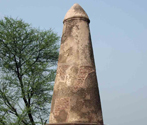
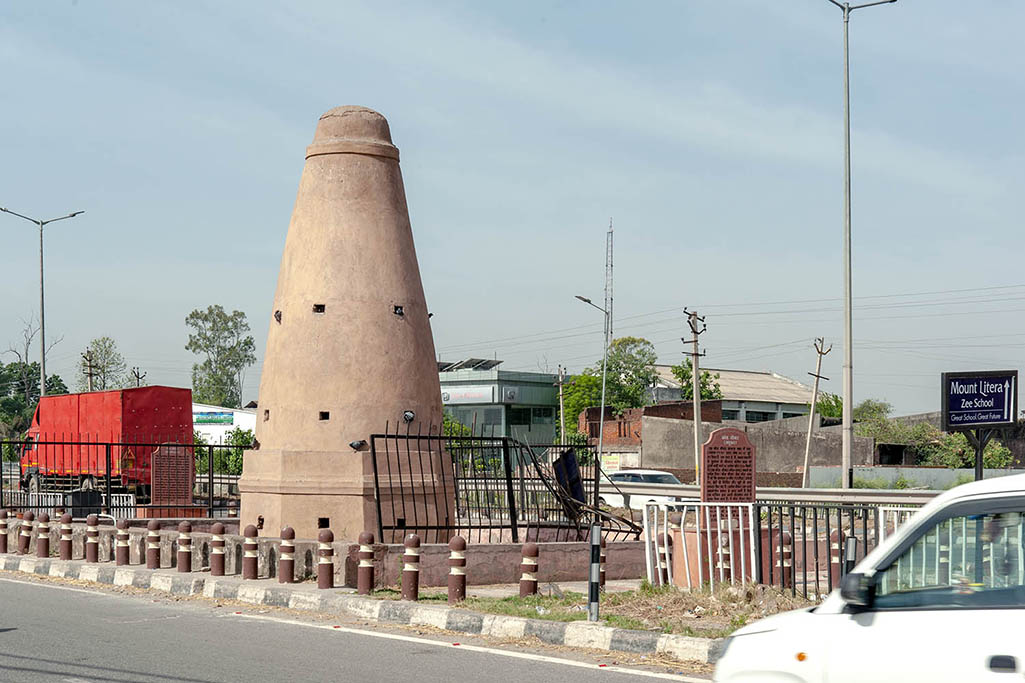
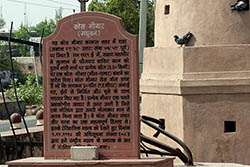
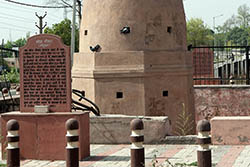
The Kos Minar at Daha, Karnal district,
Haryana, is a Mughal-period distance marker built between 1600 and 1699 CE with
lakhori bricks bonded with lime mortar. The monument is protected by the
Archaeological Survey of India (Chandigarh Circle).
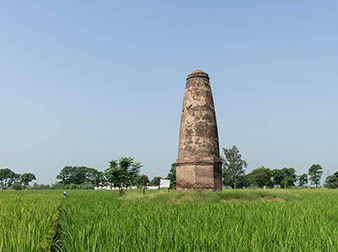
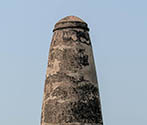
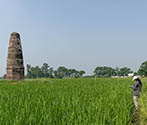
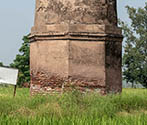
The Kos Minar at Dhadda Khanpur in Jalandhar
district of Punjab is a Mughal-period octagonal distance marker dating to the
seventeenth century. Constructed of lakhori bricks set in lime mortar, it
formed part of the Mughal road network along the Agra–Lahore route. The
monument is protected by the Archaeological Survey of India (Chandigarh Circle)
and survives in good condition amidst fields.
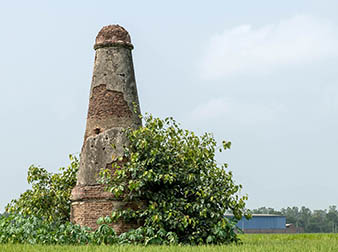
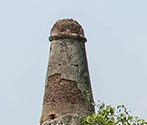
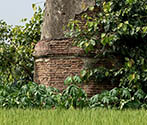
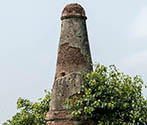
The Kos Minar at Dode in Tarn Taran district
of Punjab is a Mughal-period octagonal distance marker located in a rural
setting. The structure is unprotected and survives in a weathered condition.
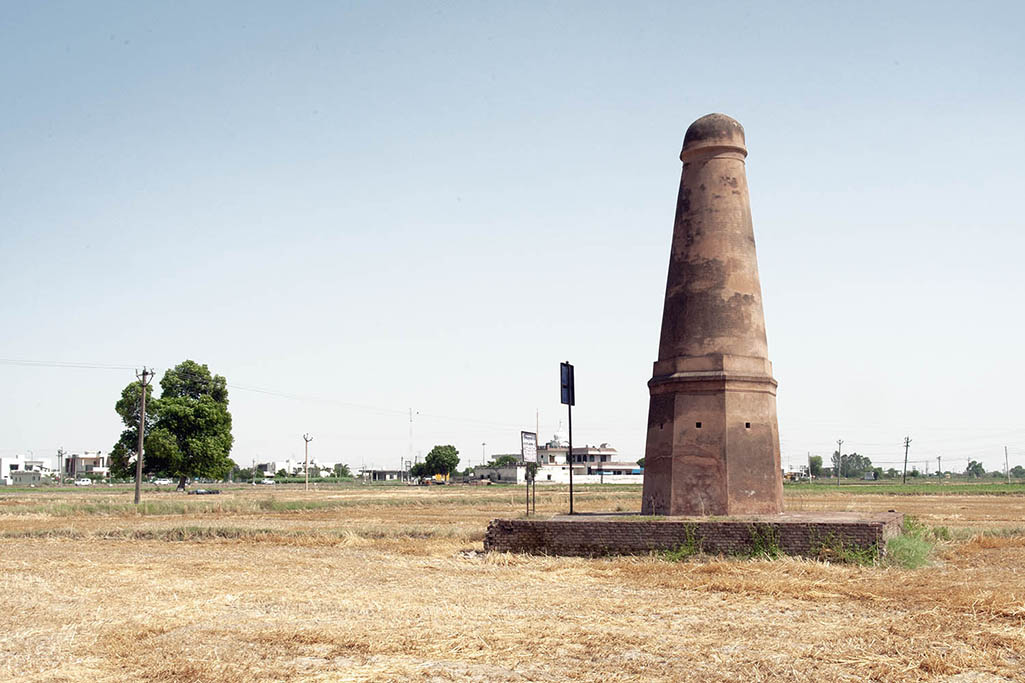
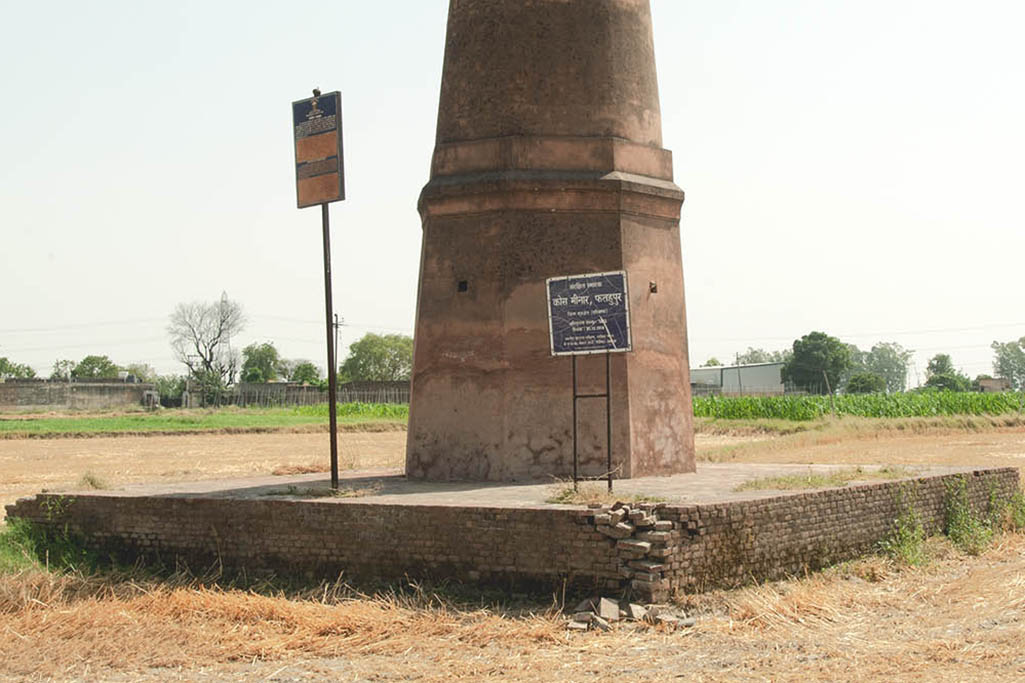
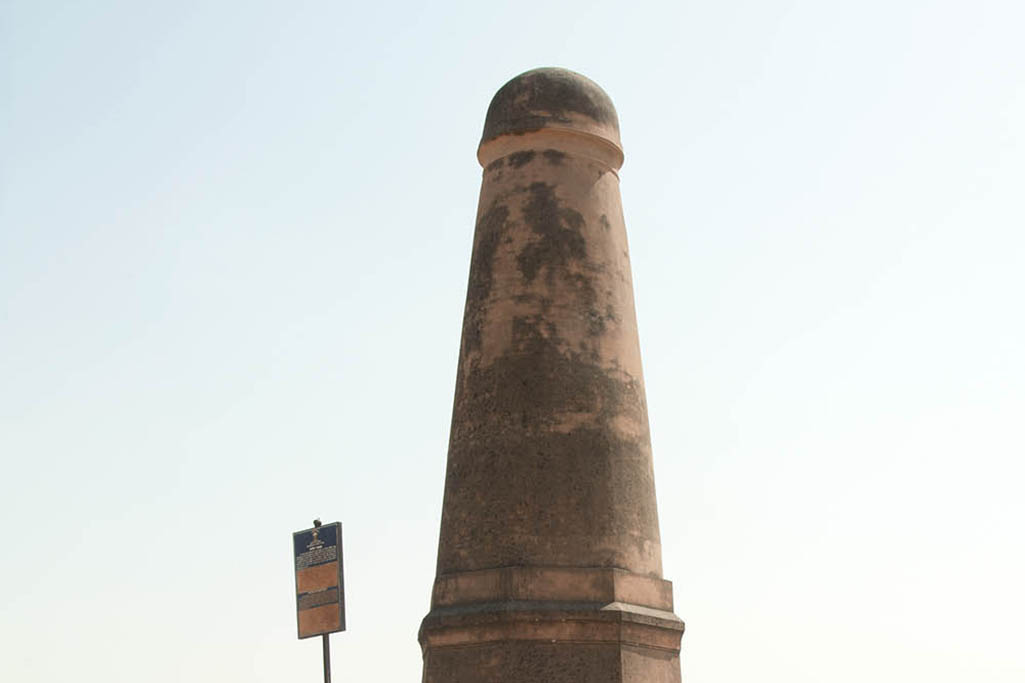
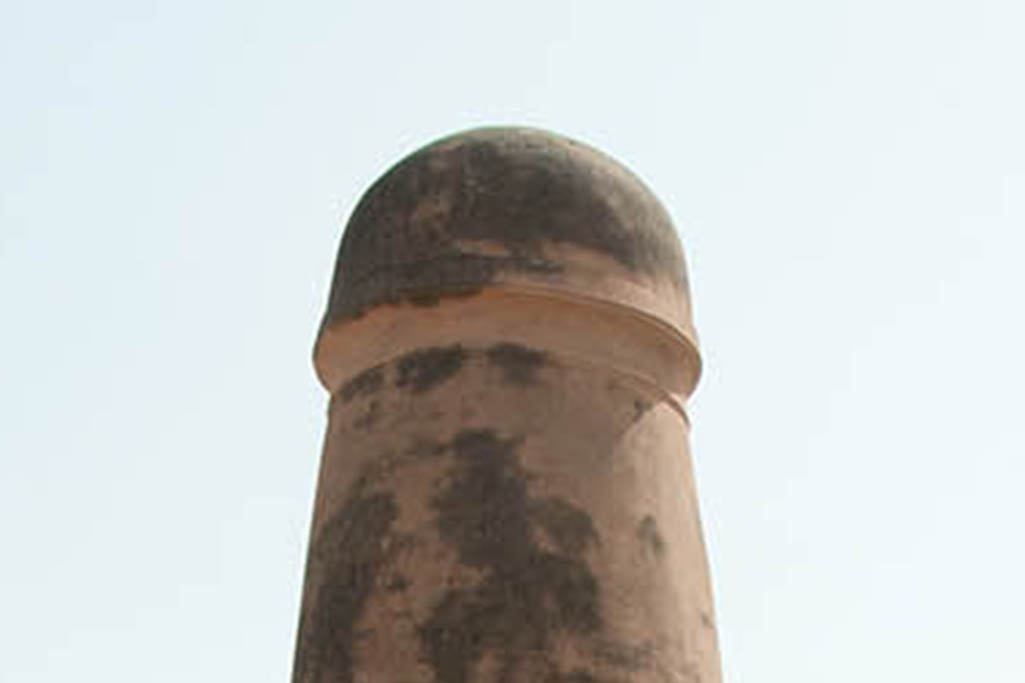
The Kos Minar at Futtupur, Kurukshetra district of Haryana, is a Mughal-period distance marker built between 1600 and 1699 CE. Constructed of lakhori bricks bonded with lime mortar, the octagonal tower represents the standard Kos Minar type. The monument is protected by the Archaeological Survey of India (Chandigarh Circle).
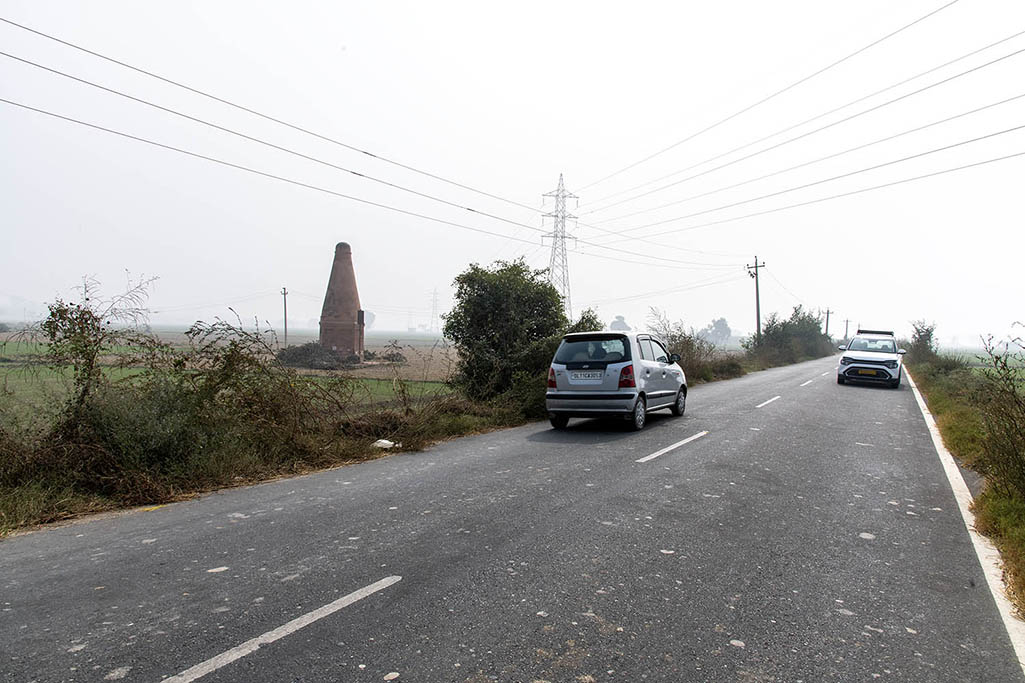
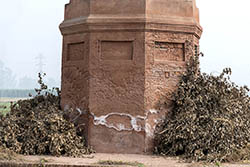
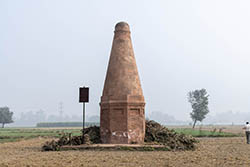
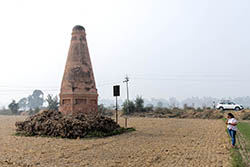
The Kos Minar at Ganaur, Sonipat district, Haryana, is a Mughal-period distance marker built between 1600 and 1699 CE. Constructed of lakhori bricks bonded with lime mortar, the octagonal tower represents the standard Kos Minar type. The monument is protected by the Archaeological Survey of India (Chandigarh Circle).
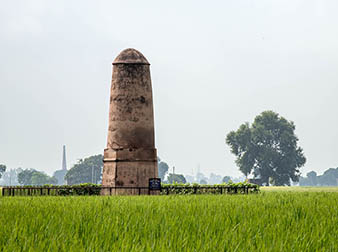
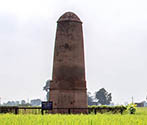
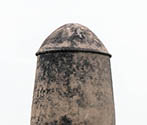
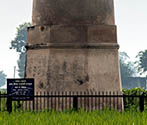
The Kos Minar at Ghungrali in Ludhiana
district of Punjab is a Mughal-period distance marker located in agricultural
fields approximately 1.5 km outside the village. Originally surviving only as a
fragmentary base, the structure has since been completely rebuilt. Constructed
of brick and lime mortar and dated to the seventeenth century, the monument is
protected by the Archaeological Survey of India (Chandigarh Circle); however,
the present form reflects extensive reconstruction, and the original shape of the
Kos Minar is no longer ascertainable.