

 CENTER FOR ART AND ARCHAEOLOGY
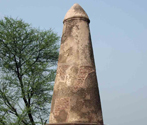
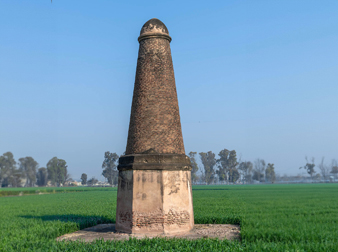
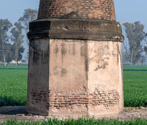
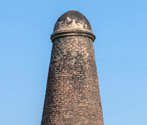
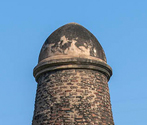
The Kos Minar at Sarai Amanat Khan (Attari
Road), Tarn Taran district of Punjab, is a Mughal-era distance marker designed
to indicate distances along important routes. Built between 1600 and 1699 CE
with lakhori bricks set in lime mortar, this octagonal, pillared monument
features a circular upper section. Located near the caravansarai (rest house)
Sarai Amanat Khan, it likely served as a marker to signal the presence of a
nearby halting station. The Archaeological Survey of India (Chandigarh Circle)
now protects the monument.
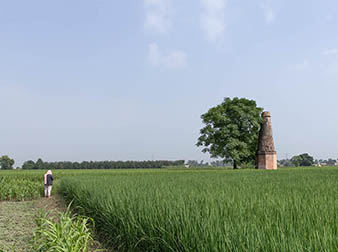
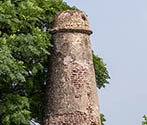
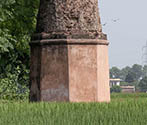
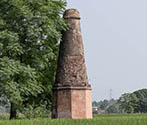
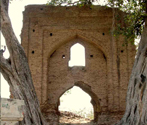
The Kos Minar at Bachre in Tarn Taran district
of Punjab is a seventeenth century Mughal-period distance marker. It is built
of brick and lime mortar and is unprotected and currently in a vulnerable
condition, with tree roots penetrating the base and accelerating structural
deterioration.
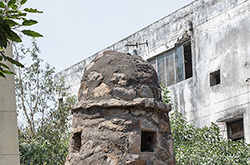
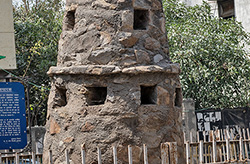
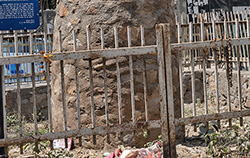
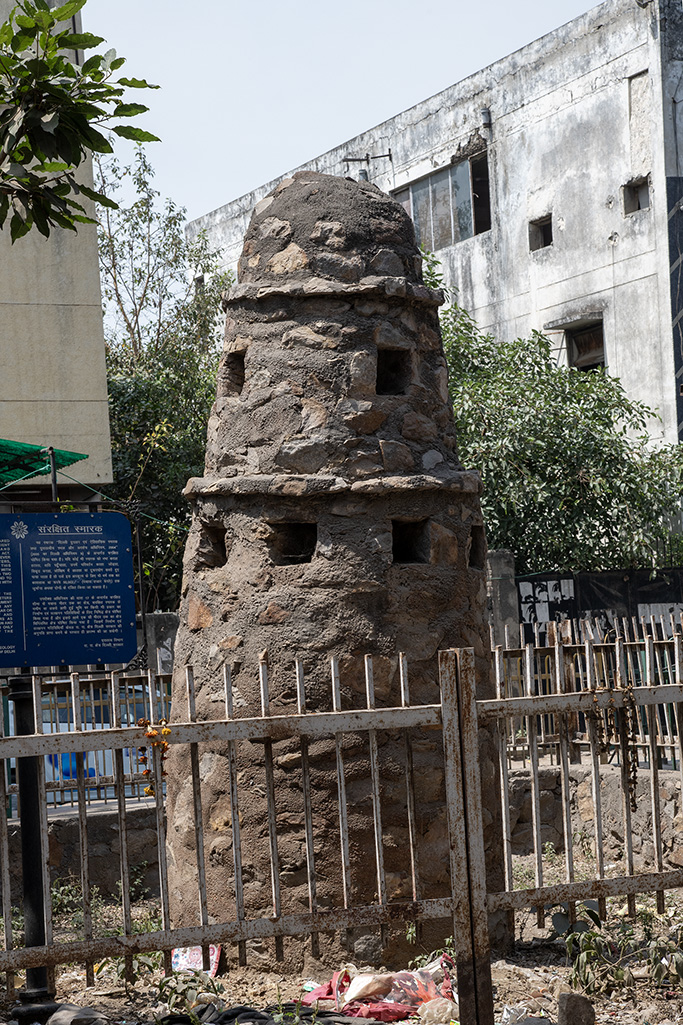
The Kos Minar at Badarpur Border, South-East
Delhi, is a Mughal-period structure dating to 1600–1699 CE. Constructed of
rubble with lime mortar, the monument is maintained by the Department of
Archaeology, Government of N.C.T. of Delhi.
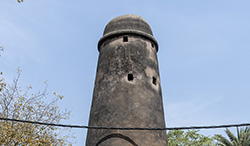
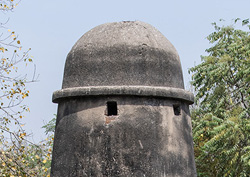
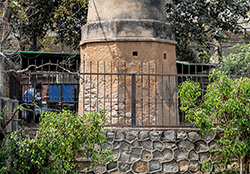
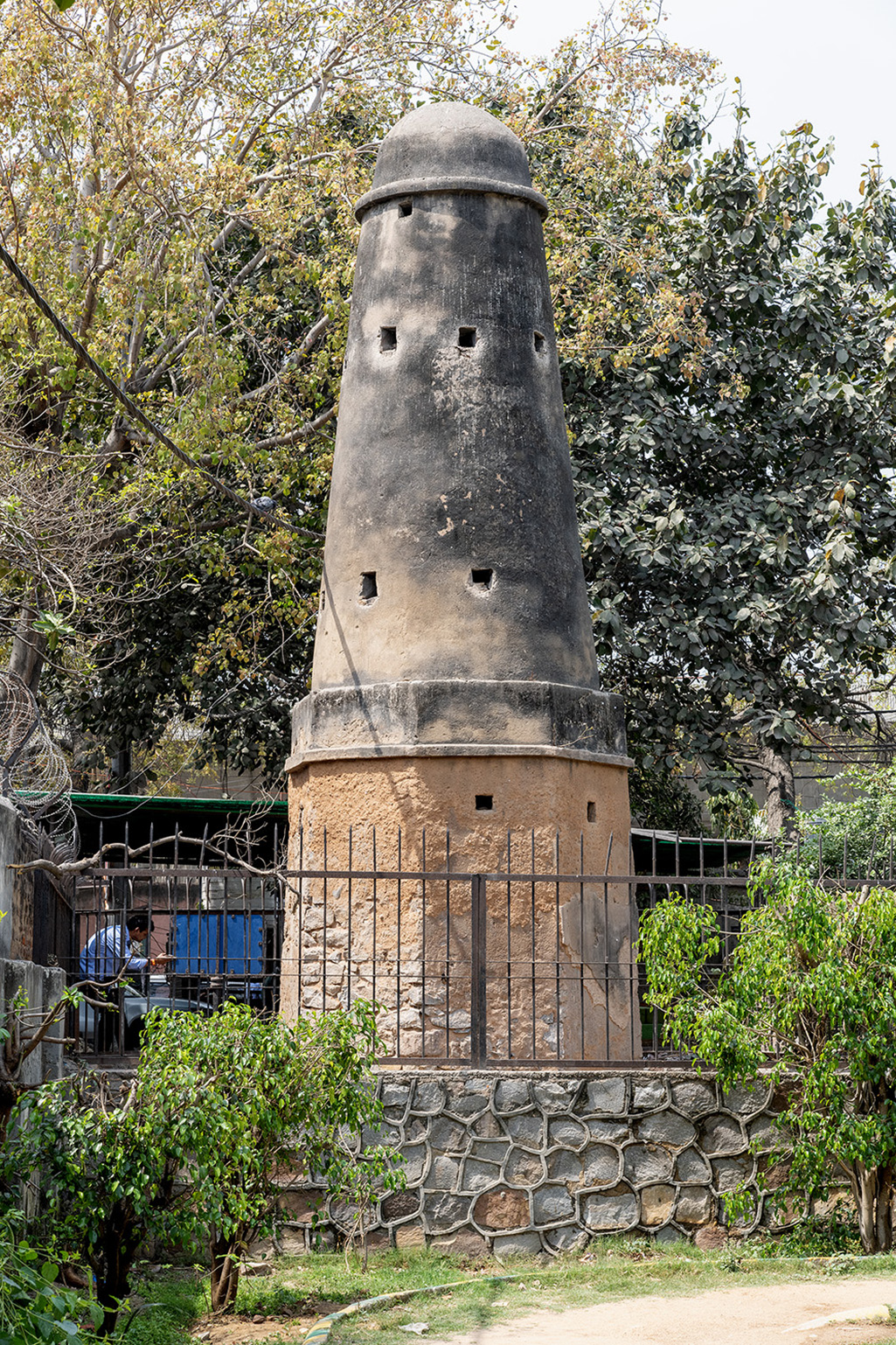
Kos Minar, Badarpur, DelhiThe Kos Minar at Badarpur (MCD Park), South-East Delhi, is a Mughal-period structure dating to 1600–1699 CE. Constructed of lakhori bricks with lime mortar, the monument is maintained by the Department of Archaeology, Government of N.C.T. of Delhi.
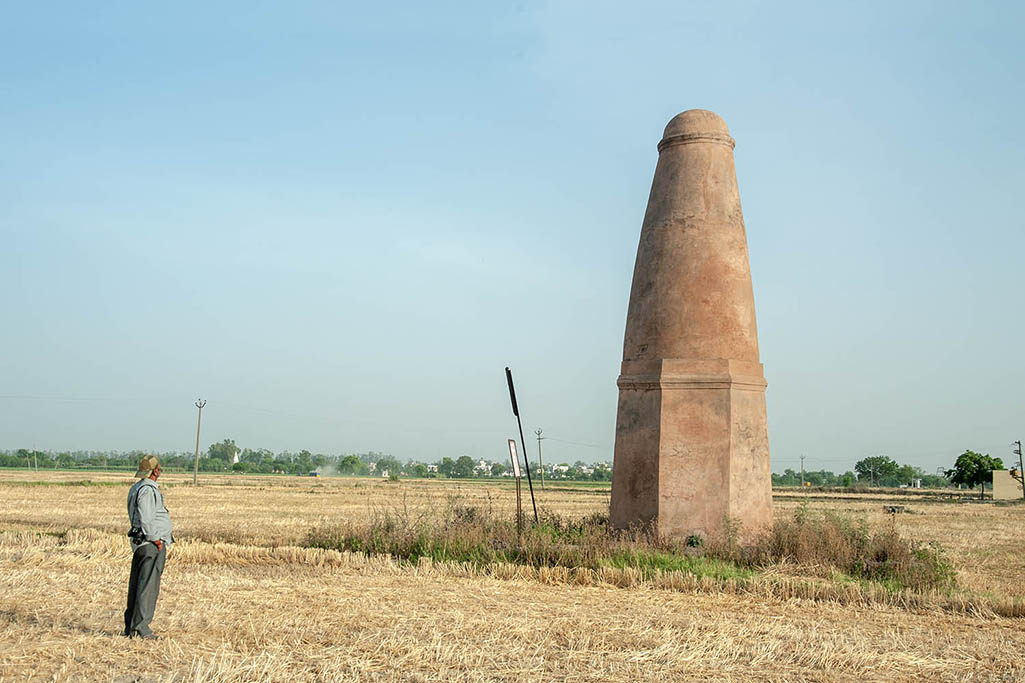
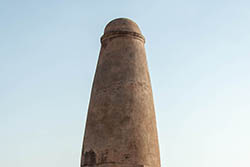
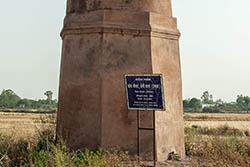
A Mughal-period distance marker located in agricultural fields about 3 kilometres west of National Highway 44 at Bahini Kala in Karnal district of Haryana. Probably constructed between 1600 and 1699 CE, the octagonal tower is built with lakhori bricks with rubble masonry and lime mortar, and has a ring moulding between the octagonal base and cylindrical shaft. The monument is protected by the Archaeological Survey of India (Chandigarh Circle) and remains well maintained, with only minor surface cracks visible and the surrounding area tiled.
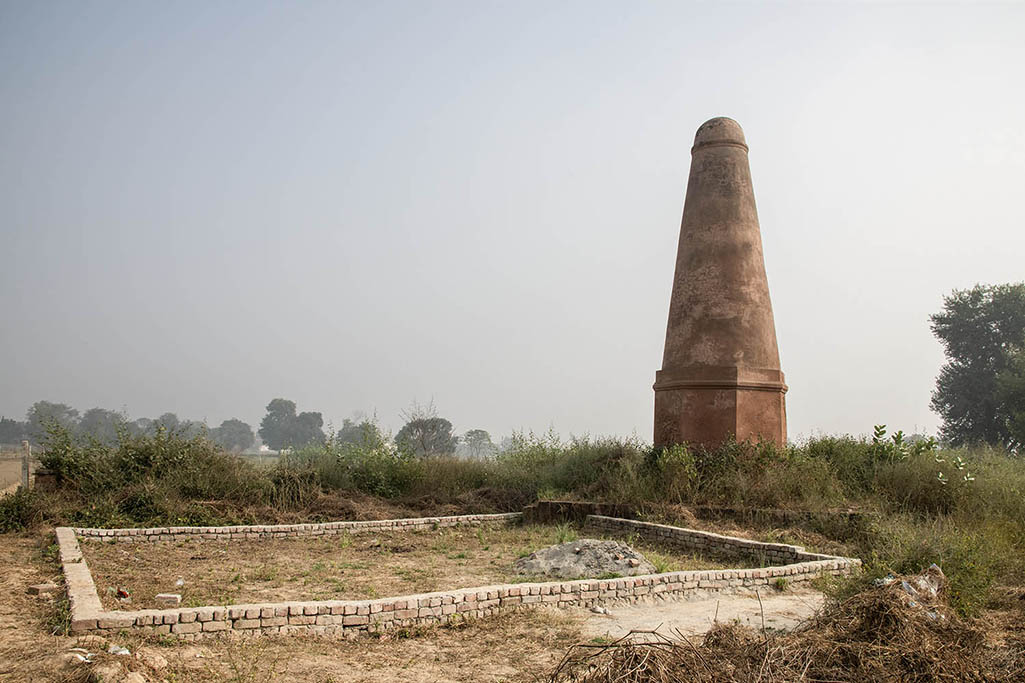
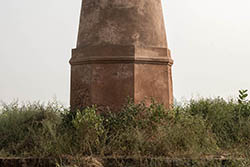
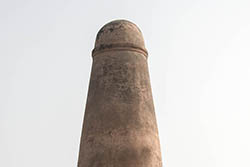
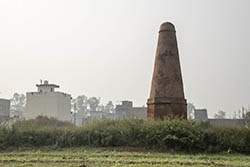
The Kos Minar at Baiyanpur/Madhupur, Sonipat
district of Haryana, is a Mughal-period distance marker built between 1600 and
1699 CE with lakhori bricks bonded with lime mortar. The monument is protected
by the Archaeological Survey of India (Chandigarh Circle).