

 CENTER FOR ART AND ARCHAEOLOGY
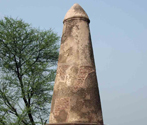
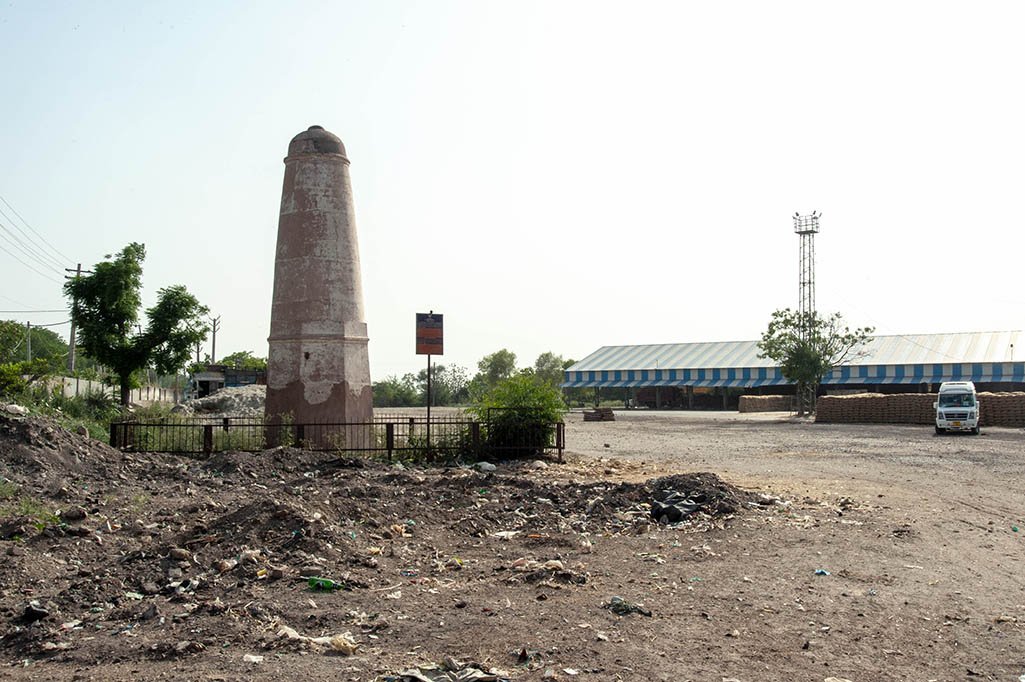
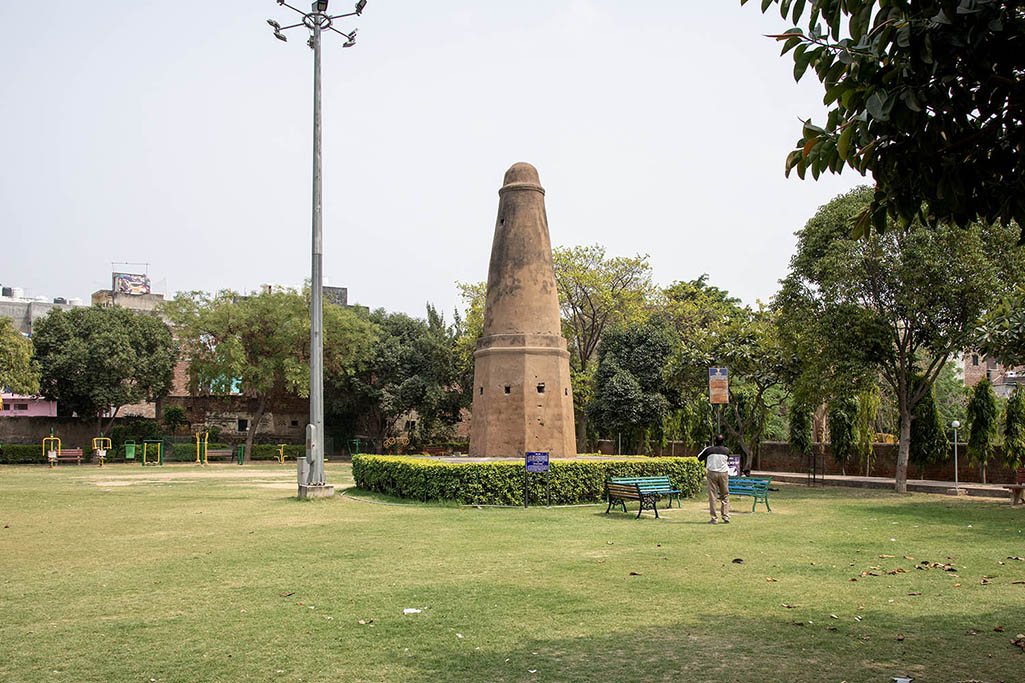
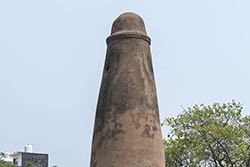
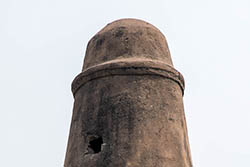
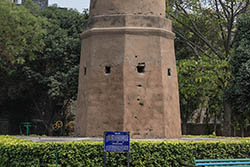
A Mughal-period distance marker located inside
the grain market on the southern side of Nadana Road at Taraori, Karnal,
Haryana. Probably constructed between 1600 and 1699 CE, the octagonal tower is
built of lakhori bricks with rubble masonry and lime mortar, and has a ring
moulding between the octagonal base and cylindrical shaft. The monument is
protected by the Archaeological Survey of India (Chandigarh Circle) and remains
well maintained, with only minor surface cracks visible.
A Mughal-period distance marker located Ashoka
Enclave, Sector 35 in Faridabad district of Haryana. Constructed in the
seventeenth century, the octagonal tower is built of lakhori bricks bonded with
lime mortar. The monument is protected by the Archaeological Survey of India (Chandigarh
Circle) and remains well maintained, despite minor surface blackening and loss
of plaster at the base.
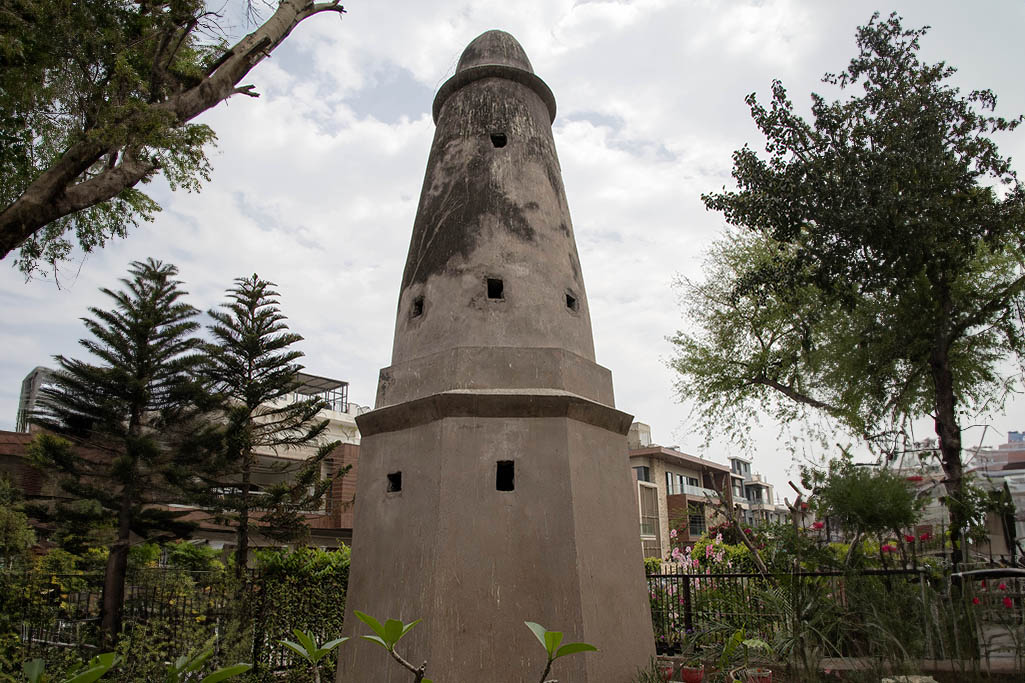
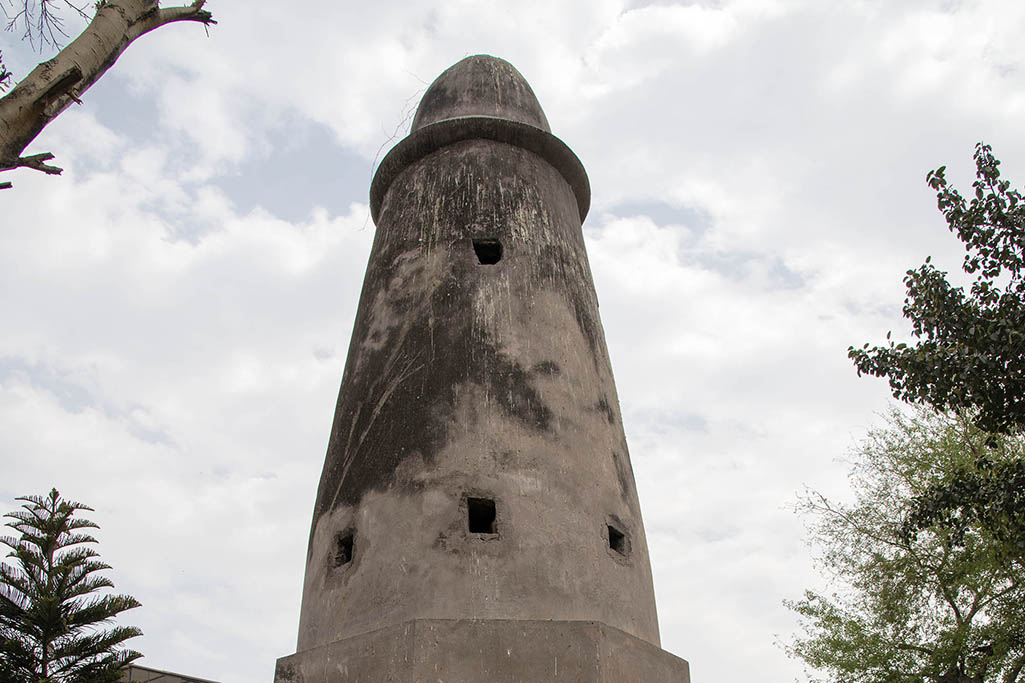
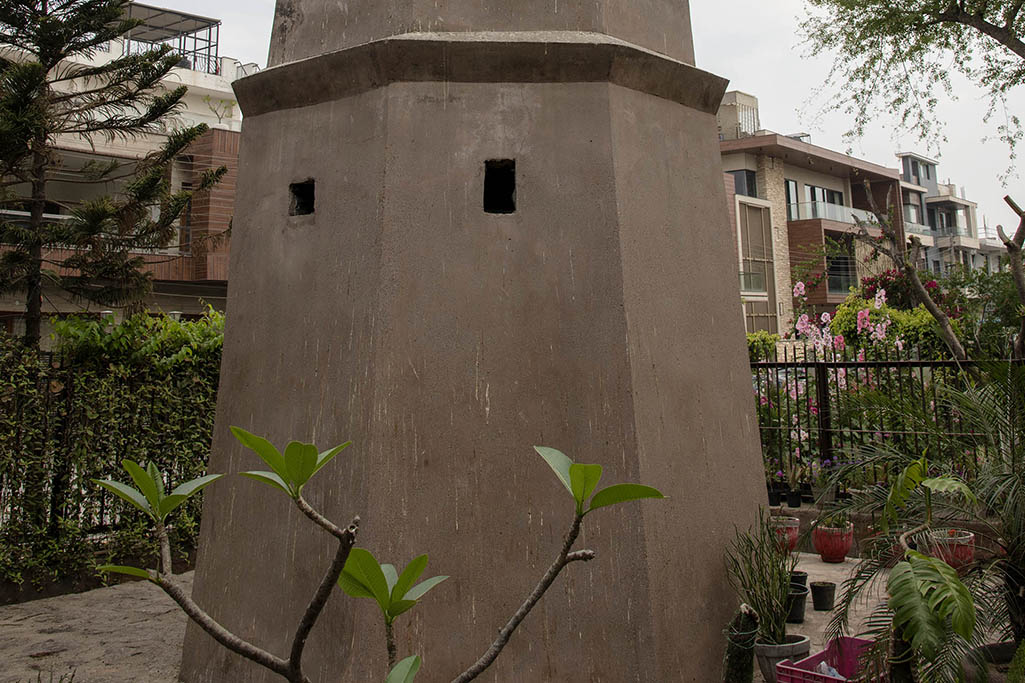
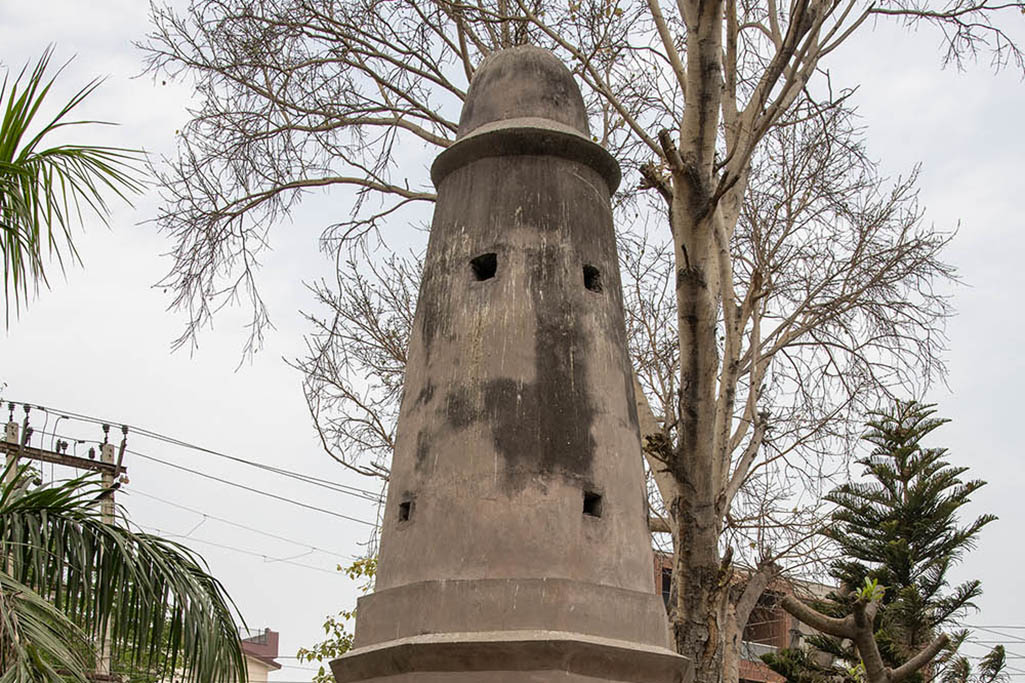
A Mughal-period distance marker located in Sector
29, Khwaja Sarai, Faridaba district of Haryana. Constructed between 1600 and
1699 CE, the octagonal tower is built of lakhori bricks bonded with lime
mortar. The monument is protected by the Archaeological Survey of India
(Chandigarh Circle) and is presently well maintained, despite minor surface
blackening and loss of plaster at the base.
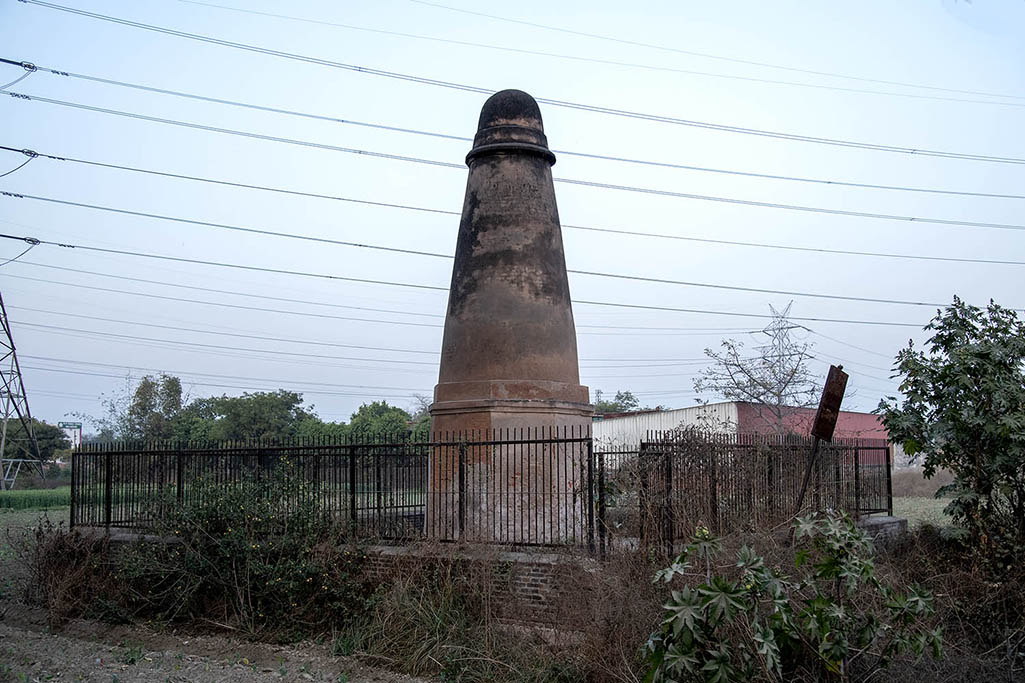
Kos Minar 15 at Sikri, Faridabad district,
Haryana, is a Mughal-period structure dating to 1600–1699 CE. Constructed of
lakhori bricks with lime mortar, the monument is protected and maintained by
the Archaeological Survey of India (Chandigarh Circle).
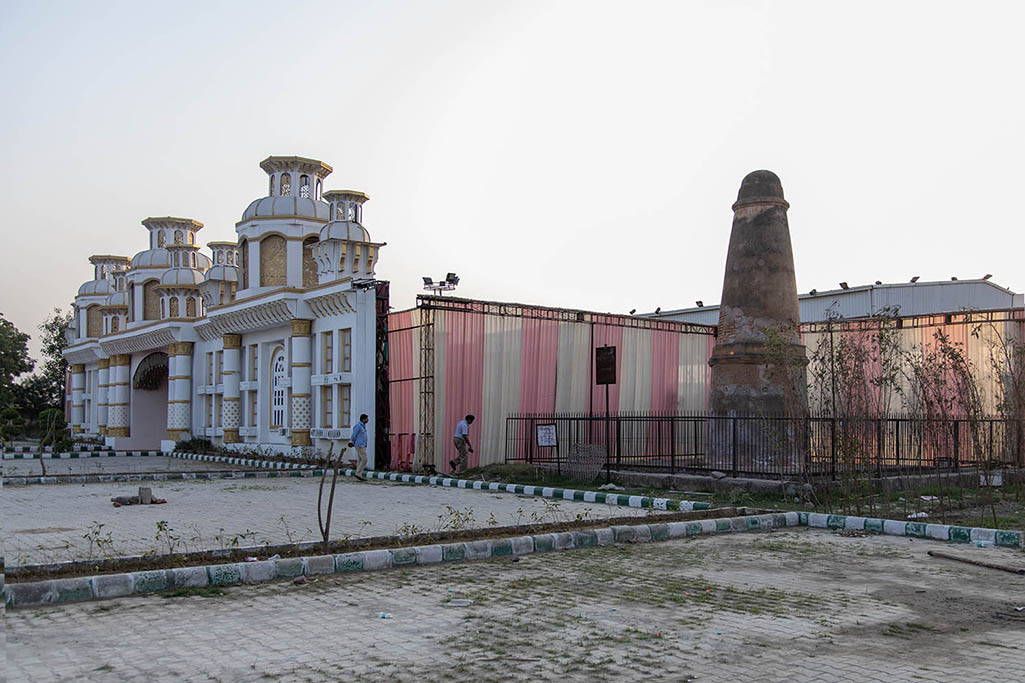
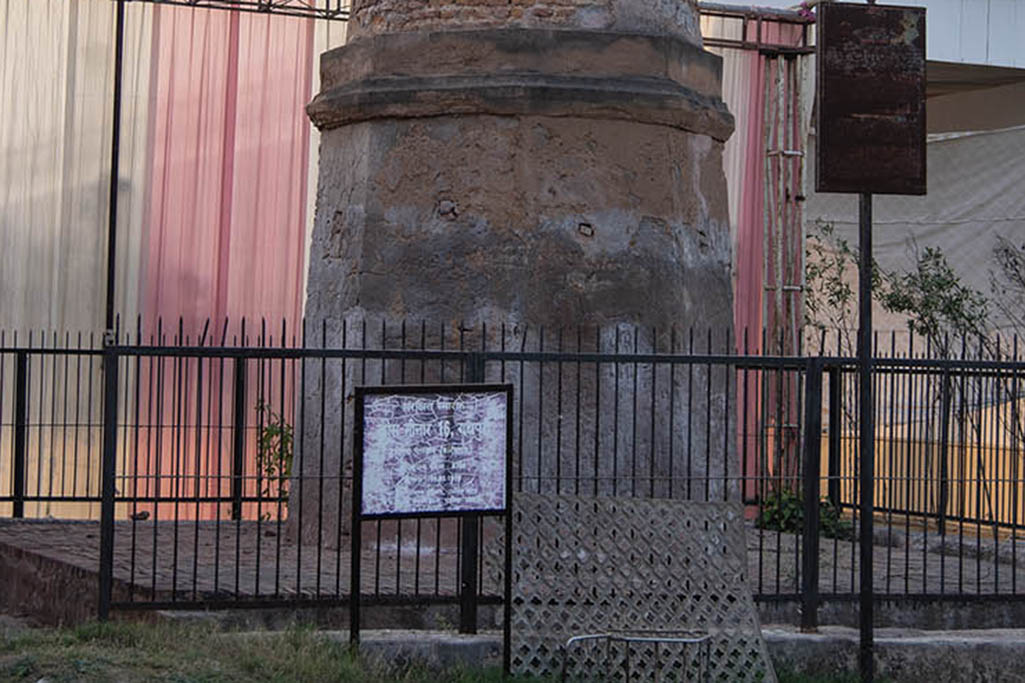
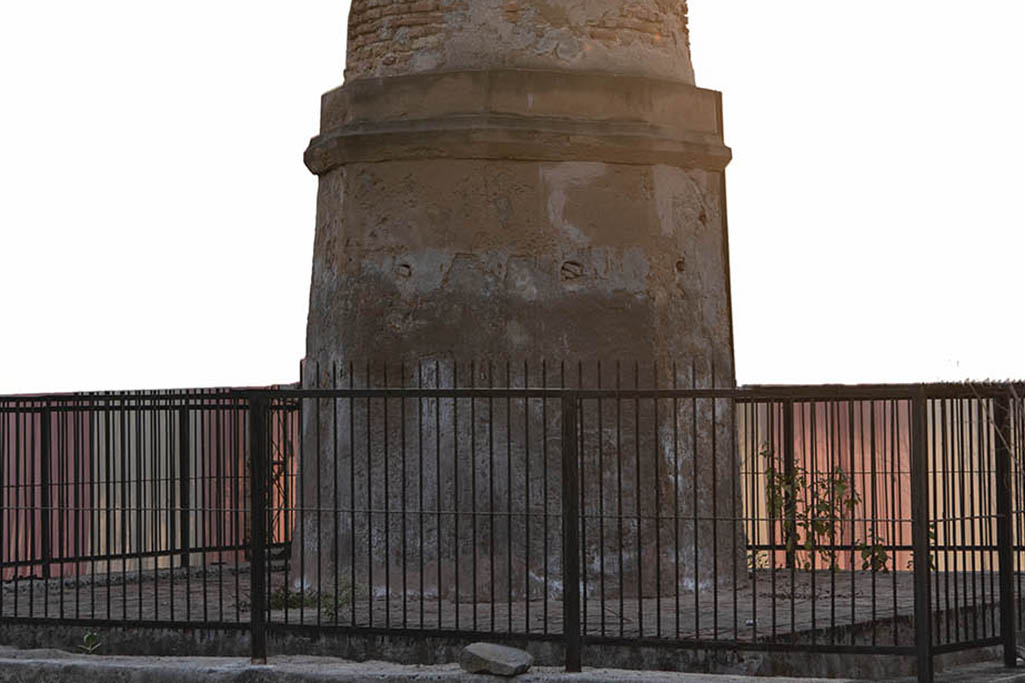
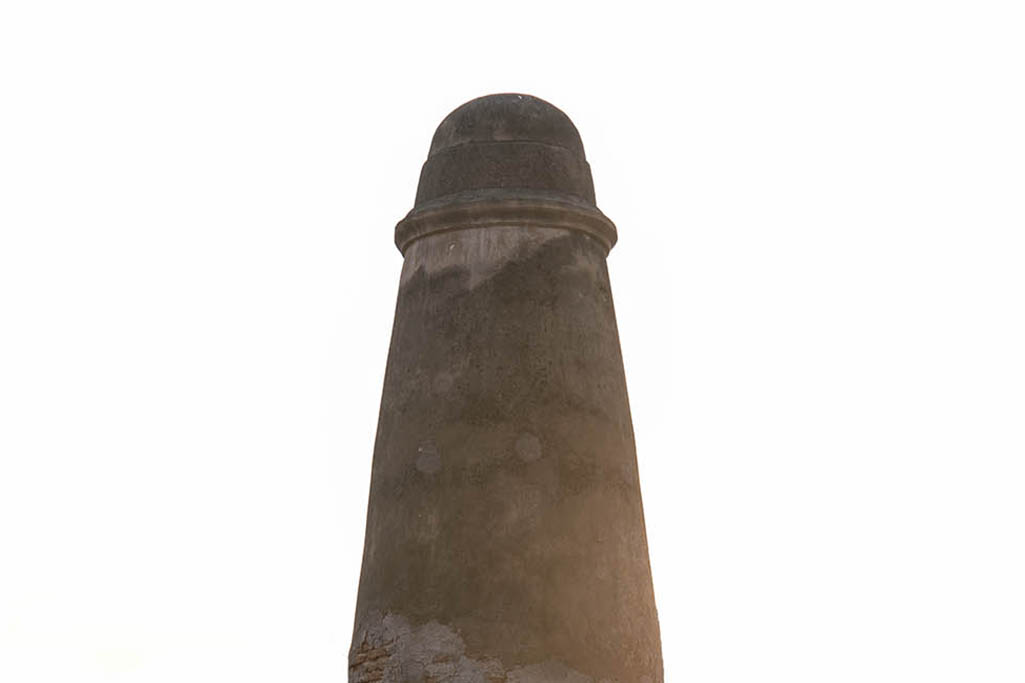
The Kos Minar 16 at Gadpuri, Palwal district,
Haryana, is a Mughal-period distance marker built between 1600 and 1699 CE.
Constructed of lakhori bricks bonded with lime mortar, the octagonal tower
represents the standard Kos Minar type. The monument is protected by the
Archaeological Survey of India (Chandigarh Circle).
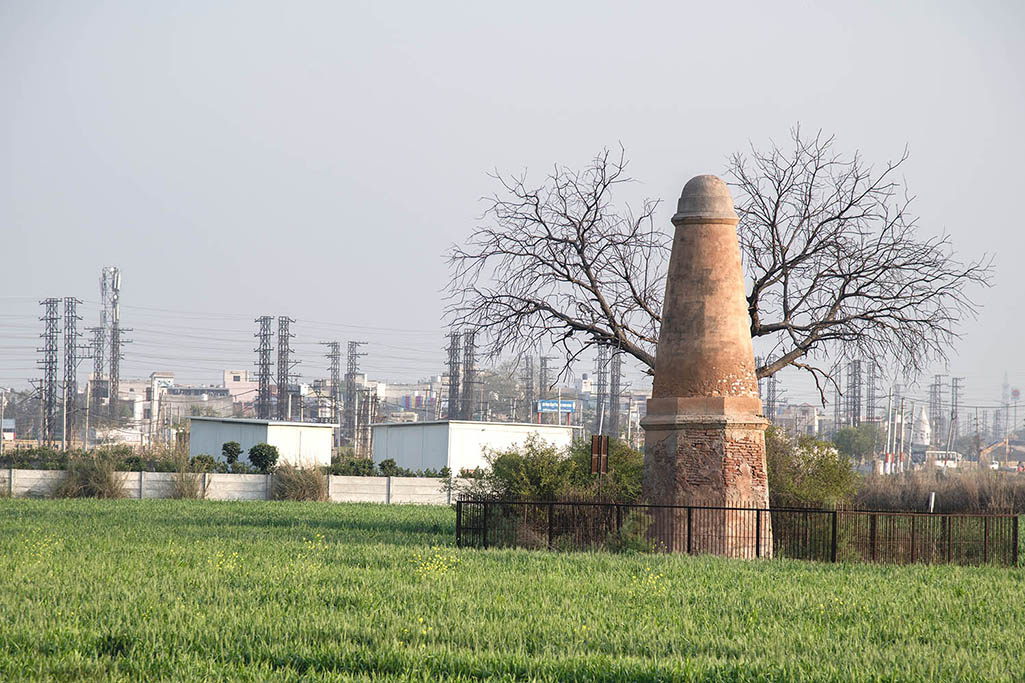
Kos Minar 17 at Miranpur, Palwal district,
Haryana, is a Mughal-period structure dating to c. 1600–1699 CE. Constructed of
lakhori bricks with lime mortar, the monument is protected and maintained by
the Archaeological Survey of India (Chandigarh Circle).