

 CENTER FOR ART AND ARCHAEOLOGY
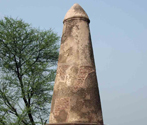
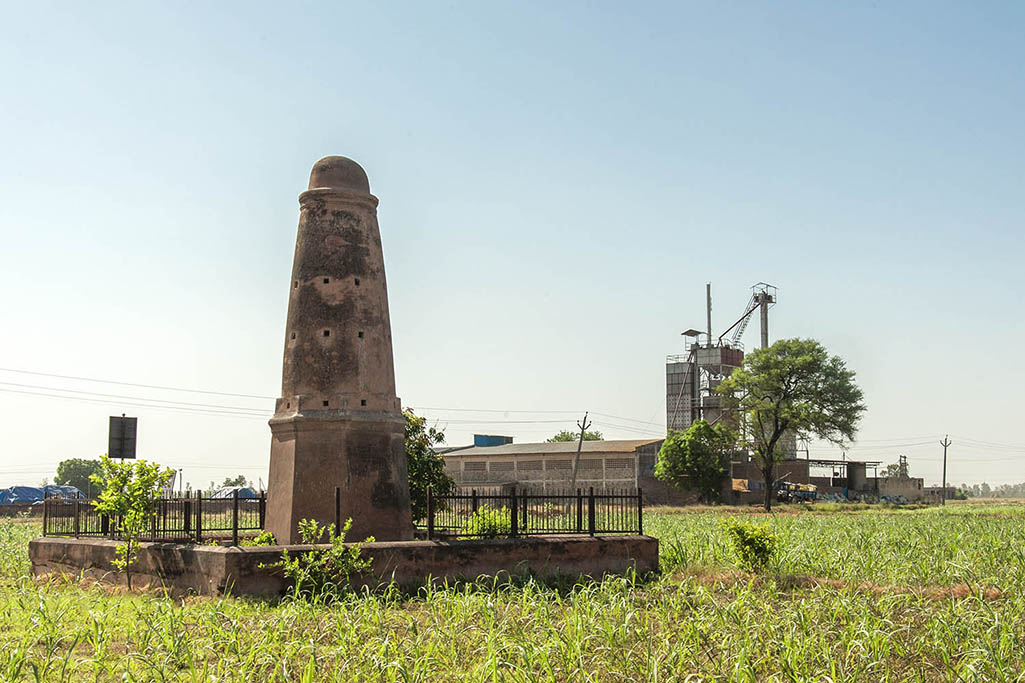
The Kos Minar at Adhaun, Kurukshetra district,
Haryana, is a Mughal-period distance marker built between 1600 and 1699 CE with
lakhori bricks with lime mortar. The monument is protected by the
Archaeological Survey of India (Chandigarh Circle).
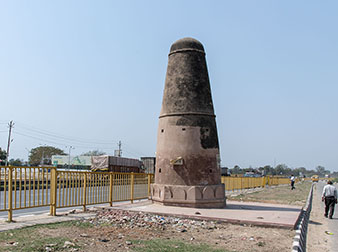
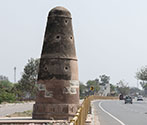
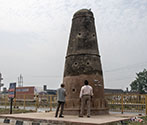
A Mughal-period distance marker located on the
Grand Trunk Road between the main highway and the service road at Ajijapur
(also called Azizpur), Mathura district of Uttar Pradesh. Probably constructed in
the 17th century CE, the octagonal structure is built of lakhori bricks with
lime mortar and plaster, with carved merlons on the lower octagonal base and a
ring moulding on the cylindrical shaft. The monument is protected by the
Archaeological Survey of India (Agra Circle).
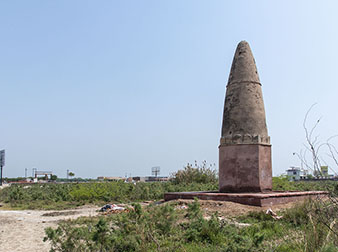
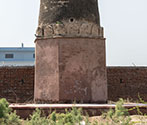
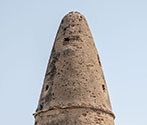
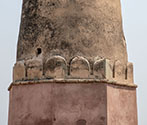
The Kos Minar in Akbarpur in Mathura district
of Uttar Pradesh is a Mughal-period distance marker located in an open ground
about 150 metres west of the old Grand Trunk Road. Built in the 17th century
CE, the octagonal structure is made of lakhori bricks, red sandstone, and lime
mortar, and stands on a low square platform with decorative merlons and
mouldings. The monument is protected by the Archaeological Survey of India
(Agra Circle).
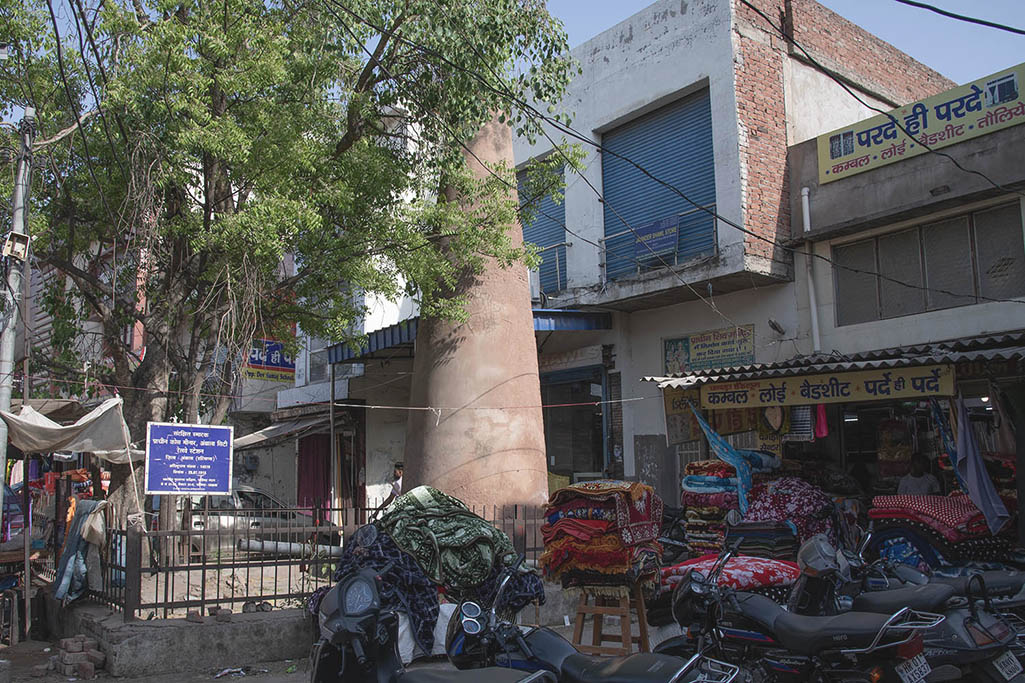
The Kos Minar at Ambala, Ambala district,
Haryana, is a Mughal-period distance marker built between 1600 and 1699 CE with
lakhori bricks bonded with lime mortar. The monument is protected by the
Archaeological Survey of India (Chandigarh Circle).
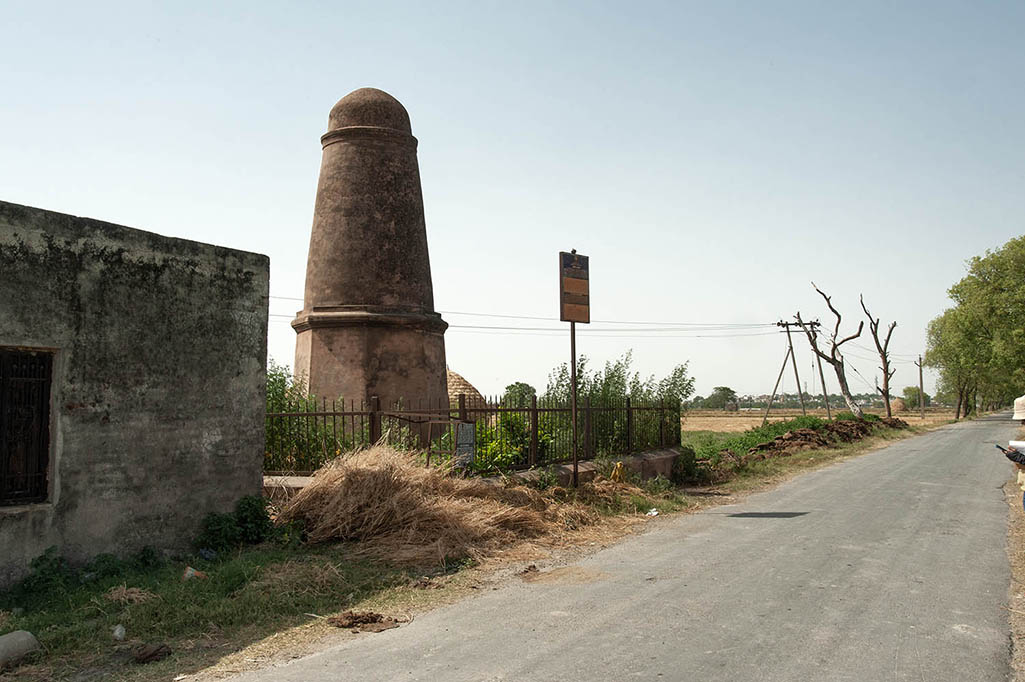
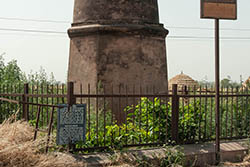
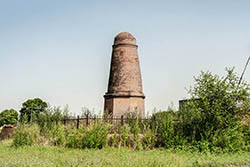
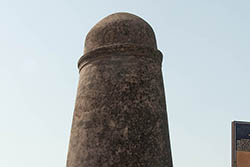
A Mughal-period distance marker located beside
the road leading to Amin village, about 700 metres from the settlement, in
Kurukshetra district, Haryana. Probably constructed between c. 1600 and 1699
CE, the octagonal tower is built of lakhori bricks with rubble masonry and lime
mortar, and has a ring moulding and band between the octagonal base and
cylindrical shaft. The monument is protected by the Archaeological Survey of
India (Chandigarh Circle), was repaired in 1993–94, and remains well maintained
despite minor cracks and surface blackening.
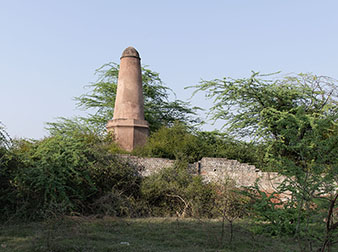
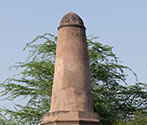
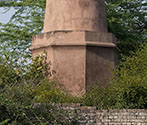
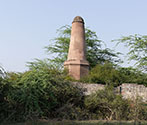
The Kos Minar at Artauni in Agra district of
Uttar Pradesh is a Mughal-period distance marker located about 100 metres north
of the Grand Trunk Road. Probably constructed in the 17th century CE, the
octagonal structure is built of lakhori bricks with lime mortar and plaster and
stands on a raised platform. The monument is protected by the Archaeological
Survey of India (Agra Circle).