

 CENTER FOR ART AND ARCHAEOLOGY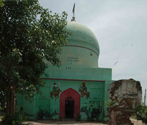
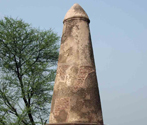
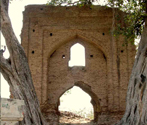
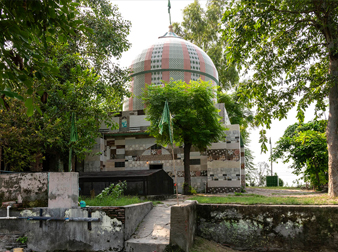
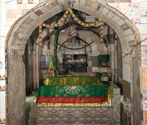
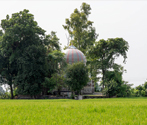
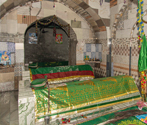
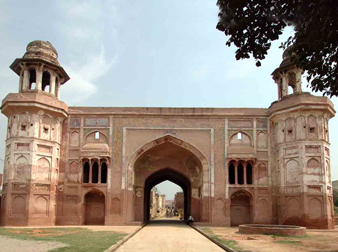
Amanat Khan’s tomb is located near Sarai Amanat Khan in the same village on the Tarn Taran–Attari Road in Punjab. As noted by the Mughal period Punjabi poet Chandrabhan, Amanat Khan was buried at this site, with the tomb constructed approximately 250 meters south of the eastern gateway of the Sarai. The construction likely began during Amanat Khan’s lifetime and was completed by his son, Aqil Khan, around 1054-55 AH (1644-45 CE). It is believed that Amanat Khan settled in the village following the death of his brother
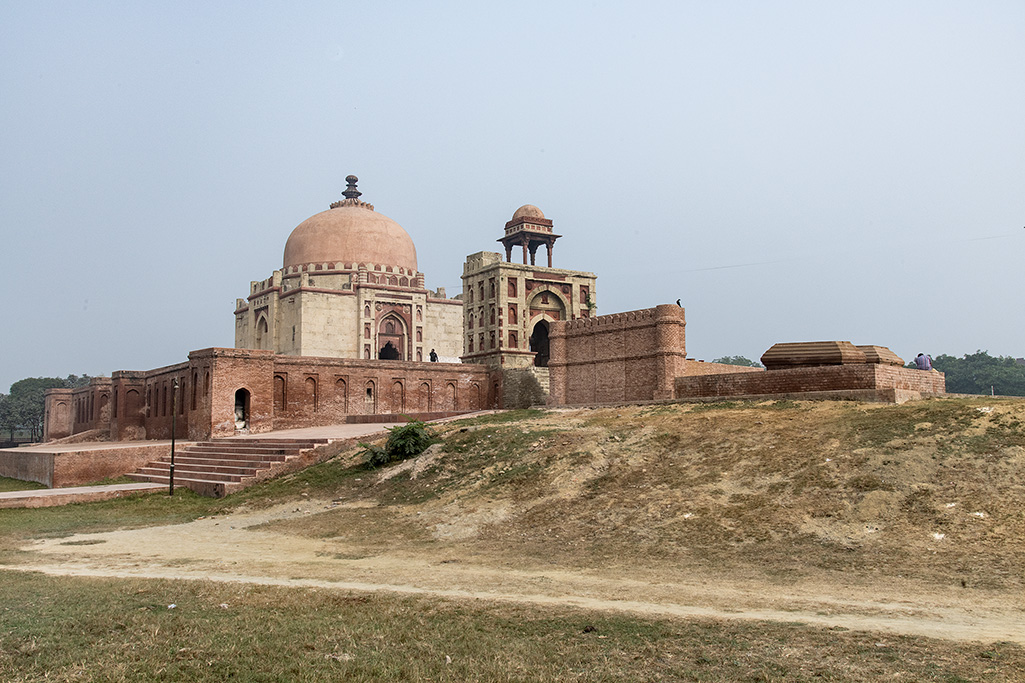
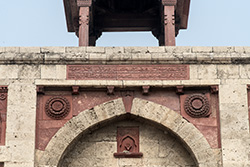
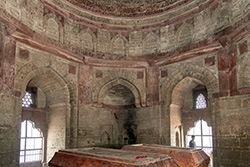
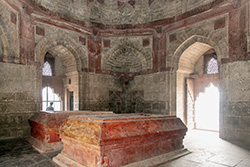
The Tomb of Miyan Khwaja Khizr at Jamalpura,
Sonipat district, Haryana, is a Lodhi-period monument dated to 1524 CE and
commissioned by Mufti Langar Khan Khizr. Constructed of red sandstone, kankar,
brick, and lime mortar, the monument is protected and maintained by the
Archaeological Survey of India (Chandigarh Circle).
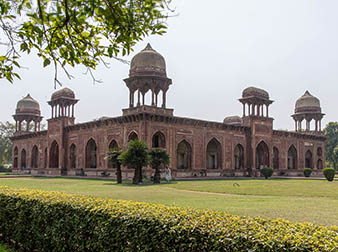
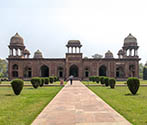
A Mughal-period mausoleum located south of
Mathura Road near the Pathwari Temple at Kailash Mod, Sikandra, Agra district
of Uttar Pradesh. Constructed between 1623 and 1627 CE by Emperor Jahangir in
memory of his mother, Mariam Zamani, the tomb was adapted from an earlier
Lodi-period baradari and transformed into a dome-less Mughal tomb with chhatris
and chhaparkhats. Built of lakhori bricks, red sandstone, and lime mortar, the
monument is protected by the Archaeological Survey of India (Agra Circle) and
remains well maintained.
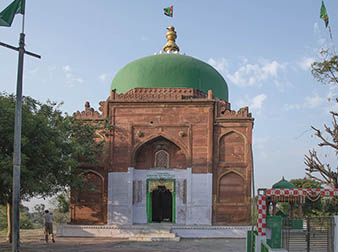
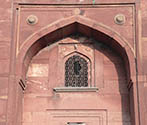
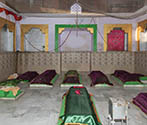
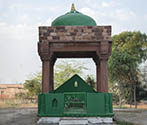
Tomb of Sheikh Musa is a Mughal-period
mausoleum located along the Bikaner-Agra Road near Fatehpur Sikri in Agra
district of Uttar Pradesh. Constructed of sandstone, marble, and lime mortar, the
tomb features a central entrance on its south facade. The monument survives
primarily in its exterior form and marks an important local burial site in
Fatehpur Sikri.