

 CENTER FOR ART AND ARCHAEOLOGY
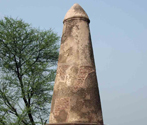
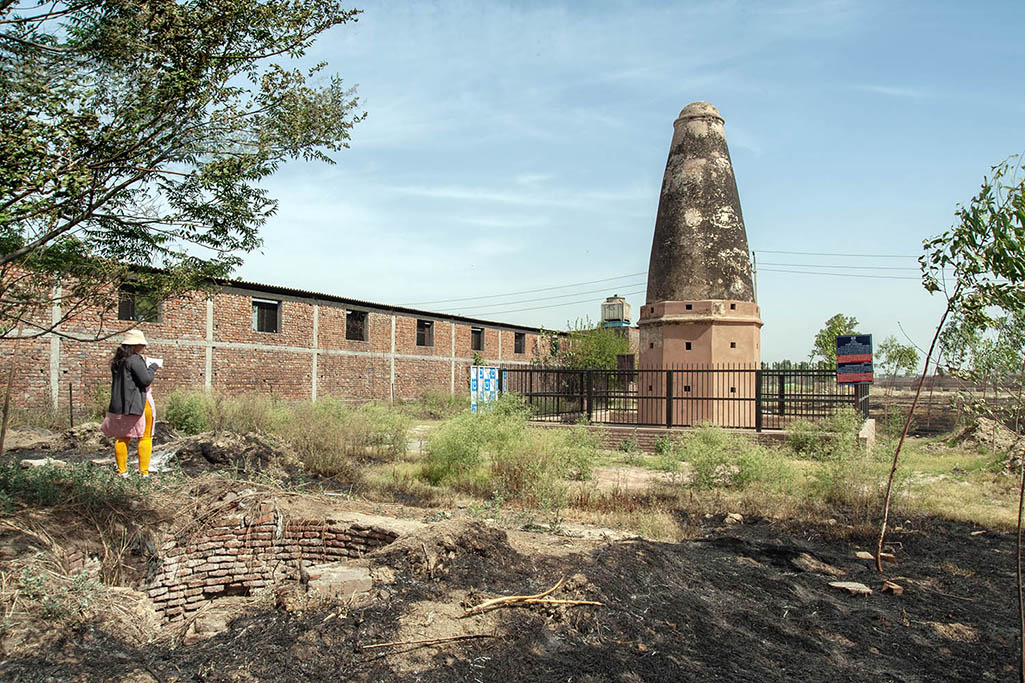
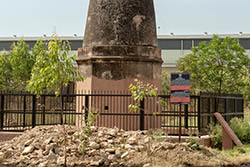
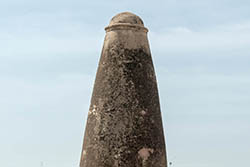
A Mughal-period distance marker located about
100 metres east of National Highway 44 (Old Grand Trunk Road), behind a factory
at Kutail, Karnal, Haryana. Probably constructed between 1600 and 1699 CE, the
octagonal tower is built of lakhori bricks with rubble masonry and lime mortar,
and stands on a brick platform with a ring moulding between the octagonal base
and cylindrical shaft. The monument was notified as a protected structure on
March 27, 1919, and is protected by the Archaeological Survey of India (Chandigarh
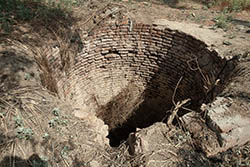
Circle). It remains well maintained, with minor cracks and surface blackening
visible; a well is situated to the south of the minar.
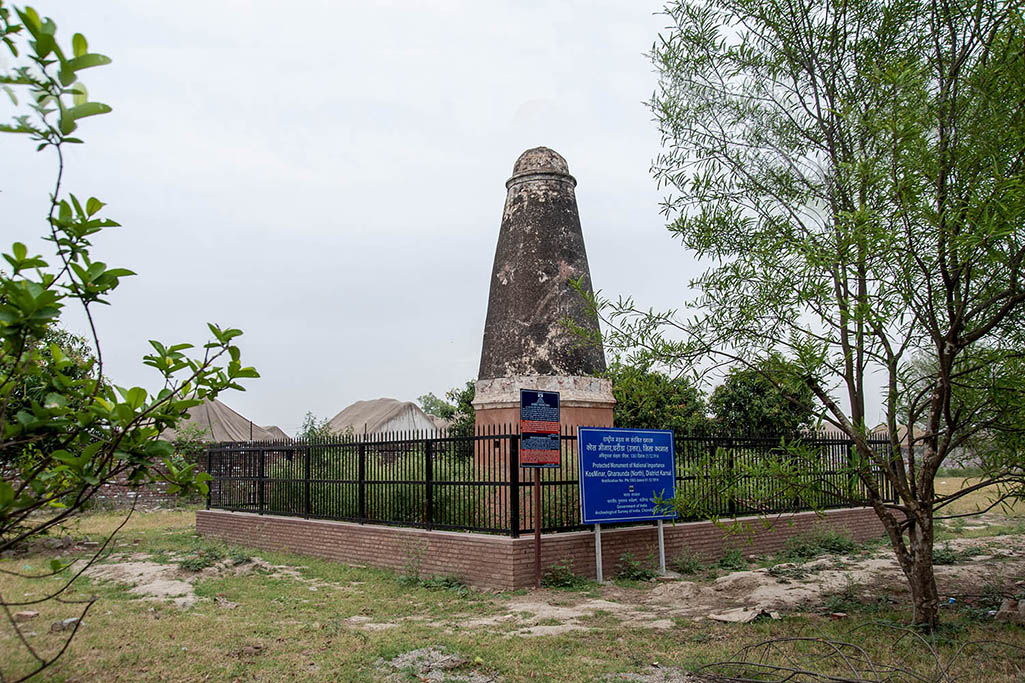
A Mughal-period distance marker located about
2.5 kilometres north of Gharaunda, between National Highway 44 (Old Grand Trunk
Road) and the railway track in Karnal, Haryana. Probably constructed between
1600 and 1699 CE, the octagonal tower is built of lakhori bricks with rubble
masonry and lime mortar, and stands on a brick platform with a ring moulding
between the octagonal base and cylindrical shaft. The monument was notified as
a protected structure on December 2, 1914, and is protected by the
Archaeological Survey of India (Chandigarh Circle). It remains well maintained,
though minor cracks and surface blackening are visible.
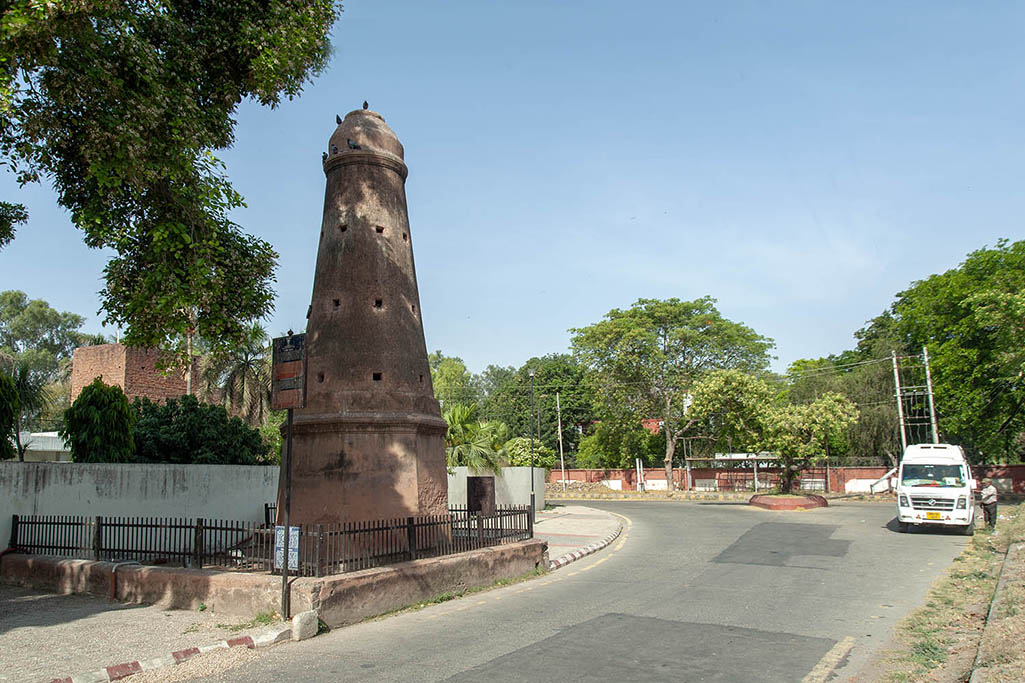
The Kos Minar (North) at Karnal (Minar Road),
Karnal district, Haryana, is a Mughal-period structure dating to 1600–1699 CE
and is constructed of lakhori bricks with lime mortar. The monument is
currently protected and maintained by the Archaeological Survey of India
(Chandigarh Circle).
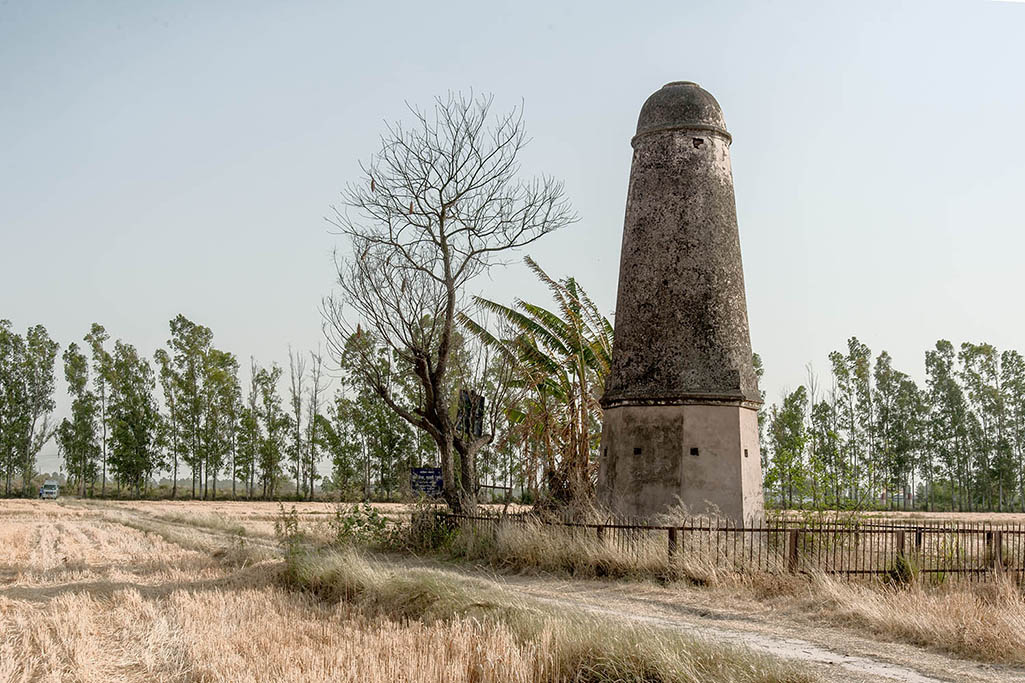
The Kos Minar (North) at Taraori (Sadiqpur), Karnal district, Haryana,
is a Mughal-period structure dating to 1600–1699 CE. Constructed of lakhori
bricks with lime mortar, the monument is protected and maintained by the
Archaeological Survey of India (Chandigarh Circle).
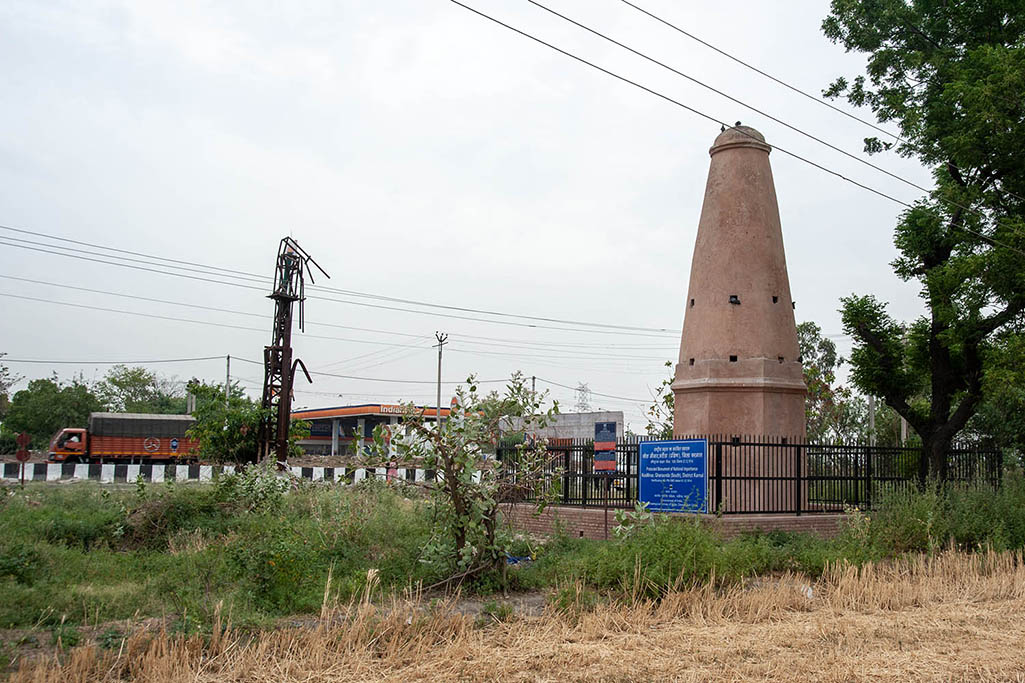
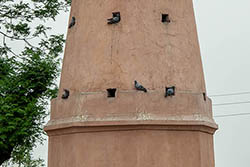
A Mughal-period distance marker located about
2 kilometres south of Gharaunda and approximately 50 metres from National
Highway 44 (Old Grand Trunk Road), Karnal, Haryana. Probably constructed
between 1600 and 1699 CE, the octagonal tower is built of lakhori bricks with
rubble masonry and lime mortar, and stands on a brick platform with a ring
moulding between the octagonal base and cylindrical shaft. The monument was
notified as a protected structure on December 1, 1914, and is protected by the
Archaeological Survey of India (Chandigarh Circle). It remains well maintained,
though minor cracks and surface blackening are visible.
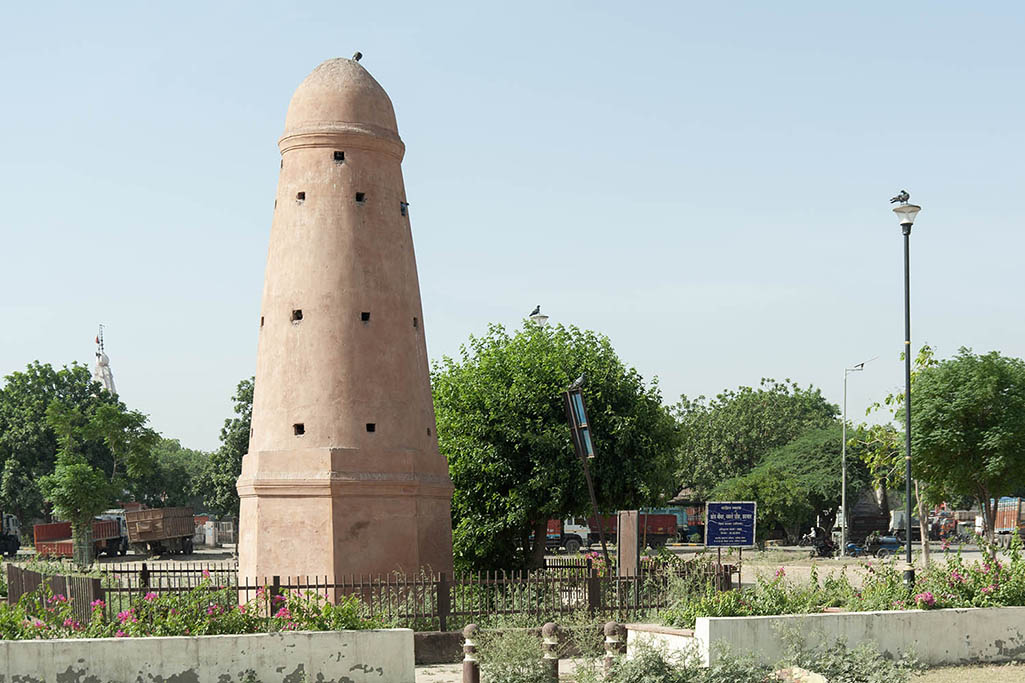
A Mughal-period distance marker located at
Namastey Chowk in Karnal district of Haryana. Probably constructed between 1600
and 1699 CE, the octagonal tower is built of lakhori bricks with rubble masonry
and lime mortar, and stands on a brick platform with a ring moulding between the
octagonal base. The monument is protected by the Archaeological Survey of India
(Chandigarh Circle). It remains well maintained, with only minor surface cracks
visible.