

 CENTER FOR ART AND ARCHAEOLOGY
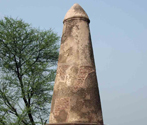
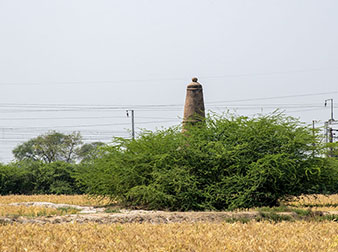
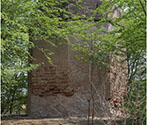
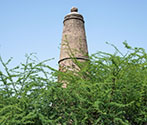
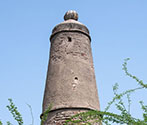
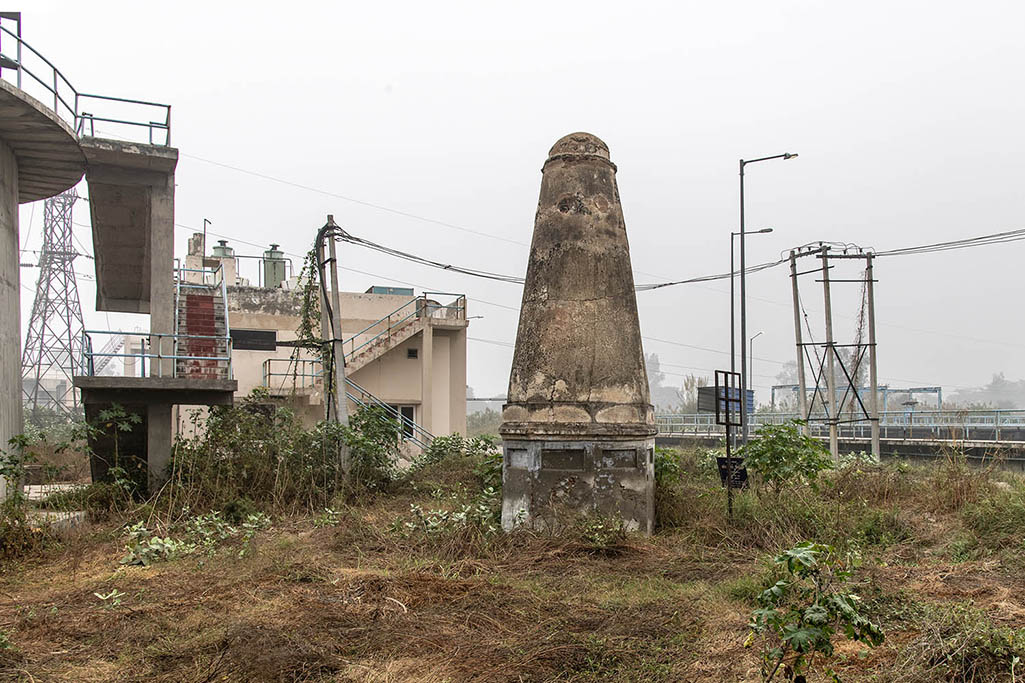
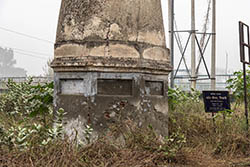
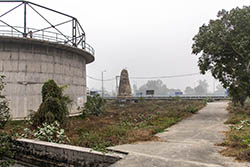
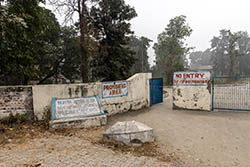
This distance marker is a located in an
agricultural field about 130 metres west of the old Grand Trunk Road, opposite
Sanskriti University, near Semri, Mathura district of Uttar Pradesh. Probably
constructed in the 17th century CE, the octagonal structure is built of lakhori
bricks with lime mortar and plaster and stands on a low square platform, with
merlons, ring moulding, and a bulb-like finial at the top. The monument is
protected by the Archaeological Survey of India (Agra Circle); however, surface
blackening, cracks, loss of plaster, and deteriorated bricks are visible, and
dense thorny vegetation around the structure made access difficult at the time
of photography.
The Kos Minar at Sewah, Panipat district,
Haryana, is a Mughal-period structure dating to 1600–1699 CE. Constructed of
lakhori bricks with lime mortar, the monument is protected and maintained by
the Archaeological Survey of India (Chandigarh Circle).
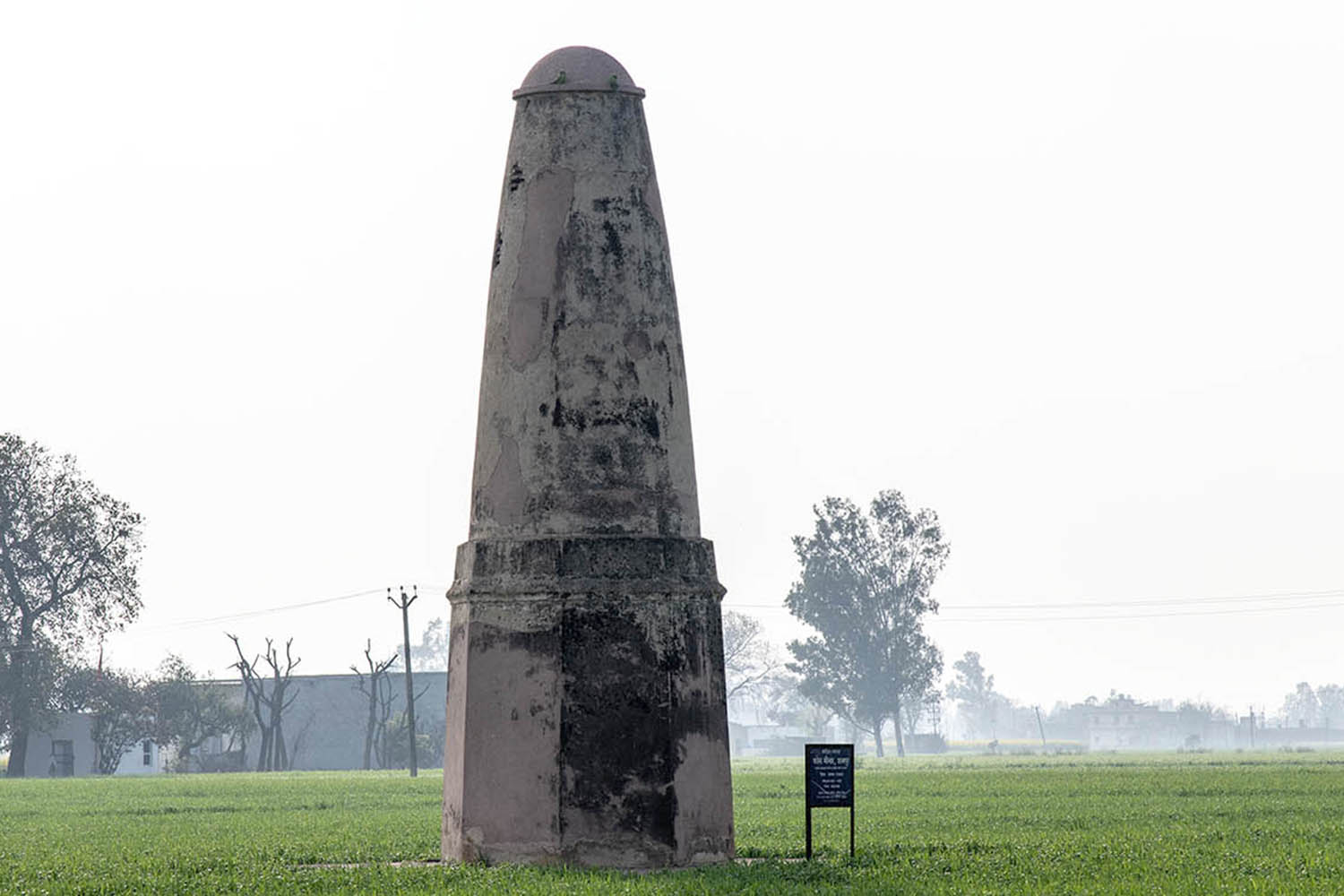
This Kos Minar is a Mughal-period octagonal
distance marker located in agricultural fields to the south of the
Nurmahal–Phillaur stretch of the Grand Trunk Road in Shampur in Jalandhar
district of Punjab. Constructed in the seventeenth century, it is built of
lakhori bricks set in lime mortar. The monument is protected by the Archaeological
Survey of India (Chandigarh Circle) and survives in good condition; however,
access is limited due to surrounding fields.
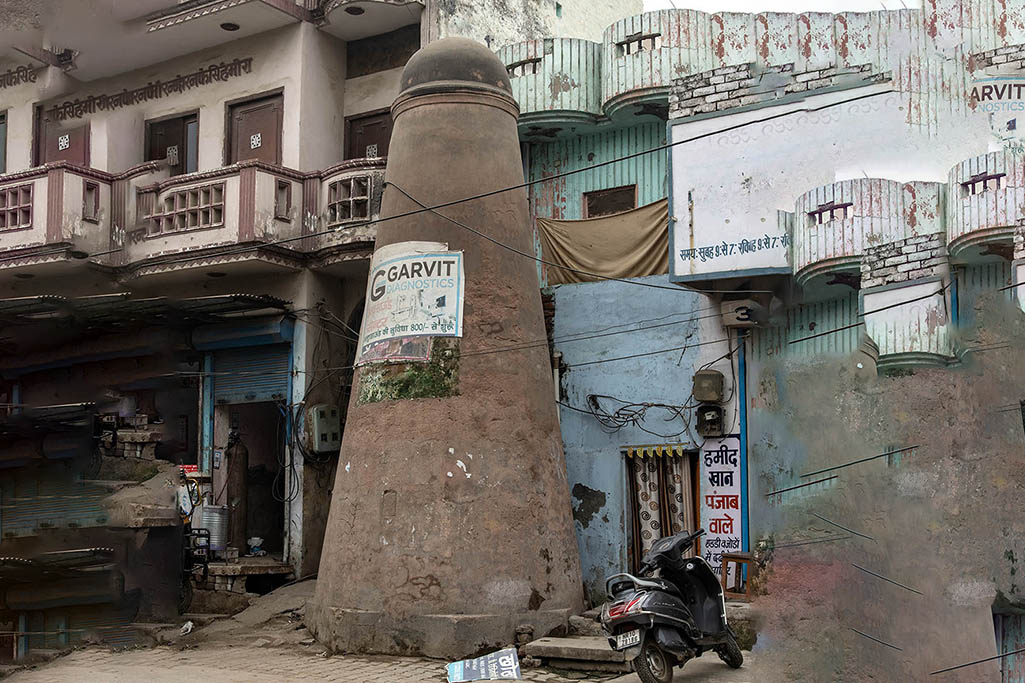
The Kos Minar at Sonipat (Ganaur Road), Sonipat district, Haryana, is a Mughal-period structure dating to c. 1600–1699 CE. Constructed of lakhori bricks with lime mortar, the monument is protected and maintained by the Archaeological Survey of India (Chandigarh Circle).
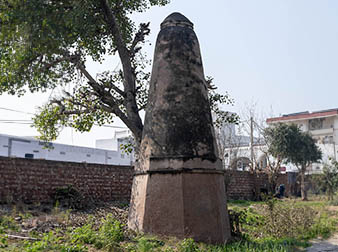
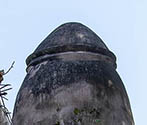
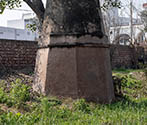
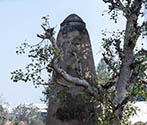
This Kos Minar is a Mughal-period octagonal
distance marker located to the north of the caravansarai (rest house) near the
bus stand at Sultanpur Lodhi in Kapurthala district of Punjab. Constructed in
the seventeenth century, it is built of lakhori bricks set in lime mortar. The
monument is unprotected and survives in generally good condition, though
vegetation growth and the presence of a peepal tree adjacent to the structure
pose risks to its stability.
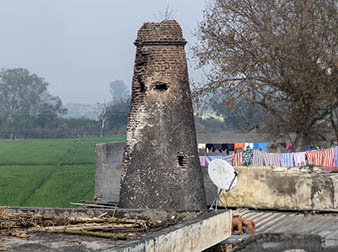
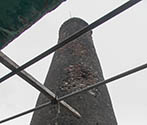
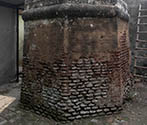
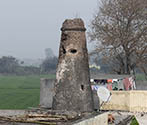
This Kos Minar is a Mughal-period octagonal
distance marker located in the Shri Ram temple complex in Tarn Taran (Leprosy
Colony) in Punjab. Constructed in the seventeenth century, it is built of
lakhori bricks set in lime mortar. The monument unprotected, survives in fair
condition, with plaster intact on the lower portion and exposed brickwork
visible on the upper section.