

 CENTER FOR ART AND ARCHAEOLOGY
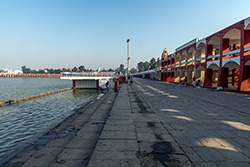
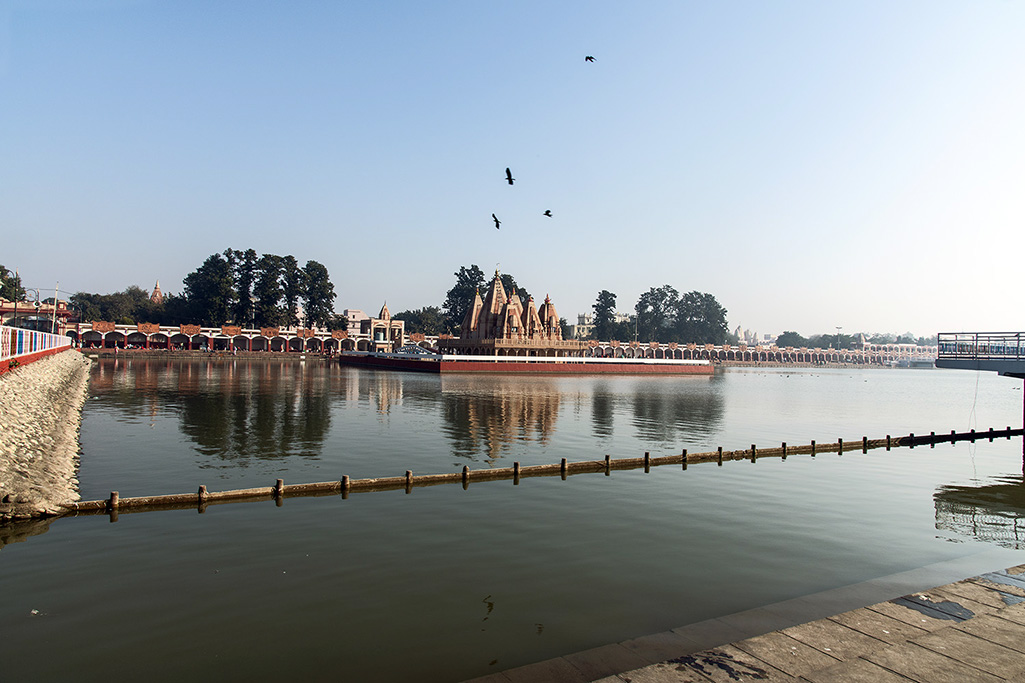
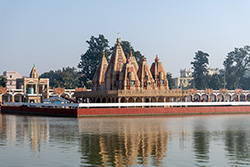
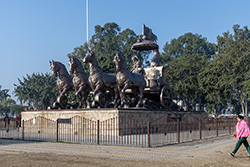
The Brahma Sarovar is a water tank located
about 220 metres south of the Kurukshetra–Pipli Road in Kurukshetra district of
Haryana. According to local tradition, it was originally excavated by King
Kuru, the legendary ancestor of the Kauravas and Pandavas, and is associated
with the belief that Lord Brahma created the universe at this site. The present
structure, built of brick and cement mortar, includes modern ghats and
surrounding constructions that appear to date largely to the 21st century.
Though unprotected, the sarovar remains in good condition and continues to
serve as an important pilgrimage centre.
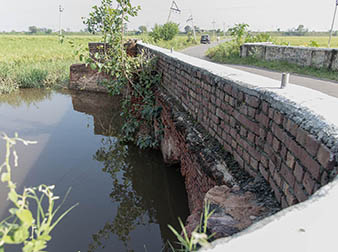
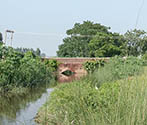
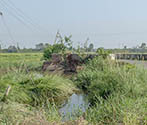
This bridge is located to the south of Patarsi Kalan village along the Patarasi Kalan (Chandumajra Road) in Fatehgarh Sahib district of Punjab. Although no historical records identify its date or patronage, the structure comprises two pointed arches with parapets rebuilt in modern brickwork and cylindrical towers. The bridge remains in active use, carrying a tarred roadway and serving as an important local crossing.
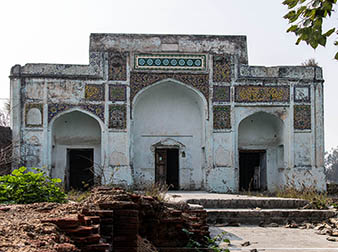
The mosque at Raja Tal is a Mughal-period
religious structure located approximately 300 metres south of the Tank of
Todarmal in Amritsar district of Punjab. It was constructed in 1666–67 CE
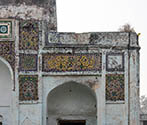
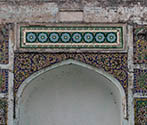
during the period of Emperor Aurangzeb. Built of lakhori bricks set in lime
mortar and plaster, the mosque incorporates glazed-tile decoration on its
facade. Architecturally, the mosque is developed on two levels: a lower
basement chamber with arched openings possibly used as a madrasa or residence
for the imam, and an upper prayer hall articulated by three arched entrances.
In proximity to the mosque are two graveyards, locally referred to as khanqahs.
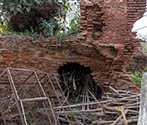
The monument is unprotected and currently non-functional, showing extensive
signs of deterioration such as loss of plaster, missing glazed tiles,
vegetation growth, and damage to the basement arches.
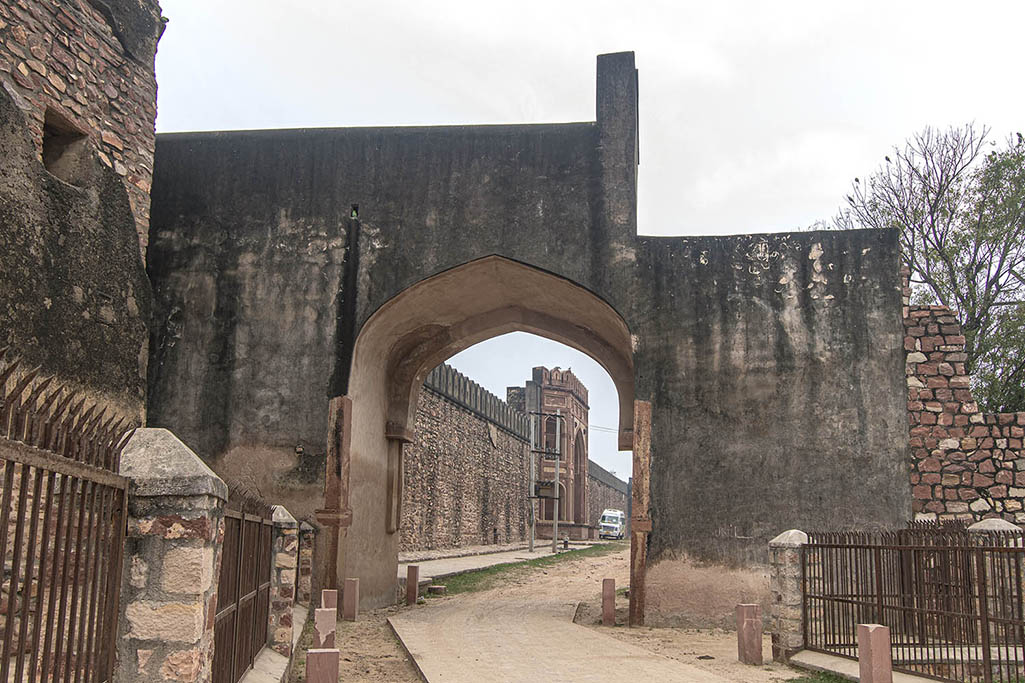
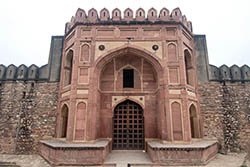
The Akbari Sarai at Fatehpur Sikri of Agra
district in Uttar Pradesh is a Mughal-period caravansarai or rest house constructed
during the reign of Emperor Akbar (r. 1556-1605) and is among the earliest
surviving sarais of the Mughal era. It is referred to in early
seventeenth-century accounts, including those of the European traveller William
Finch. Built primarily of red sandstone, the sarai is a substantial four-terraced
complex with a double-storeyed gateway and rooms arranged around a central
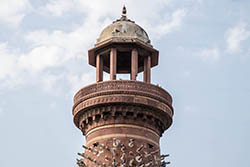
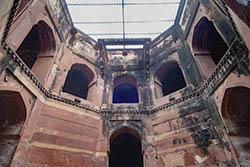
courtyard. The complex also includes a Mughal-period octagonal stepwell,
probably constructed between 1572 and 1575 CE, and the Hiran Minar, a
watchtower or commemorative structure dating to the same period. All these
monuments are protected by the Archaeological Survey of India (Agra Circle).
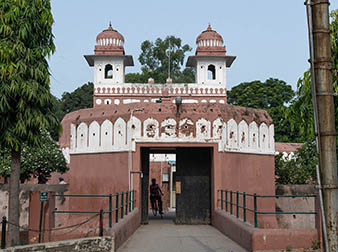
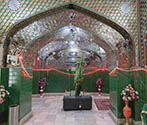
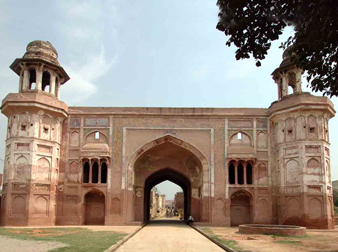
Located along the Grand Trunk Road (NH 44) in
southern Phillaur in Jalandhar district of Punjab, this site originated as a
Mughal-period sarai (rest house), likely established in the early seventeenth
century and associated with Shah Jahan’s reign (r. 1628-1658). In the early
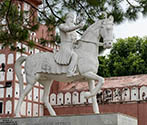
nineteenth century, Maharaja Ranjit Singh converted the sarai into a fortified
complex by adding defensive walls, bastions, and a ditch, transforming it into
what is now known as Phillaur Fort. The monument was notified as protected by
the Archaeological Survey of India in 2010 and presently houses the Maharaja
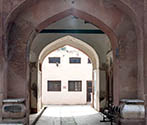
Ranjit Singh Punjab Police Academy. Only limited elements of the original sarai
survive, notably the Lahori and Delhi gateways, while later Sikh-period and
subsequent adaptations dominate the existing fabric.
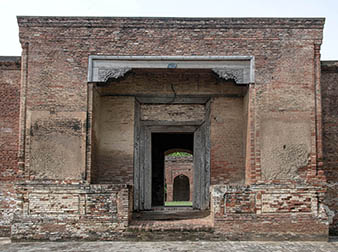
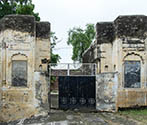
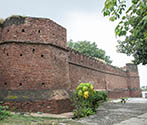
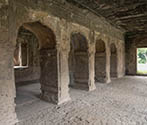
The Payal fort is a late eighteenth-century
fortified structure located near the town of Payal in Ludhiana district of
Punjab. Tentatively dated to around 1771 CE and possibly associated with
Maharaja Amar Singh, the fort is constructed of lakhori bricks set in lime
mortar. The monument is protected by the Archaeological Survey of India
(Chandigarh Circle).