

 CENTER FOR ART AND ARCHAEOLOGY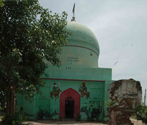
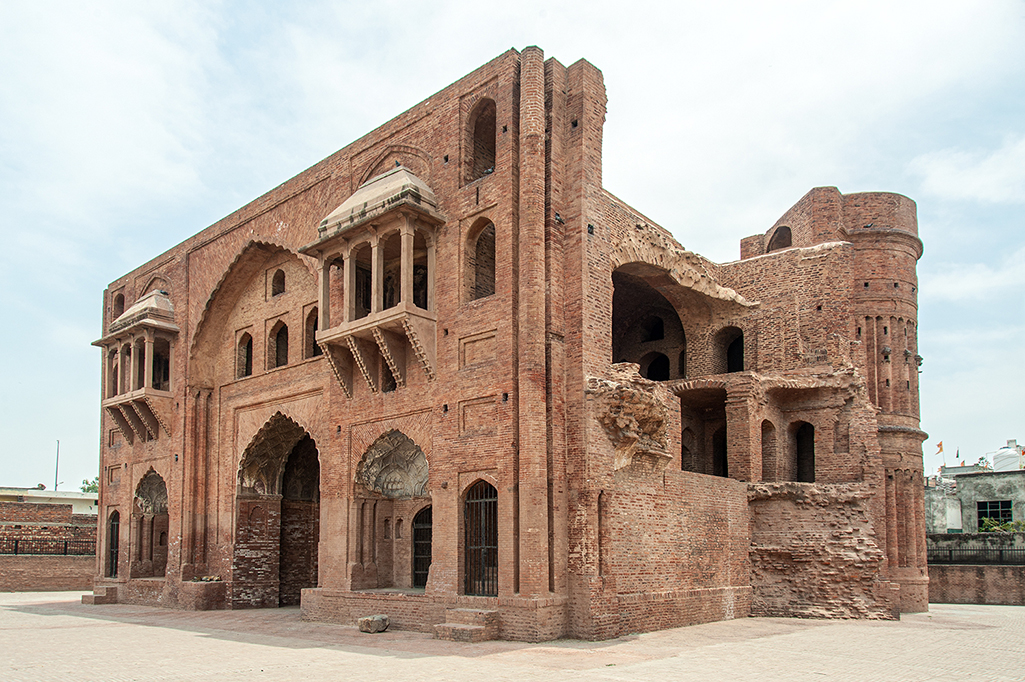
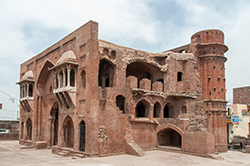
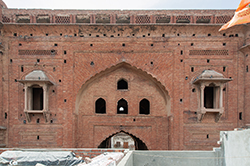
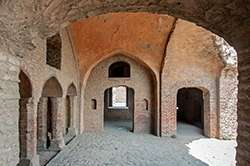
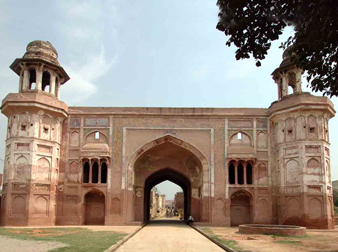
This Mughal-period caravansarai or rest house
located east of National Highway 44 in the centre of Gharaunda, Karnal, Haryana
was built during the reign of Emperor Shah Jahan around 1048 AH/1638 CE, the
Sarai is attributed to Feroz Khan, as recorded by the traveller Peter Munday.
Constructed of lakhori bricks, rubble masonry, and lime mortar, the complex
originally comprised a large enclosure, of which only the monumental northern
and southern gateways now survive. The southern gateway has a large arched recess,
projecting balcony supported on corbel brackets, and double-storeyed corner
bastions that were once crowned with domes. The Sarai had already fallen into
ruin by the early nineteenth century and was further dismantled after the
Revolt of 1857 and its bricks reused for railway construction between 1880 and
1890 CE. The monument was notified as a protected structure on December 1,
1914, and is presently protected by the Archaeological Survey of India
(Chandigarh Circle). The surviving gateways are well maintained.
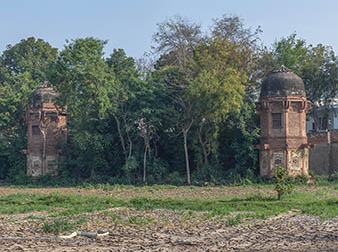
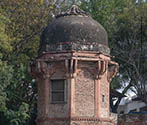
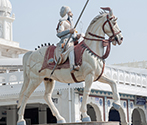
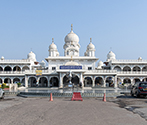
The Guru ka Taal is a Mughal-period water tank
located north of the Grand Trunk Road in Sikandra, Agra district of Uttar
Pradesh, near the Gurudwara Guru-ka-Taal. It was probably constructed in 1610
CE by Itibar Khan. The tank was later associated with Sikh tradition and given
its present name. Built of lakhori bricks, red sandstone, and lime mortar, it
was once a large, well-planned reservoir with ghats and chhatris on all sides.
The site is currently unprotected, and only fragments survive today, with most
of the tank filled in or reused for agriculture and modern development.
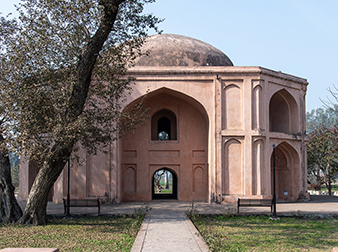
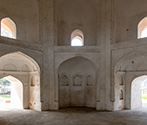
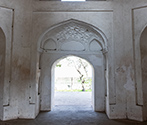
The Hadira (Hazira) Tomb is a Mughal-period
funerary monument located on the banks of the River Bein at Sultanpur Lodhi in
Kapurthala district of Punjab. Constructed between 1590-1625 CE, the tomb is an
octagonal, double-storied structure crowned with a hemispherical dome and
approached through pointed arched openings. Built of lakhori bricks with red
sandstone and lime plaster, it preserves traces of decorative plasterwork and
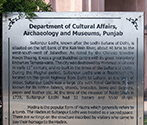
paintings. The monument is protected by the Department of Cultural Affairs,
Archaeology and Museums, Punjab.
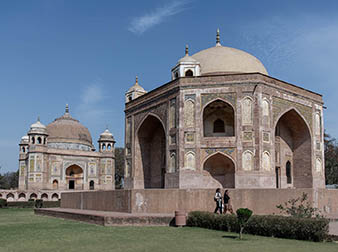
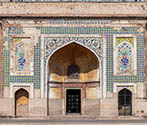
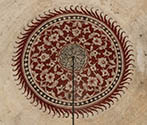
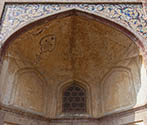
Located in Nakodar (Amardas Colony) in
Jalandhar district of Punjab, this funerary complex comprises two Mughal-period
tombs traditionally known as the tombs of Ustad and Shagird (Teacher and
Disciple). The tomb of Muhammad Momin al-Husayni dates to 1021 AH (1612–13 CE),
while the tomb of his disciple Haji Jamal was constructed in 1057 AH (1656–57
CE). Distinguished by octagonal and square plans respectively, both tombs
display refined glazed-tile decoration and Quranic inscriptions. The monuments
stand opposite each other within the remains of a former garden setting and are
under the protection of Archaeological Survey of India (Chandigarh Circle).
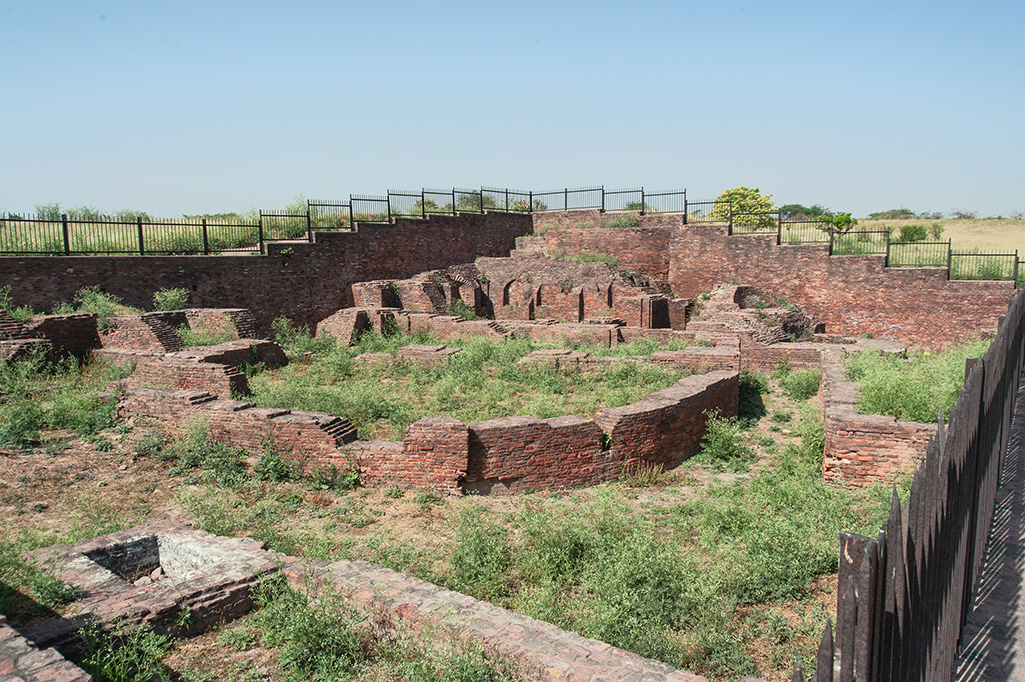
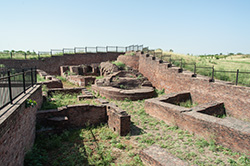
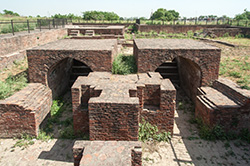
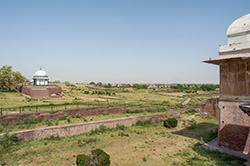
Harsh ka Tila is an extensive archaeological
mound located near the Sheikh Chilli complex in Thanesar in Kurukshetra
district of Haryana. Identified with ancient Sthanesvara, the site has yielded
structural remains and artefacts from successive historical periods through
systematic excavations. Objects recovered from Harsh ka Tila and nearby
Bhagwanpura are displayed in the site museums within the Sheikh Chilli complex.
The site is protected by the Archaeological Survey of India (Chandigarh
Circle).
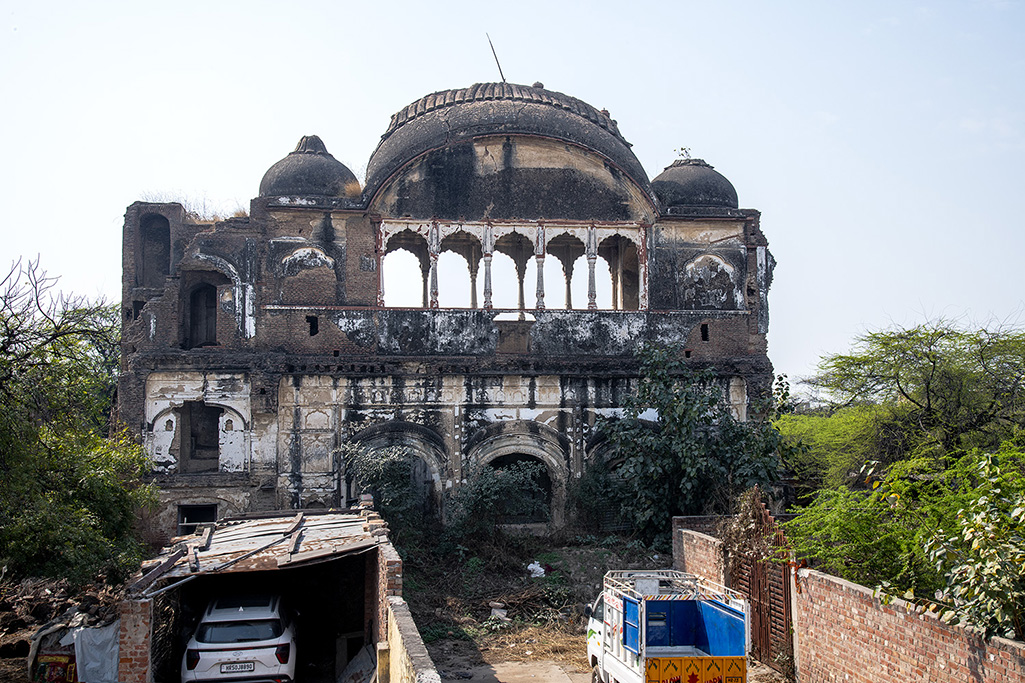
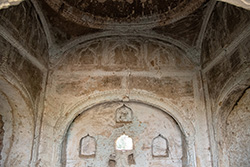
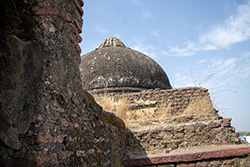
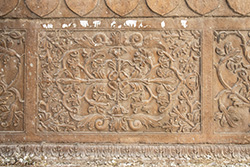
The Old Kacheri (also known as the Haveli of
Chaudhary Kashi Ram) is a late Mughal-period courthouse complex located at
Andooa Patti, Hodal, in Palwal district, Haryana. Tentatively dated to around
1750 CE and attributed to Chaudhary Kashi Ram Sorot, the structure appears to
have functioned as an izlaas khas (courtroom) or local judicial hall.
Constructed of lakhori bricks, sandstone, and lime mortar, the complex features
a prominent double-storeyed gateway on its northeast facade, reflecting
elements of late Mughal domestic and administrative architecture.