

 CENTER FOR ART AND ARCHAEOLOGY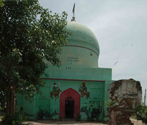
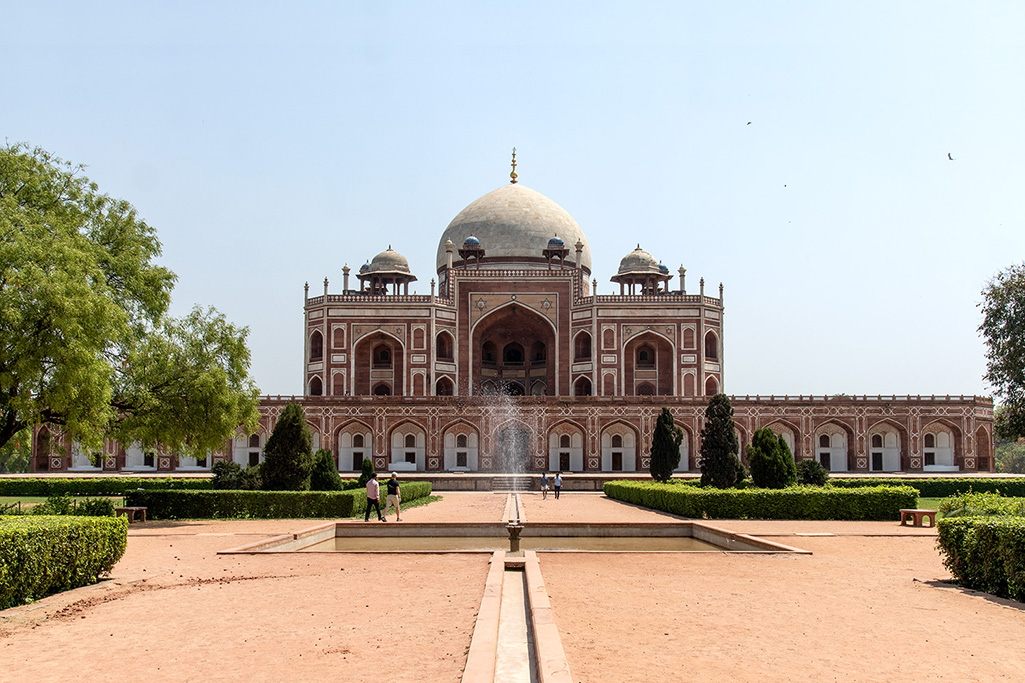
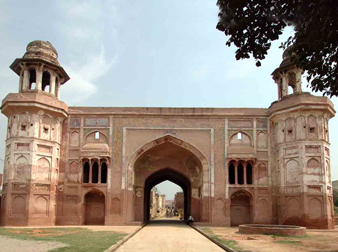
Humayun’s Tomb at Nizamuddin East, South-East Delhi, is a
Mughal-period imperial mausoleum commissioned by Biga Begam (Haji Begum), the
widow of Emperor Humayun, with construction beginning in 1565 CE under the
patronage of Emperor Akbar and designed by the architect Mirak Mirza Ghiyath.
Built of local quartzite, red sandstone, marble, lime mortar, and plaster, the
monument is protected by the Archaeological Survey of India (Delhi Circle) and
is a UNESCO World Heritage Site.
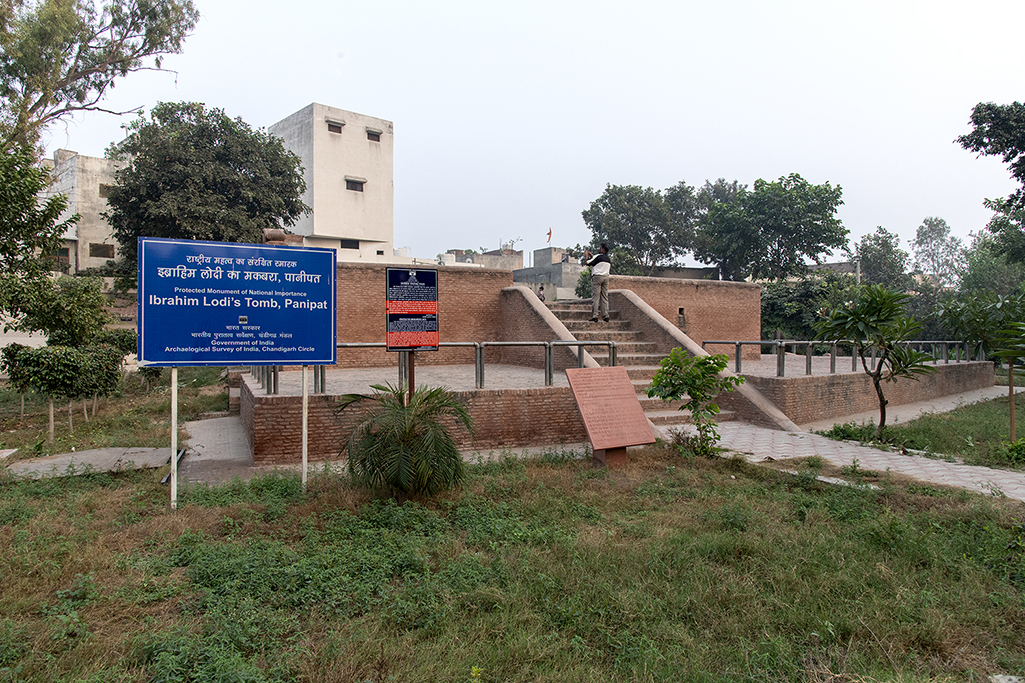
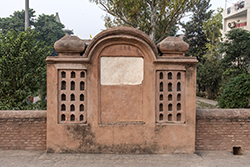
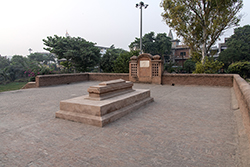
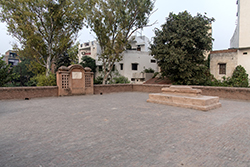
The Tomb of Sultan Ibrahim Lodhi at Devi Mandir, Panipat district,
Haryana, dates to 1526 CE and belongs to the Lodhi period. Constructed of
lakhori brick with lime mortar and marble, the monument is protected and
maintained by the Archaeological Survey of India (Chandigarh Circle).
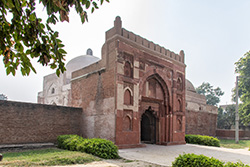
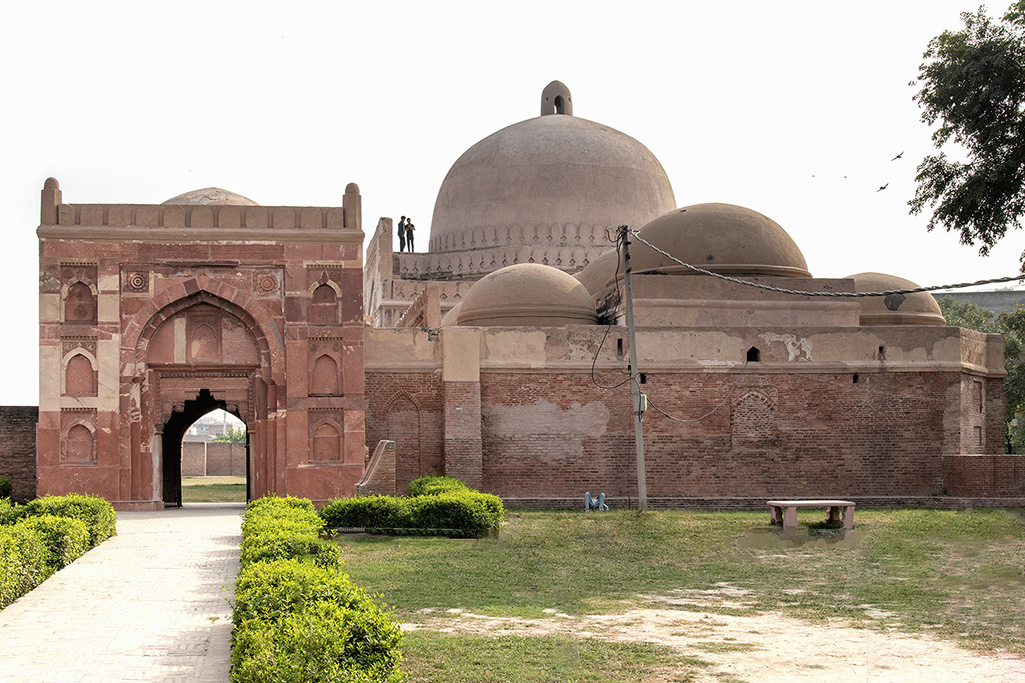
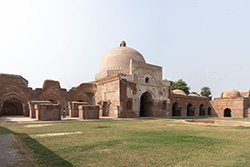
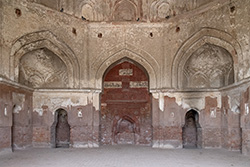
The Kabuli Bagh Mosque at Ansar Road, Panipat
district, Haryana, is a Mughal-period monument constructed between 1527–1528 CE
under Emperor Babur. Built of lakhori brick with lime mortar and red sandstone,
the monument is protected and maintained by the Archaeological Survey of India
(Chandigarh Circle).
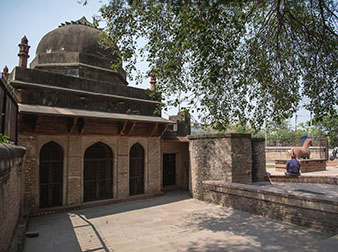
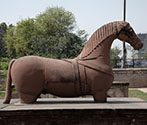
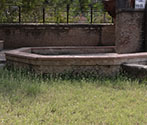
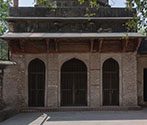
The Kafur’s Mosque and Stone Horse is an early
Mughal-period religious complex located south of the Delhi–Mathura highway in
the transport colony area of Sikandra, Agra district of Uttar Pradesh. Built
between 1605-1613 CE by Itibari Khan, a noble under Emperor Jahangir, the
mosque was constructed in honour of the Sufi saint Khwaja Kafur, as recorded in
a Persian inscription on its eastern facade. Constructed of lakhori bricks, red
sandstone, rubble masonry, and lime mortar, the three-arched, domed mosque is
accompanied by the tomb of Khwaja Kafur and a stone horse representing his pet.
The monument is protected and restored by the Archaeological Survey of India
(Agra Circle).
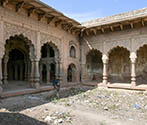
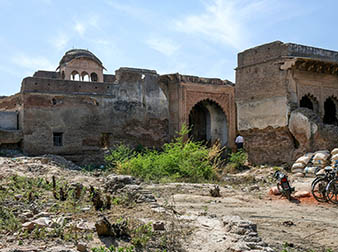
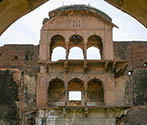
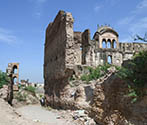
The King Sitaram Maharaj Fort, Kotwan is an
18th-century fortified complex located in the centre of Kotwan village, about
140 metres west of the Grand Trunk Road in Mathura district of Uttar Pradesh.
Built by Sardar Sitaram Singh Deede of the Deede (Dinda) Jat clan, the fort
once formed an important local stronghold between Kosi and Hodal. Constructed
of brick, sandstone, stucco, and lime mortar, only parts of the inner fort
survive today, including the main gateway and the kachehri (court hall). The
monument is protected by the Department of Archaeology Uttar Pradesh.
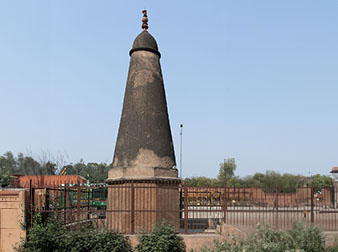
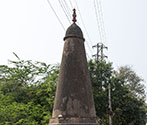
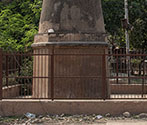
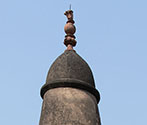
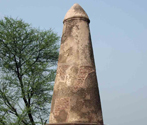
A Mughal-period distance marker located south
of the Grand Trunk Road near Kailash Mod, Sikandra (Maharshipuram Colony) in
Agra district of Uttar Pradesh, with Akbar’s Tomb situated to its east.
Probably constructed in the 17th century CE, the octagonal structure is built
of lakhori bricks with lime mortar and plaster and stands on a low square
platform. Notably, it is crowned with a red sandstone amalaka-shaped finial. The
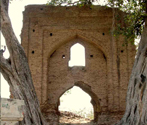
monument is protected by the Archaeological Survey of India (Agra Circle). A
domed rectangular tomb of uncertain date and patronage stands immediately west
of the kos minar, built of lakhori bricks with lime mortar and plaster, with
arched niches on its eastern facade.